2026-09-18 · 3 min read · Minnesota
What Credit Score Do I Need to Buy a Home in Minnesota?
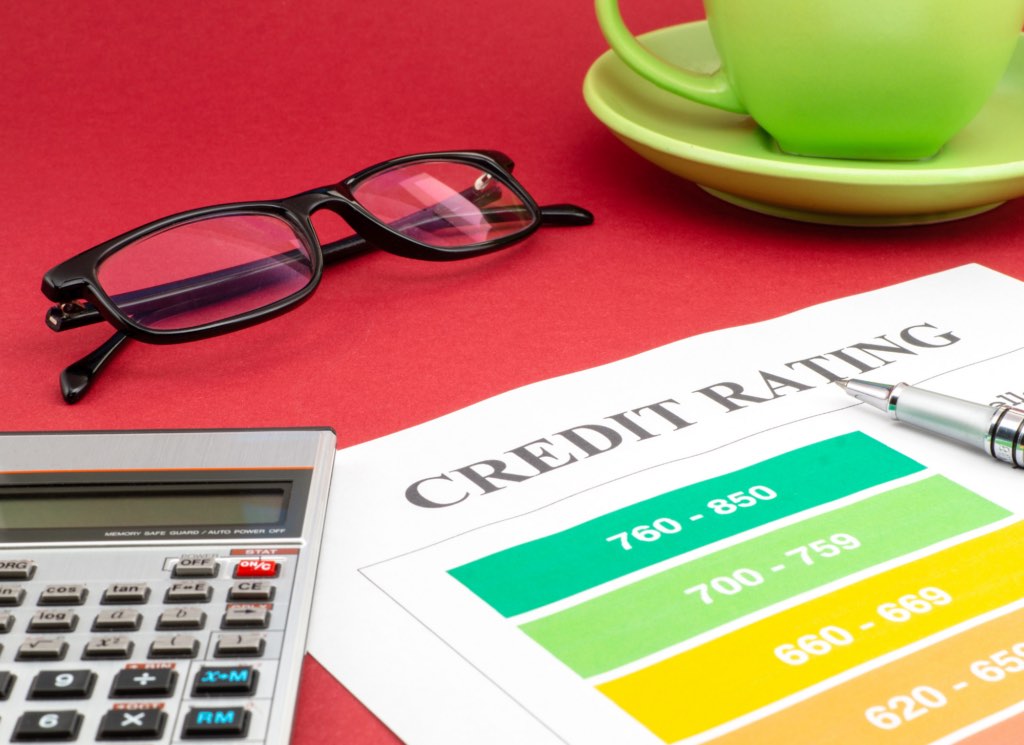
There is no single credit score that every buyer in Minnesota needs. The number depends on the loan program you use, and each lender sets its own guidelines within that program. The score that gets you approved is also not always the score that gets you the best rate, so it helps to understand both.
Why there is no single number
Conventional loans, government-backed loans such as FHA and VA, and other programs each carry their own minimum credit score. Those minimums are set by the agencies or investors behind each program.
Lenders then add their own guidelines. Two lenders offering the same type of loan can set slightly different minimums, and a score that qualifies you for one kind of financing may not qualify you for another.
These requirements are updated from time to time. The most reliable way to learn your number is to ask a lender which program you are being considered for and what that program's current minimum is.
Qualifying and qualifying well
Meeting the minimum score gets you into a loan program. It does not always get you the most competitive interest rate.
Lenders typically price loans in tiers. Higher scores within the approved range tend to earn better rates and lower costs. Two buyers who qualify for the same loan can end up with different monthly payments because of where their scores fall.
What lenders look at besides your score
Your credit score is one part of a larger picture. Lenders also review several other things.
- Your debt compared with your income.
- Your employment and income history.
- The cash you have for a down payment and reserves.
- The overall pattern of how you have managed credit over time.
A slightly lower score paired with strong income and low debt can sometimes still lead to an approval. That is why we encourage buyers to talk with a lender before deciding that a number rules them out.
How a credit score is built
Credit scores come from a handful of factors.
- Your payment history.
- How much of your available credit you are using.
- The length of your credit history.
- The mix of account types you have.
- Recent credit inquiries.
Payment history and credit use carry the most weight. Paying on time and keeping balances low compared with your limits tend to help the most.
What to do if your score is lower than you would like
A lower score does not automatically take buying off the table. Some loan programs are built for lower scores. They often come with other requirements, such as a somewhat higher down payment or mortgage insurance.
Talking with a lender early, well before you plan to make an offer, gives you time to see where you stand and what your options are.
Steps to take before you apply
- Pull your own credit report before you talk with a lender, so nothing in it surprises you.
- Look for errors, outdated information, and accounts that do not belong to you, and dispute anything inaccurate.
- Avoid opening new credit accounts in the months before you apply.
- Avoid large purchases on your existing credit during that time, because both can affect your score when you need it steady.
We are not lenders. Please confirm score requirements and loan terms with your lender, since they are the ones who can review your full file.
Common questions
Is there a credit score that guarantees I will be approved? No. Lenders weigh your income, debt, and down payment together with your credit. A lender can tell you where you stand for a specific loan program.
Does checking my own credit report hurt my score? No. Checking your own credit is a soft inquiry and does not affect your score. It is different from a lender pulling your credit for an application.
Can I buy a home in Minnesota with little or no credit history? It is harder, but it is not automatically impossible. Some loan programs allow other ways to show that you manage credit well, and a lender can explain what that would look like for you.
How far ahead should I check my credit? As early as you can, ideally several months before you plan to apply. That gives you time to correct errors or make improvements.
If you're wondering where your credit stands and what it means for the loan programs open to you, let's talk before you start touring homes. You can send us a message and we will point you toward a lender who can give you real numbers, or read how the buying process works first.