2026-07-10 · 4 min read · Minnesota
What Documents Should I Keep After Selling My Home in Minnesota?
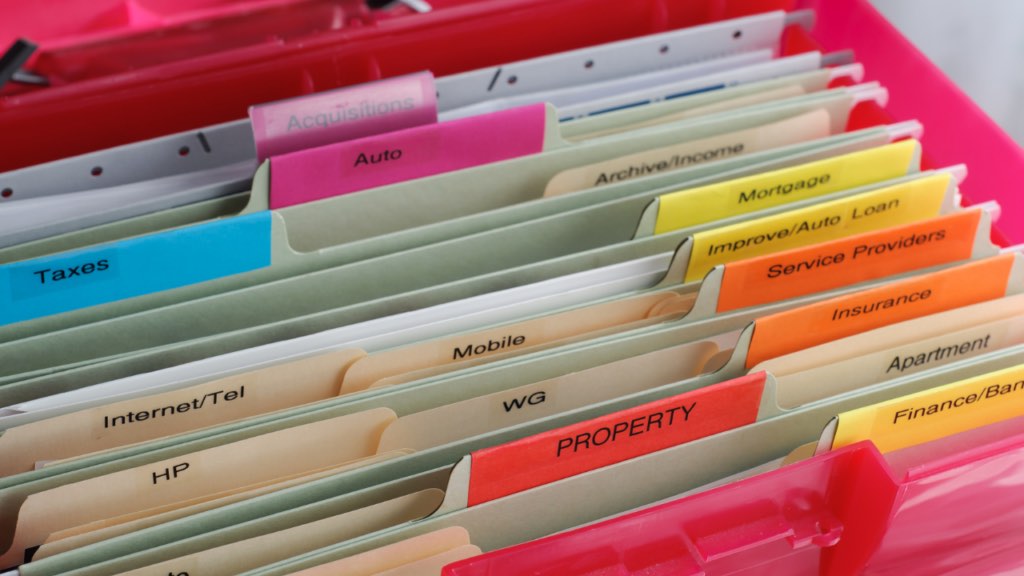
What documents should you keep after selling your home in Minnesota? Keep the final settlement statement, your copy of the deed, the purchase agreement and its addenda, any Form 1099-S, your mortgage payoff confirmation, and the records from when you bought the home, including receipts for improvements. The IRS says that, in general, you should keep the records that document your home's basis until 3 years after the due date of your tax return for the year you sold.
Which documents from my sale should I keep?
You sign a stack of papers at closing, but a handful carry most of the weight later. Keep these from the sale:
- The final settlement statement. It shows the sale price, your payoff, the commission, prorated taxes, title fees and your net proceeds. Your tax preparer will ask for it first.
- The purchase agreement and every addendum. These show the terms you agreed to, including any repairs, credits and the closing date.
- Form 1099-S, if you receive one. IRS Topic 701, Sale of your home says you must report the sale if you receive this form, even if the gain is excludable.
- Your mortgage payoff confirmation. It shows the loan was paid in full. Keep any later letter from your lender about your escrow account balance as well.
- Your copy of the deed and the seller documents you signed. These record the transfer and the statements you made about the property.
- Disclosures and inspection responses. If a question about the home's condition comes up later, these show what you disclosed and what you agreed to fix.
Our article on what happens on closing day for sellers explains what each closing document does.
Which documents from when I bought the home matter now?
The records from your purchase are just as important as the ones from your sale, because they set your starting point for tax purposes. IRS Publication 523, Selling Your Home explains that your basis starts with what you paid and includes settlement fees or closing costs you paid when you bought, except financing-related costs.
Keep these from the purchase and the years you owned the home:
- The settlement statement from when you bought the home
- Receipts, invoices and permits for improvements, such as an added bathroom, a new roof, new siding, a furnace, central air, a water heater or new flooring, which Publication 523 lists as examples
- Records of special assessments for local improvements
- Records of any period you rented the home out or used part of it for business
Publication 523 says routine repairs and maintenance do not add to basis unless they were part of a larger remodeling project. A receipt for a new roof matters. A receipt for a service call usually does not.
How long should I keep my home sale records?
IRS Publication 523, Selling Your Home says that any time you buy real estate, you should keep records that document the property's adjusted basis. In general, it says to keep them until 3 years after the due date for your tax return for the year in which you sold the home.
Many sellers keep the settlement statements and deed longer than that, because they are short and easy to store. A tax professional can tell you whether your situation calls for keeping anything longer.
How should I store everything?
A simple system works.
- Scan every document into one folder named with the property address and the sale year.
- Keep the paper originals in one labeled envelope or box.
- Store the digital copy and the paper copy in two different places.
- Write a one-page summary with the purchase date and price, the sale date and price, and a list of improvements with their costs.
Do this in the week after closing. The papers are all in one place then, and you will not have to search through moving boxes in February.
What if I lost a document?
Most closing documents can be replaced. Start with the title or closing company that handled your sale, which keeps a file for each transaction. Your deed is recorded with the county, and the county recorder's office can explain how to get a copy.
For improvements, check your email, your bank and credit card statements, and your city's permit records. Contractors often keep invoices too. Ask your tax professional what other proof works when an original receipt is gone.
Frequently asked questions
What is the most important document to keep after selling a house?
The final settlement statement is usually the first document a tax preparer asks for. It shows the sale price, the costs of the sale and your net proceeds.
Do I need my old purchase documents if I already sold the home?
Yes, because they help set your basis. The IRS includes the purchase price and certain closing costs from your purchase in the basis calculation.
Can I throw away my receipts for home improvements?
Keep them until your tax professional confirms you no longer need them. The IRS generally recommends keeping basis records until 3 years after the due date of the return for the year of sale.
Who can give me a copy of my settlement statement?
The title or closing company that handled your sale can usually send a copy. Your agent may also have one in the transaction file.
Selling soon? Send us a message or call (651) 661-4770, and we'll make sure you leave closing with a complete set of papers. You can also read our guide on preparing for taxes after selling. What questions do you have?