2026-05-15 · 6 min read · Minnesota
What Is It Like Living in Residential Neighborhoods in Minnesota? (2026 Minnesota Lifestyle Guide)
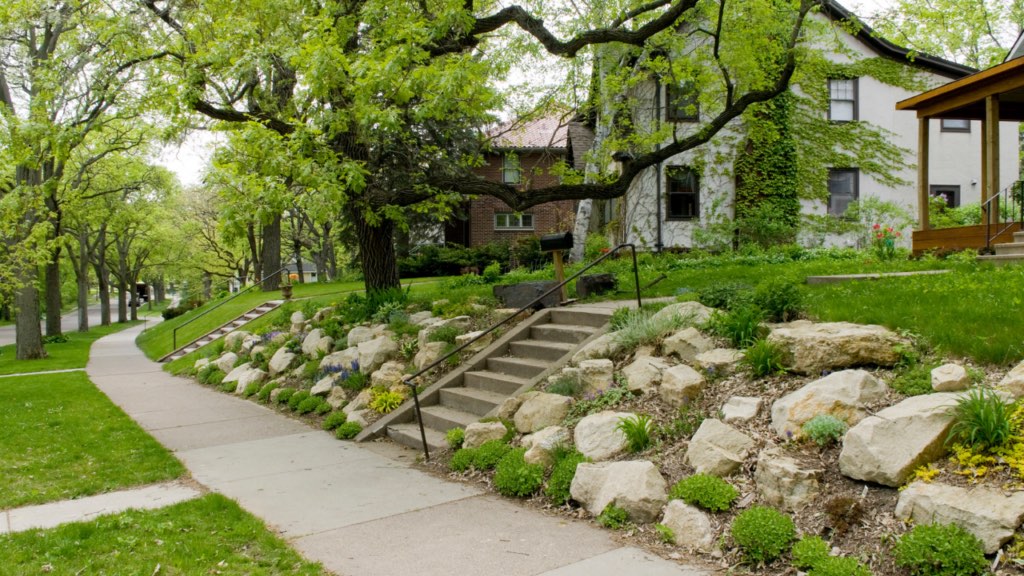
If you’re thinking about moving to Minnesota, there’s a good chance you’ve said something like:
“I really just want a residential neighborhood.”
And honestly?
A LOT of people relocating to Minnesota feel exactly the same way.
Especially people who are:
Moving from busier metro areas
Starting households
Working remotely
Downsizing
Looking for less stress in daily life
Wanting more peace and space
Because residential neighborhoods create:
A very different lifestyle experience.
And honestly?
Many buyers don’t fully realize how much:
Neighborhood atmosphere affects everyday happiness.
You might be wondering:
• What actually makes a neighborhood feel quiet?
• Are residential neighborhoods boring?
• Is quiet living better for Home Buyers?
• Do residential areas hold value well?
• What’s daily life actually like?
• Are quieter suburbs farther from everything?
• Which Minnesota areas are known for calm residential living?
These are smart questions.
Because moving isn’t just about:
The home itself.
It’s about:
How your life FEELS after you move in.
The good news is:
Minnesota has MANY residential neighborhoods that still offer:
Convenience
Community
Parks
Schools
Outdoor access
Strong quality of life
But understanding what “residential neighborhood living” actually feels like can help you decide:
Whether it fits YOUR personality and lifestyle.
The Short Answer
Living in residential neighborhoods in Minnesota often feels calmer, slower-paced, more residential, and less stressful day-to-day.
Residential neighborhoods often attract:
Households
Remote workers
Long-term homeowners
Retirees
Buyers prioritizing peace and privacy
Residents wanting lower daily stimulation
These areas often offer:
Less traffic
More residential streets
Reduced noise
Strong community feel
More outdoor space
Better separation from commercial activity
But honestly?
The “best” residential neighborhood depends heavily on:
Your lifestyle and personality.
Why People Prioritize Residential Neighborhoods
This has become MUCH more common in recent years.
A lot of buyers today feel:
Overstimulated
Busy
Burned out
Constantly connected
So many people moving to Minnesota specifically search for:
More peaceful daily living.
Especially buyers relocating from:
Large cities
Dense metro areas
High-traffic environments
Residential neighborhoods create:
A very different emotional atmosphere.
What Makes a Neighborhood Feel Quiet?
This is important.
Because “quiet” means more than:
Just low noise.
Residential neighborhoods often include:
Less traffic
Fewer commercial businesses nearby
More residential streets
More green space
Larger lots in some areas
Less nightlife and entertainment activity
The overall environment tends to feel:
Slower and calmer.
Residential Neighborhoods Often Feel More Residential
Many quiet Minnesota neighborhoods prioritize:
Homes
Parks
Schools
Trails
Community spaces
Instead of:
Dense entertainment areas
Commercial corridors
Heavy nightlife activity
That creates:
A more relaxed day-to-day environment.
Especially during:
Evenings
Weekends
Early mornings
Minnesota Suburbs Often Offer Quiet Living
This is one reason many people move to the suburbs.
Communities like:
Lakeville
Chanhassen
Eden Prairie
Maple Grove
Plymouth
Woodbury
Eagan
Often attract buyers wanting:
More peaceful residential living.
Especially households and long-term homeowners.
Quiet Doesn’t Mean Isolated
This surprises many relocation buyers.
A residential neighborhood does NOT automatically mean:
❌ Rural
❌ Far away
❌ Inconvenient
Many Minnesota neighborhoods offer:
Calm residential atmosphere
Parks and trails
Schools nearby
Shopping access
Good commuting options
While still feeling:
Peaceful and residential.
Daily Life Feels Different in Residential Neighborhoods
This is one of the biggest lifestyle differences.
Residents often describe residential neighborhoods as:
Less stressful
More predictable
Easier to relax in
Better for outdoor activities
More comfortable for households and pets
The environment often encourages:
Walking
Outdoor time
Neighborhood interaction
Slower routines
Many people feel:
Their overall quality of life improves.
Residential Neighborhoods Often Feel Safer Emotionally
This is psychological.
Even beyond actual crime statistics…
People often FEEL:
More relaxed
More comfortable
Less overwhelmed
In calmer environments.
Especially in neighborhoods with:
Sidewalks
Trees
Parks
Lower traffic
Family activity
That atmosphere strongly affects:
Emotional comfort.
Remote Workers Often Prioritize Residential Areas
This has become MUCH more common.
People working from home often value:
Reduced noise
Less traffic
More privacy
Better home environments
Outdoor space nearby
A calm neighborhood may dramatically improve:
Work-life balance.
Especially compared to:
Busy downtown living.
Residential Areas Often Have Strong Community Feel
This matters more than many buyers expect.
In many quiet Minnesota neighborhoods:
Neighbors know each other
Households stay long-term
Community events feel stronger
Outdoor interaction happens naturally
That creates:
Strong neighborhood identity.
Especially in:
Community-oriented suburbs
Park-centered neighborhoods
Residential communities
What About Entertainment and Walkability?
This depends heavily on:
Exact neighborhood
City design
Suburb layout
Some residential neighborhoods still offer:
Parks
Trails
Small business districts
Coffee shops nearby
Others may require:
More driving.
This becomes an important lifestyle consideration.
Residential Neighborhoods Often Prioritize Outdoor Lifestyle
Many quiet Minnesota areas include:
Parks
Trails
Lakes
Green space
Walking paths
Outdoor access often becomes:
A major part of daily life.
Especially during:
Spring
Summer
Fall
Minnesota’s outdoor culture strongly supports:
Quiet residential living.
What About Home Values?
Residential neighborhoods often remain:
Highly desirable long-term.
Especially neighborhoods with:
Schools
Parks
Trails
Family appeal
Stable residential atmosphere
Buyers consistently value:
Peacefulness
Space
Quality-of-life environments
That can help support:
Long-term demand and resale interest.
Are Residential Neighborhoods “Boring”?
Honestly?
That depends entirely on personality.
Some people LOVE:
Calmness
Space
Predictability
Slower pace
Others eventually realize:
They miss city energy and activity.
There’s no universal “best.”
Only:
Better lifestyle fit.
Quiet Living Feels Different Than Urban Living
This is one of the biggest contrasts.
Urban neighborhoods often feel:
Faster-paced
More social
More active
Entertainment-focused
Residential neighborhoods often feel:
Residential
Relaxed
Slower
Community-oriented
Both lifestyles can be amazing…
For the RIGHT person.
Which Buyers Usually Prefer Residential Neighborhoods?
Residential neighborhoods often attract:
Households
Remote workers
Retirees
Long-term homeowners
Buyers prioritizing peace and privacy
Especially:
People wanting lower daily stress.
Which Buyers May Prefer Busier Areas Instead?
Some buyers prefer:
Walkable nightlife
Restaurants nearby
Entertainment districts
City energy
Faster-paced environments
Especially:
Young professionals
Highly social residents
Urban lifestyle seekers
Again:
Neither lifestyle is universally better.
Real Situation I See Often
Someone relocates to Minnesota initially focused on:
Being close to “everything.”
But after living in a busier environment…
They realize:
They value peace and calm MUCH more than expected.
Other people move to very residential areas…
Then realize:
They miss social energy and walkability.
That’s why:
Lifestyle fit matters tremendously.
Common Mistakes Buyers Make
❌ Choosing based only on home size
❌ Ignoring daily stress levels
❌ Assuming quiet means inconvenient
❌ Not visiting neighborhoods at different times
❌ Choosing trends instead of personality fit
These mistakes may lead to:
Choosing a lifestyle that doesn’t actually fit daily happiness well.
What Smart Buyers Do Instead
Successful buyers usually focus on:
Daily routine
Personality fit
Stress levels
Noise tolerance
Community atmosphere
Long-term lifestyle goals
Because neighborhood fit affects:
Everyday life dramatically.
A Simple Way to Think About Residential Neighborhood Living
Residential neighborhoods in Minnesota often feel:
Peaceful
Residential
Relaxed
Community-oriented
Community-centered
The best fit depends on:
Whether that lifestyle matches your personality and priorities.
FAQ: Residential Neighborhoods in Minnesota
Are residential neighborhoods better for Home Buyers?
Many households prefer them because of lower traffic, parks, and residential atmosphere.
Do residential neighborhoods hold value well?
Often yes, especially in popular suburban communities.
Are residential neighborhoods far from everything?
Not necessarily. Many still offer convenient access to shopping, parks, and highways.
Is quiet living less stressful?
For many people, yes. Environment strongly affects daily emotional comfort.
Should I visit neighborhoods at different times?
Absolutely. Daytime and evening atmosphere can feel very different.
Final Thoughts
Living in residential neighborhoods in Minnesota creates:
A very specific lifestyle experience.
These areas often feel:
Peaceful
Relaxed
Residential
Community-oriented
And honestly?
Many buyers eventually realize:
Daily atmosphere affects happiness more than expected.
Because where you live impacts:
How your life FEELS every single day.
Next Step
If you’re thinking about moving to Minnesota and want help understanding neighborhoods, suburban communities, and lifestyle differences throughout the Twin Cities:
https://dreamhomesminnesota.com/
Lesley The Realtor is a Minnesota real estate agent helping buyers, sellers, and relocation clients understand Minnesota neighborhoods, suburban communities, and lifestyle differences throughout Minnesota.