2026-10-02 · 5 min read · Minnesota
What Types of Mortgages Are Available to Minnesota Buyers?
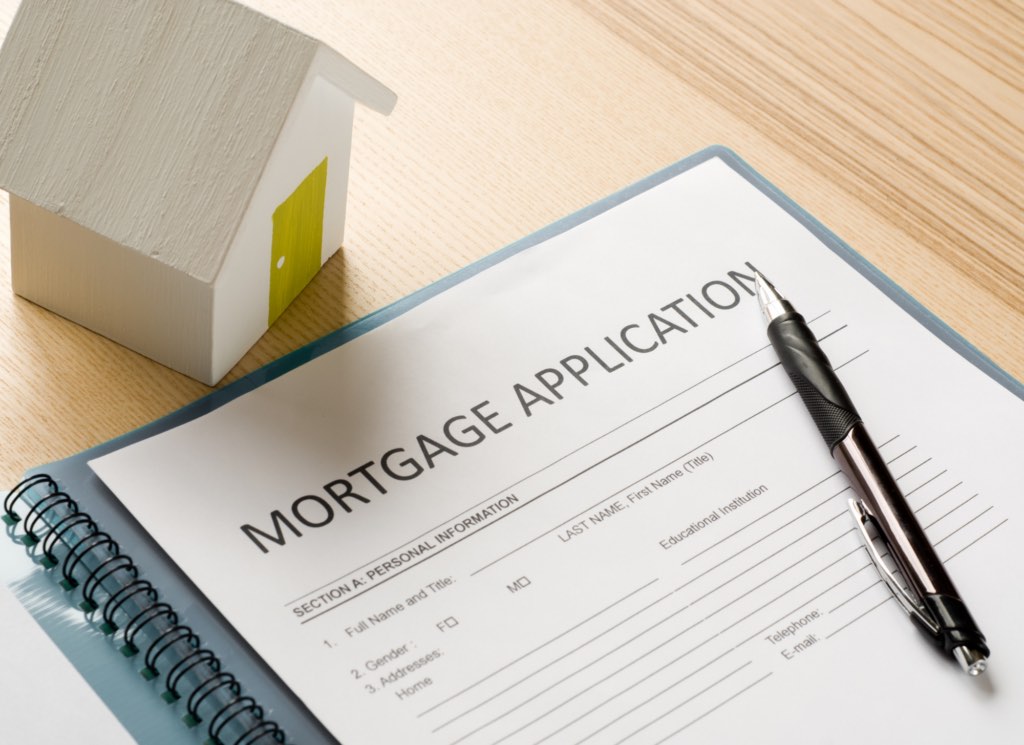
Walk into a conversation with a lender for the first time and the list of loan types can feel like alphabet soup, conventional, FHA, VA, USDA, and more, so let’s slow down and go through what each one actually is before you have to make a decision.
Quick Answer: Minnesota buyers generally have access to several main categories of mortgages: conventional loans, FHA loans, VA loans for eligible veterans and service members, USDA loans for eligible rural and suburban properties, and jumbo loans for higher loan amounts above conventional limits. Each one has different qualifying requirements, down payment expectations, and costs, so the right one depends on your financial picture and the property you are buying.
Conventional Loans, the Most Common Starting Point
A conventional loan is a mortgage that is not insured or guaranteed by a government agency. It is the most commonly used loan type for Minnesota buyers with solid credit and a down payment saved, and it can come with flexible terms, though exact down payment and credit requirements vary by lender and loan program. Conventional loans can work for primary homes, second homes, and investment properties, which makes them one of the most versatile categories available.
FHA Loans and Who They Tend to Help
FHA loans are insured by the Federal Housing Administration and are designed to make homeownership more accessible, particularly for buyers with lower credit scores or smaller down payments saved. Because the government insures part of the loan, lenders can offer more flexible qualifying guidelines than many conventional products. FHA loans do come with mortgage insurance requirements that differ from conventional loans, so it is worth understanding those costs before comparing an FHA option against a conventional one.
VA Loans for Veterans and Service Members
VA loans are available to eligible veterans, active duty service members, and certain surviving spouses, and they are guaranteed by the Department of Veterans Affairs. One of the most well known features of a VA loan is that it can allow eligible borrowers to purchase with no down payment, though other costs and eligibility requirements still apply. If you or your spouse has served, it is worth having a direct conversation with a lender who handles VA loans regularly, since the process has some specific steps that differ from conventional or FHA financing.
USDA Loans for Eligible Rural and Suburban Areas
USDA loans are backed by the United States Department of Agriculture and are designed for eligible properties in qualifying rural and some suburban areas, which in Minnesota can include more areas than people initially assume. These loans are aimed at buyers purchasing in eligible locations who meet certain income guidelines, and they can also offer no down payment options for qualified borrowers. Property eligibility is determined by location, so this is worth checking early if a USDA loan is something you want to explore.
Jumbo Loans for Higher Purchase Prices
A jumbo loan is used when the amount you need to borrow exceeds the conventional loan limit set for the area. These loans typically come with stricter qualifying requirements, including higher credit score expectations and larger down payments, because they are not eligible for the same government backing as conforming conventional loans. If you are shopping in a higher price range in the Twin Cities or elsewhere in Minnesota, this is worth discussing with your lender early so you understand what qualifying looks like.
How to Figure Out Which Category Fits You
The right loan type depends on a combination of factors: your credit profile, how much you have saved for a down payment, whether you or your spouse has military service history, the location of the property you want to buy, and the total purchase price. A good lender will walk through more than one option with you rather than placing you into a single loan type by default, so do not hesitate to ask what else you might qualify for.
Why the “Best” Loan Type Is Personal, Not Universal
Every one of these loan types exists because different buyers have different needs. A loan that is ideal for one buyer, like a VA loan for an eligible veteran, simply is not an option for someone without that service history, while an FHA loan that helps a buyer with a smaller down payment might not be the most cost-effective option for someone with a larger down payment and strong credit who qualifies more favorably for conventional financing. This is exactly why comparing your specific numbers across loan types, rather than assuming one is automatically best, matters so much.
Frequently Asked Questions
Can I get pre-approved for more than one loan type and compare the numbers?
Yes, and it is a smart approach. Ask your lender to show you how your specific numbers look across the loan types you qualify for so you can compare the actual payment and cost differences rather than guessing.
Do I have to be a first-time buyer to use any of these loan types?
No. Conventional, FHA, VA, and USDA loans are not exclusively for first-time buyers, though some down payment assistance programs that pair with these loans may have first-time buyer requirements. The loan types themselves are generally available to repeat buyers as well, as long as eligibility requirements are met.
Which of these loan types has the lowest down payment requirement?
VA and USDA loans can offer no down payment options for eligible borrowers, while FHA and conventional loans typically require some down payment, though the exact amount depends on the specific program and your qualifying profile. Ask your lender for current requirements on each option you are considering.
Can self-employed buyers use all of these loan types?
Self-employed buyers can qualify for conventional, FHA, VA, and USDA loans, but the income documentation process looks different than it does for a W-2 employee. Expect to provide more detailed tax documentation, and work with a lender who is experienced with self-employed borrowers.
Does my credit score limit which loan types I can use?
Credit score requirements vary by loan type and by lender, with FHA loans generally offering more flexibility for lower credit scores compared to conventional or jumbo loans. The best way to know where you stand is to talk with a lender directly about your specific credit profile.
Your Next Step
Figuring out which loan type actually fits your situation can feel overwhelming when you are looking at it from the outside, but it does not have to be something you sort through alone. Contact us and I can help connect you with the right questions to ask, and the right lenders to ask them to, so you walk into this process with confidence.