2026-04-17 · 4 min read · Minnesota
Why Is the Bank Asking Where My Money Came From? (Minnesota Homebuyer Guide 2026)
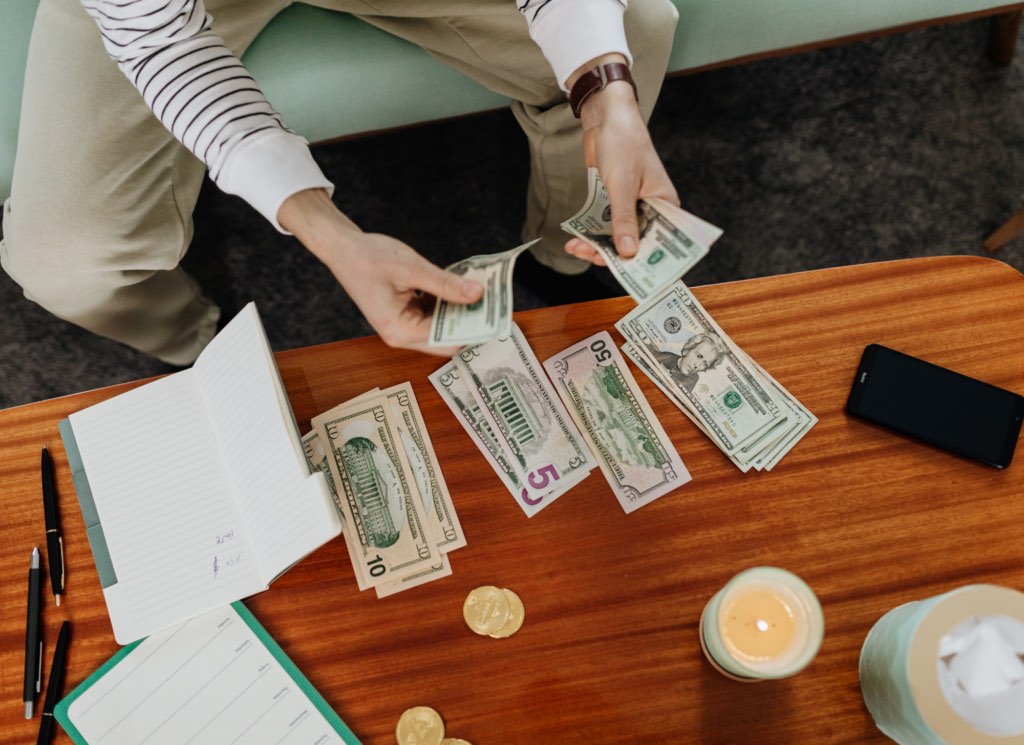
If you’re buying a home in Minnesota and talking to a lender, you may feel surprised, or even uncomfortable, when they ask:
“Where did this money come from?”
And your first reaction might be:
- “Why are they asking me this?”
- “It’s my money, why does it matter?”
- “Did I do something wrong?”
- “Is this going to affect my loan?”
The truth is:
This is completely normal.
And it happens to almost every buyer.
The Short Answer
The bank asks where your money came from because:
They are required to verify your funds before approving your loan
This process is called:
“Sourcing your funds”
It helps them confirm:
- The money is legitimate
- It’s not borrowed debt
- It meets lending guidelines
It’s NOT personal
It’s part of the process
Why This Feels Confusing (Especially for Immigrant Buyers)
In many cultures:
- Your savings are private
- Family support is normal
- Cash savings are common
So when a lender asks:
“Where did this money come from?”
It can feel:
- Invasive
- Unnecessary
- Stressful
But in the U.S. mortgage system:
This step is REQUIRED
It’s not about trust…
It’s about documentation
What “Sourcing Your Funds” Actually Means
When you apply for a mortgage:
The lender reviews your financial history
This includes:
- Bank statements
- Deposits
- Transfers
If they see money in your account:
They need to know:
How it got there
This is called:
“Sourcing”
And it applies to:
- Down payment
- Closing costs
- Large deposits
What the Bank Is REALLY Looking For
Let’s simplify this.
The lender is trying to answer 3 questions:
1. Is the Money Legitimate?
Was it earned, saved, or gifted properly?
2. Is It a Loan?
Do you have to pay it back?
If yes:
It affects your ability to qualify
3. Is It Traceable?
Can they verify where it came from?
If they can’t verify it:
They may not allow you to use it
Common Situations Where You’ll Be Asked
Large Deposits
Example:
- $5,000
- $10,000
- $15,000
The lender will ask:
“Where did this come from?”
Gift Money
From family or relatives
They’ll ask for:
- Gift letter
- Transfer records
Money from Overseas
Very common for immigrant buyers
Requires:
- Documentation
- Proof of transfer
Cash Deposits
One of the biggest red flags
Difficult to verify
A Real Situation I See All the Time
A buyer deposits $12,000 into their account.
The lender reviews their statements and asks:
“Where did this money come from?”
The buyer says:
“It’s my savings”
But there’s no record
No paper trail
The lender can’t verify it
The funds may not be usable
Result:
Delay or stress
Same situation, done correctly:
- Money already in bank
- Clear history
- Documented transfers
Result:
Smooth approval
What Happens If You Can’t Explain the Money
The lender may:
- Exclude the funds
- Delay your loan
- Ask for more documentation
In some cases:
It can impact your ability to close
That’s why:
Preparation matters
How to Make This Easy (What You Should Do)
1. Keep Your Money in the Bank
Avoid:
- Holding large amounts of cash
- Making last-minute deposits
Use:
Bank accounts for savings
2. Use Traceable Transfers
Always move money through:
- Bank wires
- Electronic transfers
This creates:
A paper trail
3. Be Honest and Upfront
If you receive money:
Tell your lender early
Don’t wait until they ask
Transparency = smoother process
4. Prepare Documentation
Be ready with:
- Bank statements
- Gift letters
- Transfer records
The more organized you are:
The easier it gets
5. Talk to a Lender BEFORE Moving Money
This is one of the smartest steps
A lender can guide you on:
- What’s acceptable
- What to avoid
- How to structure your funds
This prevents problems
What This Means for Immigrant Buyers
If you:
- Receive money from family abroad
- Use informal savings methods
- Save cash
You are NOT alone
Many buyers do this
The key difference is:
Adapting to U.S. lending rules
Which means:
Turning your funds into something that is:
Traceable and documented
Biggest Mistakes to Avoid
❌ Depositing large cash amounts
Creates red flags
❌ Not explaining deposits
Lenders will ask
❌ Trying to “fix it later”
It’s harder after the fact
❌ Assuming it won’t matter
It always matters
These mistakes can:
Delay or stop your purchase
The Good News
This process is:
Completely manageable
And once you understand it:
It becomes simple
Most buyers go through this
And with the right guidance:
It’s smooth
FAQ: Why the Bank Asks About Your Money
Why does the bank ask where my money came from?
To verify that your funds are legitimate and meet loan requirements.
Is this normal?
Yes, this happens to almost every buyer.
What is “sourcing funds”?
It means documenting where your money came from.
Will this delay my loan?
Not if you’re prepared and transparent.
What should I do before moving money?
Talk to your lender first.
Final Thoughts
When the bank asks where your money came from…
It’s not a problem
It’s part of the process
They’re not questioning you…
They’re following the rules
And once you understand that:
The process feels much easier
The key is simple:
Be prepared
Be transparent
Be organized
When you do that:
Everything moves forward smoothly
Next Step
If you want to buy a home in Minnesota and avoid delays with your finances, the next step is to get clear guidance from the start:
https://buy.dreamhomesminnesota.com/
This will help you:
- Understand what lenders need
- Prepare your funds correctly
- Move forward with confidence
Lesley The Realtor
Real Estate Agent in the Twin Cities & Surrounding Metro, Minnesota
Helping buyers navigate the process clearly, especially when it comes to money, documentation, and approval