2026-07-08 · 4 min read · Minnesota
Can I Buy a Duplex as My First Home in Minnesota? Step by Step
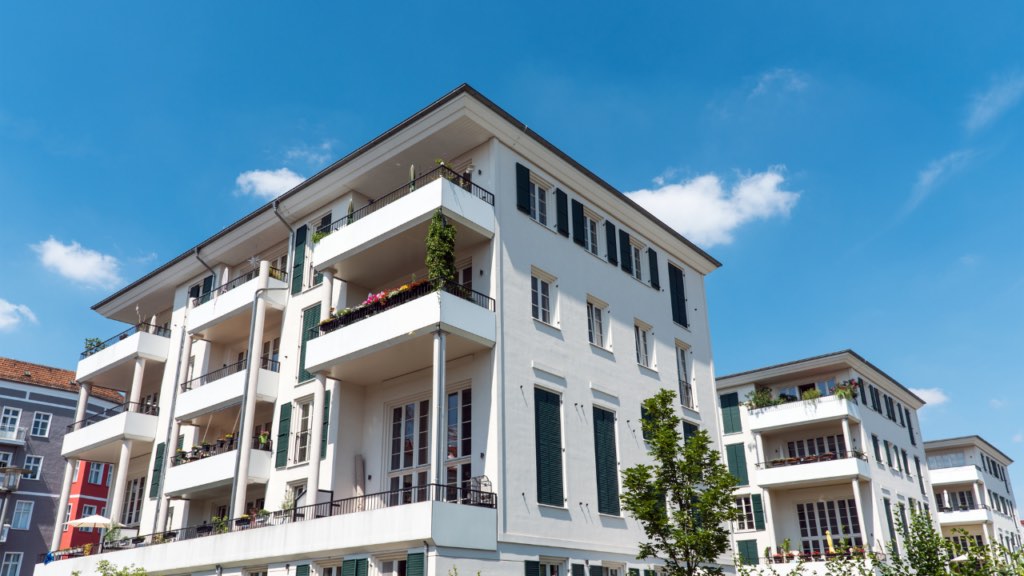
Can you buy a duplex or multi-family property as your first home in Minnesota? Yes, many first-time buyers can, as long as they plan to live in one of the units and qualify for the loan. The process looks like buying a single-family home with a few extra steps: a lender who knows two- to four-unit loans, a check of the city's rental rules, an inspection of every unit, and a review of any current leases.
This is the step-by-step version. For the bigger picture of living in one unit and renting the others, read our guide on house hacking in Minnesota.
Step 1: Which loan should I talk to a lender about?
Start with a lender before you tour. Ask specifically about two- to four-unit properties you will live in.
- FHA. The Consumer Financial Protection Bureau (CFPB) says FHA loan limits are higher for multi-unit homes, the building must have no more than four units, and you must buy the entire building.
- Conventional. Conventional loans can be used for a two- to four-unit principal residence, with their own down payment and reserve rules.
- Other programs. Some first-time buyer programs may apply. Our article on first-time homebuyer programs in Minnesota lists where to start.
Lenders and loan programs set the rules, and a lender confirms what you qualify for. Get a pre-approval that names the property type.
Step 2: How will my lender treat the rent?
Ask this early. The Fannie Mae Selling Guide says rental income generally cannot come from the unit you live in, and it sets conditions on using rent from the other units, including rules tied to your current housing payment and property management experience. Your lender applies those rules to your file.
Ask your lender to show you two versions of your budget: one with the expected rent counted under their rules, and one without it. If the payment only works with the rent counted, plan for months when a unit is empty, and keep savings set aside for that.
Step 3: What should I check with the city?
Before you write an offer, check the address with the city.
- Is the property legally set up as two or more units?
- Does the city require a rental license, and is one in place?
- Are there recent rental inspection reports or open orders?
- Are there pending assessments for streets, water or sewer?
A lower-level apartment that was never approved as a separate unit is a different property than a legal duplex, for both the city and the lender.
Step 4: What should I ask the seller for?
- Current leases, rent amounts, deposits and lease end dates.
- Utility setup: which utilities are separately metered and which the owner pays.
- Ages of each unit's furnace, water heater and appliances.
- Recent repair and maintenance records.
- Radon tests. The Minnesota Department of Health explains that sellers must disclose what they know about radon in writing before a purchase agreement is signed.
Existing leases usually stay in place after a sale, so read them before you plan your move-in date. Your attorney or closing team can explain how leases transfer.
Step 5: How do I inspect a duplex?
Inspect every unit, not just the one you plan to live in. Shared parts such as the roof, foundation, sewer line and electrical service matter for the whole building. Our article on the Minnesota home inspection process covers what a standard inspection includes, and your inspector can suggest added checks for an older building.
If the building was built before 1978, the EPA says sellers and landlords must share known lead-based paint information before a contract or lease is signed, in most housing from that period.
Step 6: What do I set up before closing?
- Insurance. Get a policy written for an owner-occupied rental property.
- Rent collection. Decide how renters will pay you and get the security deposit records from the seller.
- Repairs plan. Line up a plumber, electrician and heating company before you need them.
- Lead repair rules. The EPA says its repair rule applies when you rent all or part of a pre-1978 home, so hire certified firms for paid work that disturbs paint.
- Taxes. Ask a tax professional how rental income and expenses work for you.
Step 7: What happens after I move in?
Introduce yourself to your renters, give them your contact information and confirm how rent is paid. Apply for homestead on your unit with your county assessor; the Minnesota Department of Revenue says to apply by December 31 for taxes payable the next year, and your assessor explains how a building with rental units is classified. Keep a separate account and records for the rental side from day one.
Frequently asked questions
Can a first-time buyer get a loan on a duplex?
Many can, if they will live in one unit. A lender confirms eligibility for your situation.
Does FHA allow a fourplex?
The CFPB says an FHA-eligible building must have no more than four units, and you must buy the whole building.
Do current renters have to leave when I buy?
Existing leases usually stay in place. Read every lease and ask your attorney or closing team how they transfer.
Should every unit be inspected?
Yes. Shared systems affect the whole building, and each unit has its own equipment.
If you want to start looking at duplexes, send us a message or call (651) 661-4770. Our first-time buyer page has more on getting ready.