2026-07-10 · 4 min read · Minnesota
How Do I Build Equity in My Home Faster in Minnesota?
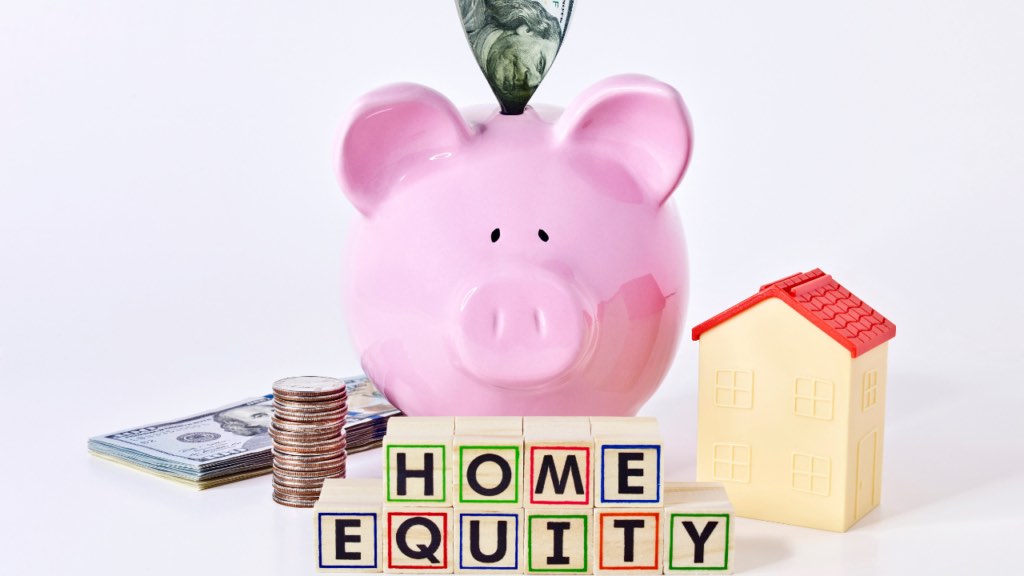
How do you build equity in your home faster in Minnesota? Equity grows when your loan balance goes down and when your home's value goes up. You control the first part directly, mainly by paying extra toward principal or choosing a shorter loan, and you protect the second part by keeping the home in good condition.
What is home equity, in plain words?
Equity is the part of your home you own outright. It is the difference between what your home is worth and what you still owe on it. If a home would sell for $350,000 and the loan balance is $280,000, the owner has about $70,000 in equity before selling costs.
The Consumer Financial Protection Bureau (CFPB) explains that each monthly payment is split between principal and interest. The principal part lowers what you owe and builds equity. The interest part does not. That is why the CFPB notes that the equity you build is much less than the total of your payments.
Why does equity grow slowly at first?
The CFPB describes this process, called amortization. Early in the loan, your balance is high, so most of each payment goes to interest. Over time, as the balance drops, more of each payment goes to principal. Near the end of the loan, most of the payment is principal.
This is the reason extra principal payments early in a loan matter. Each extra dollar lowers the balance that interest is charged on going forward.
Can I pay extra on my mortgage without a penalty?
Usually, but check. The CFPB says a prepayment penalty is a fee some lenders charge if you pay off all or part of a mortgage early, and that not all mortgages have one. It says these penalties typically apply when you pay off the whole balance within a set number of years, and do not normally apply to extra principal paid in small amounts, but it recommends double checking with your lender.
Your closing documents show whether your loan has a prepayment penalty. Your servicer can confirm it too.
What are common ways owners pay down principal faster?
- Extra principal each month. Even a small amount added to each payment goes straight to the balance. Make sure your servicer applies it to principal, then check your statement.
- A once-a-year payment. Some owners send part of a tax refund or bonus toward principal.
- A shorter loan term. A 15-year loan has higher monthly payments than a 30-year loan, and more of each payment goes to principal. Our article comparing 15-year and 30-year mortgages walks through the tradeoff.
- A refinance in some cases. Refinancing has costs, so it only makes sense when the numbers work. Our article on when to refinance in Minnesota covers the questions to ask.
Before you send extra money to your mortgage, make sure you still have savings for emergencies and home repairs. A lower balance does not help if a broken furnace goes on a credit card.
Does paying down my loan help with PMI?
It can. On many conventional loans, private mortgage insurance can be removed once your balance reaches certain levels tied to your home's original value. Extra principal payments can get you there sooner. Our article on removing PMI later explains the rules the CFPB describes.
What can slow my equity down?
A few common moves work against equity, so it helps to know them.
- Borrowing against the home for things that do not last, such as vacations or cars, adds new debt tied to the house.
- Skipping maintenance can lower what a buyer will pay later.
- Refinancing into a new 30-year term without a plan can restart the slow, interest-heavy part of the loan.
- Falling behind on property taxes or insurance can lead to penalties. The CFPB notes that many lenders collect these through an escrow account for that reason.
What about the value side of equity?
You do not control the market, and no one can promise what any home will be worth later. What you can do is protect the home's condition so it is ready when you sell.
- Fix small problems like leaks, drainage and worn roofing before they turn into big ones.
- Service the furnace and water heater on schedule.
- Keep receipts and records for repairs and improvements.
- Test for radon. The Minnesota Department of Health recommends that every Minnesota home be tested.
Our article on home improvements that add value in Minnesota covers which projects to think through first.
How do I know how much equity I have right now?
Start with your latest mortgage statement for your balance. For the value side, we can prepare a home valuation based on recent sales near you. The difference between the two is a working estimate of your equity. A lender orders its own appraisal if you ever borrow against it or refinance.
Frequently asked questions
Does every mortgage payment build equity?
Only the principal part does. The CFPB says the interest part does not lower your balance or build equity.
Is there a penalty for paying extra?
Some loans have one. The CFPB says prepayment penalties typically apply to paying off the whole balance early and do not normally apply to small extra principal payments, and it suggests confirming with your lender.
Is a 15-year loan always better for equity?
A 15-year loan builds equity faster, but the payment is higher. Your budget and goals decide which one fits.
Do home improvements build equity?
Some may help a home's value, and some may not. A valuation before and after gives you a better picture than a general rule.
If you want a current estimate of your home's value to see where your equity stands, send us a message or call (651) 661-4770. We'll walk through it with you.