2026-06-28 · 5 min read · Minnesota
How Do I Know If I'm Ready to Buy a Home in Minnesota?
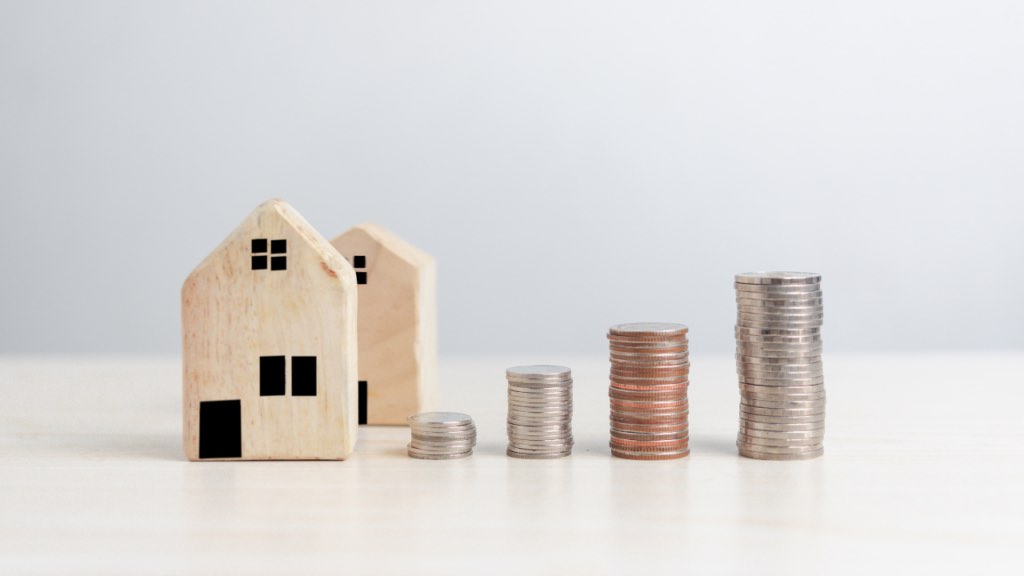
How do you know if you're ready to buy a home in Minnesota? You are usually ready when five things are true: your income is steady and can be documented, your credit report is accurate, you have savings for the down payment, closing costs and a cushion, your monthly budget leaves room for a full house payment, and you plan to stay put for several years. A lender's review confirms the money side, and you decide the life side.
Is readiness a feeling or a checklist?
Readiness is a checklist. Many buyers wait for a moment when they feel completely sure, and that moment rarely arrives. Others feel excited and start touring before the numbers are in place. Both groups do better with a short list of things they can check.
The five areas below are the ones we walk through with every first-time buyer. You do not need perfect marks in each one. You need to know where you stand, so the next step is clear.
Is my income steady enough?
Lenders look at how much you earn and how reliably you earn it. They also look at how your income is documented. A salaried job is usually simple to verify with pay stubs and W-2 forms. Self-employed, commission, gig and contract income often needs tax returns and more paperwork.
Ask yourself a plain question: can I expect to earn about the same income over the next year? If the answer is yes and you can show it on paper, that is a strong start. Your lender confirms how your type of income is counted, because each loan program sets its own rules.
Is my credit ready?
Start by reading your credit reports. The Consumer Financial Protection Bureau explains that you can get free credit reports from Equifax, Experian and TransUnion once a week at AnnualCreditReport.com. Look for accounts you do not recognize, late payments you believe are wrong and balances that are out of date. Dispute errors before you apply.
Your credit history affects which loans you qualify for and the terms you are offered. We do not quote score cutoffs, because they differ by lender and program. A lender can tell you where you stand and what would help most. If your credit needs work, that is a starting point, not a dead end.
Do I have enough saved?
Many first-time buyers save only for the down payment. You also need money for closing costs, and you need savings left after closing. Our guide to closing costs in Minnesota explains what they include.
- Down payment. The amount depends on your loan type, and a lender confirms the minimum for your situation.
- Closing costs. These cover lender fees, title services, prepaid taxes and insurance, and recording fees.
- A cushion. A furnace or water heater can fail in the first year, so keep money you will not spend at closing.
Down payment assistance programs exist in Minnesota, and each program sets its own rules. Your lender confirms which ones you are eligible for.
Can my budget carry a full house payment?
Look at your last three months of bank statements and add up what you really spend. Then compare it to what you bring home. A house payment usually includes principal, interest, property taxes, homeowners insurance and sometimes mortgage insurance or association dues. Owning also adds utilities, upkeep and repairs that a landlord may cover today.
A useful test is to set aside the difference between your rent and an estimated house payment for a few months. If you can save that amount without strain, the payment is likely to feel manageable. Our article on how much house you can afford goes deeper on the math.
Is the timing right for my life?
Buying and selling both carry costs, so owning tends to make the most sense when you expect to stay for several years. Think about the next three to five years.
- Do you expect a job change or a move to another city?
- Do you expect your household to grow or shrink?
- Does your lease end soon, and can you extend it if the search takes longer?
There is no right answer for everyone. If your plans are uncertain, renting a little longer can be the smart move. If your plans are steady, the timing may be right even if the market feels busy.
What should I do if I'm almost ready?
Being close is a good place to be. Pick the one area that is furthest behind and work on it for the next few months.
- Talk with a lender now, even a year early. The CFPB notes that getting preapproved earlier can help you spot credit issues in time to correct them.
- Set an automatic transfer into a savings account for your down payment and closing costs.
- Pay down a balance that is close to its limit, and keep paying every account on time.
- Meet with a HUD-approved housing counselor. The CFPB has a housing counselor search by ZIP code.
We meet with buyers who are six months to a year away and help them build a plan. Our first-time buyers page explains how that works.
Frequently asked questions
Do I need perfect credit to buy a home?
No. Lenders and loan programs set their own credit requirements, and a lender can tell you which programs fit your history.
Do I need a large down payment?
The required down payment depends on the loan program. Some programs allow smaller down payments, and a lender confirms what applies to you.
Should I get preapproved before I look at homes?
Yes, in most cases. A preapproval letter shows what a lender is generally willing to lend, and sellers take offers with one more seriously.
How long does it take to get ready?
The time depends on where you start. Some buyers are ready in weeks, and others take a year to save and build credit.
If you want to talk it through, send us a message or call (651) 661-4770. We'll go through the checklist with you and map out your next step.