2026-06-08 · 5 min read · Minnesota
How Much Does It Cost to Heat a Home in Minnesota Winters?
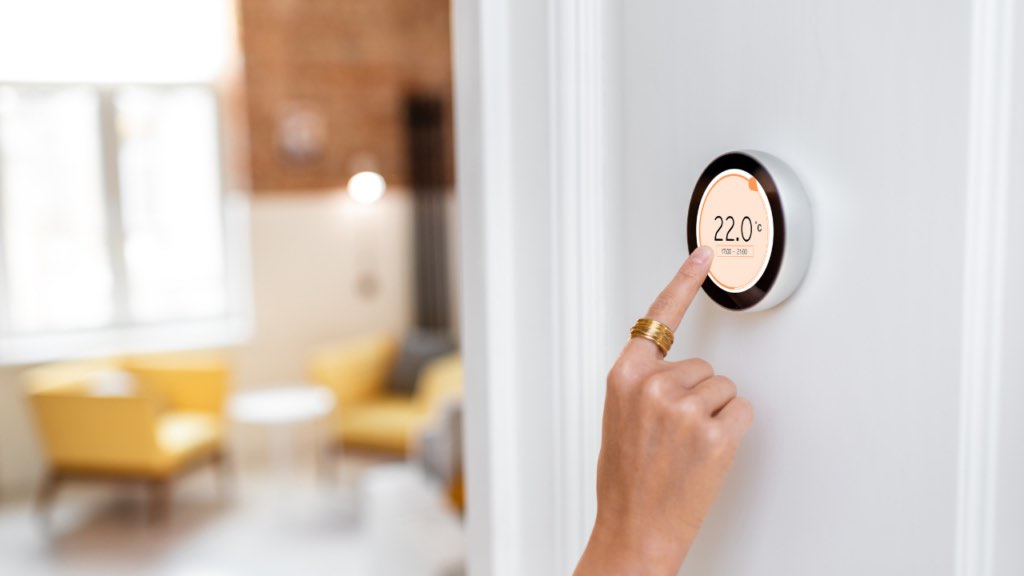
How much does it cost to heat a home during Minnesota winters? No single number fits every house, and we do not quote one. The cost depends on the home's size, insulation, windows, furnace and fuel type, and on how warm you keep it. The most useful answer for a specific home is its own past bills, which you can ask the seller for before you buy.
Why can't anyone give you one number?
Two homes of the same size on the same street can have very different heating bills. One may have new windows, sealed air leaks and a recently replaced furnace. The other may have original single-pane windows, a drafty attic and a furnace near the end of its life. The fuel matters too, since natural gas, electricity, propane and fuel oil are priced differently.
Your own habits move the bill as well. A household that keeps the thermostat higher, works from home all day or heats a finished basement will use more energy than one that does not. A number from a neighbor or an online average tells you little about your house.
How do you find out what a specific home costs to heat?
Ask for the history. Before you write an offer, or during your inspection period, ask the seller for twelve months of gas and electric bills. A full year shows the January and February bills next to the summer ones, which is the comparison you need.
- Ask the seller which fuel heats the home and how old the furnace or boiler is.
- Ask what temperature the home was kept at, so you can adjust for your own habits.
- Ask whether the home uses propane or fuel oil, and if so, who delivers it and how it is billed.
- Have your inspector look closely at the heating system, insulation and windows.
We ask for utility history for our buyers when it matters to their budget. If you are moving from a warmer state, our relocation page covers more of what to expect in a first Minnesota winter.
What features change a winter heating bill the most?
The Minnesota Department of Commerce publishes a Home Energy Guide with steps to make a home more efficient. Its topics are a good checklist when you tour:
- Air sealing and insulation decide how much heat stays inside.
- Windows and doors are common places for heat to escape.
- The heating, cooling and ventilation system sets how efficiently fuel turns into heat.
- Water heating adds to the energy bill all year.
Commerce also publishes seasonal energy saving tips, and its guide includes changes you can make yourself and advice on hiring a contractor for larger projects. A home with upgrades in these areas can cost less to heat than a newer home without them.
What protects you from a shutoff in winter?
Minnesota has a specific protection for the cold months. The Public Utilities Commission explains that the Cold Weather Rule protects residential customers from having electric or natural gas service shut off between October 1 and April 30. To be protected, you make and keep a payment plan that you and your utility agree on, and the utility must offer a plan that is reasonable for your household.
- All natural gas and electric utilities must offer the protection.
- The rule does not apply to delivered fuels such as propane, fuel oil or wood.
- Propane dealers must offer a budget billing plan, according to the commission.
- If an oil or propane furnace runs on electricity, the commission says to apply for protection with your electric company.
If you are buying a home outside natural gas service, the type of fuel deserves a close look before you commit.
Is there help with heating bills?
There is, for households that qualify. The Minnesota Department of Commerce runs the Energy Assistance Program, which it describes as free. As we read the page on November 18, 2026, it says:
- Both renters and homeowners can qualify, based on income and household size.
- A family of four could earn up to $73,969 a year and qualify.
- Benefits go up to $1,400, and initial benefits average $500 per household.
- Payments go directly to the utility or to the fuel provider.
- The deadline to apply for the winter of 2026 to 2027 is May 31, 2027.
Commerce also lists a Weatherization Assistance Program among its income-qualified programs, which helps eligible households make their homes more efficient. Figures change each season, so check the current page before you rely on them.
How should heating fit into your budget?
Heating is a seasonal cost, so your budget has to handle the high months, not the average. Use the seller's bills to find the highest winter month, and make sure your monthly budget still works at that number. The commission also says you can set up a utility payment plan at any time of year, so ask your utility what it offers.
Heating is separate from the escrow part of your mortgage payment. The Consumer Financial Protection Bureau explains that escrow covers property taxes and insurance, not utilities, so you pay the heat bill yourself every month. Our article on monthly costs after buying shows how heating fits with the rest of the budget, and our article on unexpected costs after buying covers the first-winter surprises.
Frequently asked questions
What is the Cold Weather Rule in Minnesota?
It is a state protection for residential electric and natural gas customers. The Public Utilities Commission says it protects service from shutoff between October 1 and April 30 when you make and keep a payment plan with your utility.
Does the Cold Weather Rule cover propane?
The rule does not cover delivered fuels such as propane, fuel oil or wood. The commission says propane dealers must offer a budget billing plan.
How can I estimate heating costs before I buy?
Ask the seller for twelve months of gas and electric bills. A full year shows the winter months, and your inspector can check the furnace, insulation and windows.
Can homeowners get help paying heating bills in Minnesota?
Homeowners and renters can both qualify for the Energy Assistance Program, based on income and household size. The Minnesota Department of Commerce lists benefits of up to $1,400.
Do you want help comparing the winter costs of two homes? Send us a message or call (651) 661-4770. What questions do you have?