2026-06-12 · 4 min read · Minnesota
How Much Emergency Savings Should Immigrant Homebuyers Keep?
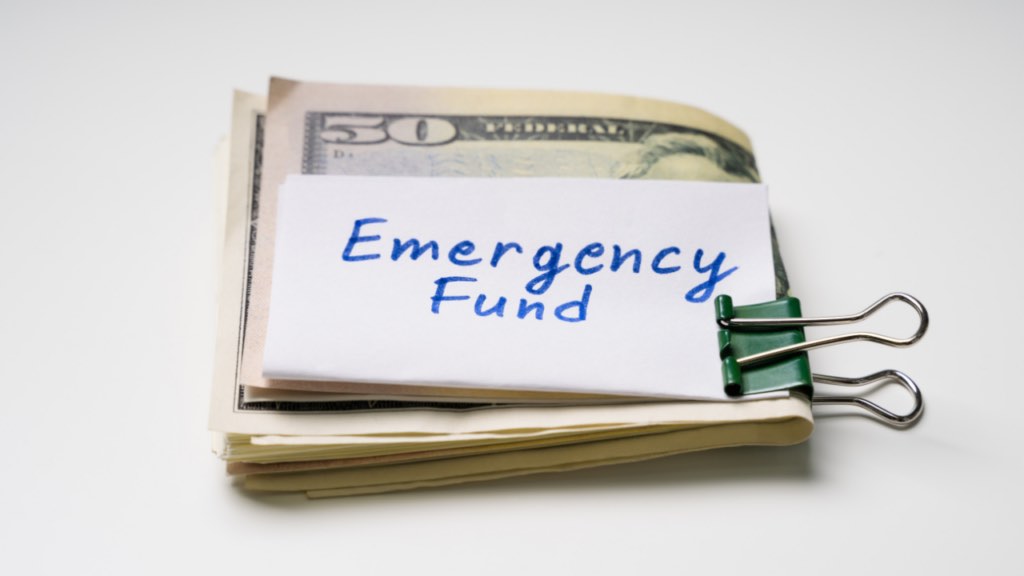
How much emergency savings should immigrant homebuyers keep after closing? No official number fits every buyer. The Consumer Financial Protection Bureau says the right amount depends on your situation. Base yours on your full monthly payment, the age of the home, how steady your income is and what you send or spend for family, then keep that money separate from everything else.
Why do emergency savings matter more after you buy?
When you rent, the landlord usually pays for a broken furnace or a leaking water heater. When you own, those bills are yours. A Minnesota furnace can stop in January, and that repair cannot wait until next month.
The mortgage payment also starts right away, along with utilities, insurance and property taxes. Buyers who spend every dollar to reach the closing table can end up using credit cards for the first repair. The CFPB notes that relying on credit cards or loans for a shock can lead to debt that is harder to pay off.
Is there an official number I should keep?
The CFPB's guide to building an emergency fund does not set a fixed number of months. It explains that the amount depends on your situation and suggests thinking about the unexpected expenses you have had in the past and what they cost.
New homeowners can use that as a starting point. Add the costs that come with a house, such as appliance repairs, a furnace service call and snow removal, to the costs you already know from renting.
What is the difference between reserves and an emergency fund?
Lenders use the word reserves for money you still have after closing. Fannie Mae's minimum reserve requirements (B3-4.1-01) describe reserves as liquid or near-liquid assets available after the mortgage closes, measured in months of the full housing payment.
- Funds to close are subtracted from your assets before reserves are counted.
- Checking and savings accounts, certain investments, vested retirement funds and the cash value of a vested life insurance policy can count.
- Eligible gift funds can be used for reserves, but a gift of equity cannot.
- For loans run through Desktop Underwriter, there is no minimum reserve requirement for a one-unit principal residence, and a two- to four-unit principal residence requires six months.
A lender's reserve rule is about qualifying for the loan. Your emergency fund is about living in the home. Other programs have their own rules, and your lender confirms what applies to you.
How do I figure out my own number?
Start with your full monthly payment, including principal, interest, taxes, insurance and any association dues. Then think through these questions.
- Income: Is your pay steady, or does it change with shifts, contracts or seasons?
- Household: How many people depend on your income here?
- Family abroad: If you send money to relatives in another country, treat it as a regular bill.
- The home: How old are the roof, furnace, water heater and appliances?
- Travel: Could you need to fly home on short notice for a family event?
A buyer with steady pay and a newer home may feel comfortable with less. A buyer with changing income, an older home and family obligations may want more. Write down your number, and treat it as part of your budget, not as money left over.
Where should I keep my emergency money?
The CFPB lists a few options: a bank or credit union account, a prepaid card or cash. It describes a bank or credit union as generally one of the most secure places for your money and notes that cash can be stolen, lost or destroyed.
Many people keep emergency money in a separate account, so it does not get spent on daily needs. If you take part in a savings circle with family or friends, keep your emergency fund outside it, since you may not control when you receive that money.
Should I put less down to keep more savings?
Sometimes that makes sense. A smaller down payment can leave more cash after closing, but it can raise your monthly payment and may add mortgage insurance. Ask your lender to show you both options side by side.
Plan for closing costs too, so they do not drain your cushion at the last minute. Our guide on closing costs in Minnesota explains what to expect.
After closing, apply for homestead classification with your county assessor. The Minnesota Department of Revenue explains that a homestead may lower your property taxes, and you apply by December 31 for taxes payable the next year. Our guide on long-term planning for immigrant homeowners covers the first years after you move in.
Frequently asked questions
Does the lender require savings after closing?
It depends on the loan. Fannie Mae has no minimum reserve requirement for a one-unit principal residence through Desktop Underwriter, but other loans and lenders can set their own rules.
Can gift money count toward reserves?
Fannie Mae's guide lets eligible gift funds count toward reserves. A gift of equity does not count. Your lender explains how to document a gift.
What if I use my emergency fund right after I move in?
The CFPB encourages people to use the fund when they need it and then build it back up. Set a monthly amount to rebuild it.
Should I count money in my retirement account?
A lender may count vested retirement funds as reserves. For your own emergencies, ask a tax professional about the cost of taking money out early.
Do you want help planning how much cash to keep after closing? Send us a message or call (651) 661-4770. What questions do you have?