2026-04-23 · 5 min read · Minnesota
What Should I Know Before Moving to Plymouth, Minnesota?
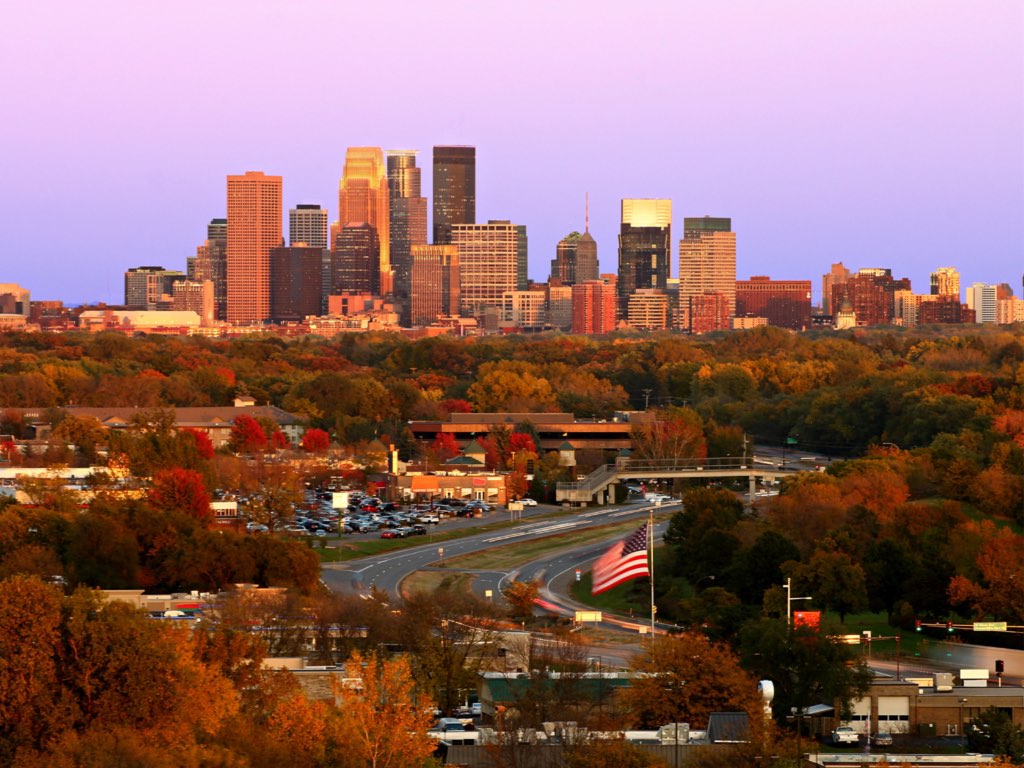
What do you need to know before moving to Plymouth, Minnesota? The short answer: confirm the school district for the exact address, check the flood map for any home near a lake or wetland, review the association on any townhome or condo, and plan which highway or Metrolink route you will use. Plymouth is a large Hennepin County city, and those four details change from one street to the next.
This article is the checklist. For a picture of daily life in the city, read our companion guide, what it is like living in Plymouth.
Which school district will my Plymouth home be in?
Four districts serve different parts of Plymouth: Wayzata, Robbinsdale, Osseo, and Hopkins. The city does not decide which district a home is in, and a ZIP code does not tell you either. Two similar homes a mile apart can be in different districts.
Before you make an offer, we confirm the district with the district itself, using the full address. If a particular school matters to you, ask the district about attendance boundaries too, because those can change.
What should I check on a home near the water?
Plymouth is built around lakes, ponds, and wetlands. Medicine Lake alone covers 902 acres, and many subdivisions curve around smaller ponds. That is a big part of the city's appeal, and it adds a few steps to a purchase.
- The flood map. Enter the address in FEMA's Flood Map Service Center at msc.fema.gov. FEMA's current maps for Hennepin County, including Plymouth, took effect November 4, 2016.
- Flood insurance. A home in a mapped flood zone may need flood insurance if it has a federally backed mortgage. If a home is shown in the floodplain but sits higher, the owner may appeal with a Letter of Map Amendment.
- Drainage and the basement. The inspection should look for signs of water, and we ask the seller about past water issues.
- Building limits. Near a wetland, we check what you may build or clear before you plan a deck, fence, or addition.
What should I know about townhomes and condos in Plymouth?
Plymouth has many townhome and condominium communities, from the 1970s through recent construction. In the City Center area, for example, 1980s and 1990s townhomes and condos sit near City Hall and the Hilde Performance Center. In Parkers Lake, townhomes, houses, and condos mostly date from the 1970s to 1990s.
With any association, we review three things before you offer: the monthly dues and what they cover, the rules (rentals, pets, parking, exterior changes), and the reserves set aside for roofs, siding, and paving. A low reserve can mean a special assessment later.
How will I commute from Plymouth?
Interstate 494 runs north and south through the middle of the city. Highway 55 runs toward downtown Minneapolis, and Highway 169 runs along the east side. A home near one of these can mean a very different drive than a home three miles away, so we look at your real route at the time of day you will drive it.
If you plan to ride the bus, Plymouth Metrolink runs express commuter routes to downtown Minneapolis and the University of Minnesota. Station 73, at Highway 55 and County Road 73, is a 288-space park-and-ride ramp. There are also park-and-ride lots at the Plymouth Ice Center and at the former Four Seasons Mall site. For trips around town, the Click-and-Ride shuttle is $3 each way for rides that begin or end in Plymouth.
What does it cost to own a home in Plymouth?
The median value of an owner-occupied home in Plymouth was $491,200 in the U.S. Census survey covering 2020 to 2024. That is a survey figure, not today's sale prices. When you are ready, we pull recent sales near the homes you like.
Beyond the price, plan for these costs:
- Property taxes. Hennepin County keeps the records. Search any home by address or property ID to see current and prior-year taxes and assessed values.
- Association dues, if the home has an association.
- Trash and organics. Each household picks a city-licensed hauler and pays it directly. Recycling and optional weekly organics pickup are billed through the city utility bill.
- Flood insurance, if the home is in a mapped flood zone.
Our relocating to Minnesota page explains how to buy from a distance, and our Plymouth page lists the city's ZIP codes, parks, and services in one place.
What should I set up after I move?
- Choose a garbage hauler from the city's licensed list and sign up for organics if you want it.
- Ask Hennepin County about homestead status if the home is your primary residence.
- Get a library card at the Plymouth Library, 15700 36th Avenue North.
- Download the Metrolink app if you plan to use Click-and-Ride.
I'm Lesley, a REALTOR® with Bridge Realty. We help buyers moving to Plymouth from across Minnesota and from out of state, and we run every check above with you before you sign. Comparing Plymouth with its neighbor to the south? See Plymouth vs Minnetonka.
Frequently asked questions
What ZIP codes are in Plymouth, MN?
Plymouth addresses use ZIP codes including 55441, 55442, 55446, and 55447. A ZIP code does not tell you the school district.
How do I check if a Plymouth home is in a flood zone?
Enter the address in FEMA's Flood Map Service Center at msc.fema.gov. The current maps for Hennepin County took effect November 4, 2016.
How does garbage pickup work in Plymouth?
Every household chooses its own city-licensed hauler. Recycling and optional weekly organics pickup are paid through the city utility bill.
Can I buy a Plymouth home before I sell my current one?
Often, yes. Options include a contingent offer, a bridge loan, or timing both closings close together. We review them with a lender first.
Have a question about a home or a street we did not cover here? Send us a message or call (651) 661-4770. What questions do you have?