2026-07-08 · 4 min read · Minnesota
Should I Buy a Condo, Townhouse or House in Minnesota?
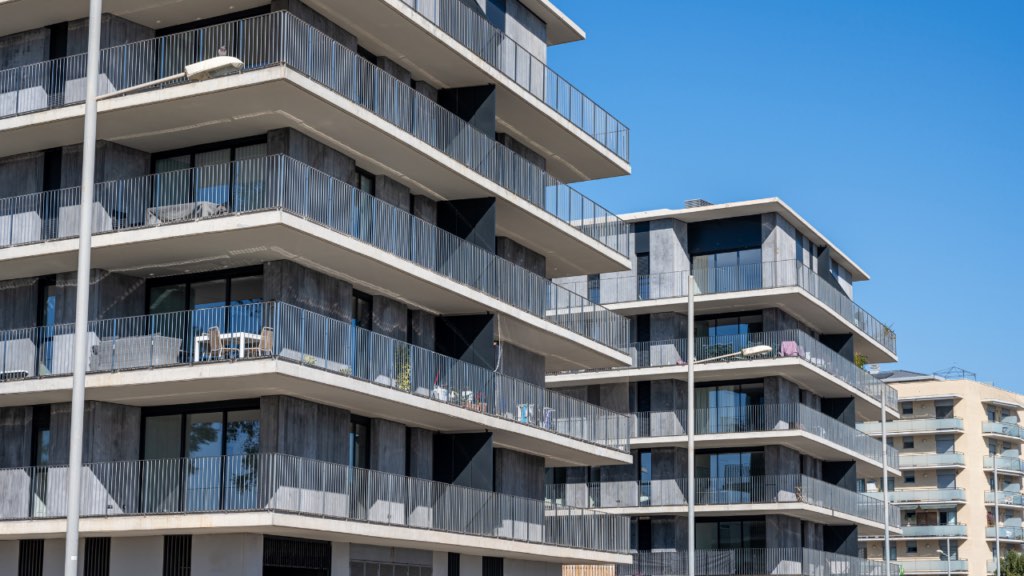
Should you buy a condo, a townhouse or a single-family house in Minnesota? The answer depends on what you want to own, what you want to maintain yourself and what you can pay each month. Compare those three things for the actual homes you are considering, read the association documents for any condo or townhome, and confirm with your lender how the home type affects your loan.
What do you own with each type of home?
The label in a listing does not tell you exactly what you own. The recorded documents do.
- Condo. You typically own your unit and share the building and grounds with the other owners through an association.
- Townhouse. Some townhomes come with the land under the home and a small yard. Others are set up much like a condo. The association's declaration spells out which applies.
- Single-family house. You usually own the house and the lot, and you handle all of the upkeep yourself unless the neighborhood has an association.
Ask for the declaration early in your search so you know what you would be responsible for before you fall for a floor plan.
Who handles the roof, the snow and the lawn?
Minnesota winters make this question practical. With a single-family house, you clear the driveway and sidewalks, mow and care for the roof and siding, or pay someone to do it. Many condo and townhome associations handle exterior care, lawn mowing and snow removal, and the cost is built into the monthly dues.
The details vary from one association to the next. One may replace roofs from its reserves, while another may bill owners for a large project. Read what your dues cover before you compare monthly costs. Our article on whether HOA communities are worth it in Minnesota shows how to weigh the services against the fees.
What documents come with a condo or townhome?
Minnesota's Common Interest Ownership Act sets out what a seller provides on a resale. Minnesota Statutes section 515B.4-107 says that, unless the sale is exempt, the seller furnishes these to the buyer before the purchase agreement is signed or before the sale closes:
- The declaration, articles of incorporation, bylaws, rules and regulations, and any amendments.
- A resale disclosure certificate from the association, dated not more than 90 days before the purchase agreement or the closing, whichever is earlier.
- A copy of any reserve study the association obtained within the past three years.
Read these closely. Look at the dues, the reserve balance, any special assessments, rental limits, pet rules and parking. The statute has related sections with other rules, so a real estate attorney can confirm what applies to your purchase.
Does the home type change your loan?
It can. When you finance a condo, the lender reviews the project as well as you. If you plan to use an FHA loan, HUD keeps a public search of FHA-approved condominium projects that you can filter by state, city and status. Your lender confirms whether a specific building works for the loan you want.
Insurance also differs. The association's master policy covers some things, and your own policy covers others. Ask an insurance agent to read the association's coverage and tell you what your policy needs to include, then add that premium to your monthly cost.
How do the monthly costs compare?
Compare the full monthly cost, not the price alone. A condo with a lower price and higher dues can cost about the same each month as a house with a higher price and no dues.
- Principal and interest on the loan.
- Property taxes, which you can look up in the county record.
- Insurance, which differs by home type.
- Association dues, if any.
- Upkeep you pay yourself, such as snow removal, lawn care and a savings fund for the roof and furnace on a house.
Our article on what helps a Minnesota home hold its value covers how condition and costs affect resale for each type.
Which questions help you choose?
Write down your answers to these before you tour more homes. They usually point to one type.
- How much time do you want to spend on yard work and snow each week?
- Do you need a garage, a yard, or space for a workshop or garden?
- How long do you plan to stay in the home?
- Are you comfortable following association rules on pets, rentals and exterior changes?
- What full monthly payment fits your budget with room to spare?
If you are weighing these choices for a first home, our article on choosing a condo, townhome or house as a first home walks through a side-by-side comparison, and our first-time buyer page explains the steps.
Frequently asked questions
Is a townhouse the same as a condo in Minnesota?
A townhouse is a building style, and a condo is a form of ownership. The association's declaration says what a townhome owner owns and maintains.
What is a resale disclosure certificate?
It is a document from the association with information about the unit and the association. Minnesota law says it must be dated not more than 90 days before the purchase agreement or the closing, whichever is earlier, unless the sale is exempt.
Can I use an FHA loan for a condo?
An FHA loan can work for a condo when the project meets FHA rules. HUD's online search shows FHA-approved condominium projects, and your lender confirms eligibility.
Do association dues ever go up?
Associations set their budgets and can change dues. The budget, reserve study and meeting minutes show you what is planned.
Trying to decide between a condo, a townhouse and a house? Send us a message or call (651) 661-4770. What questions do you have?