2026-06-20 · 4 min read · Minnesota
Should I Buy New Construction or Resale as an Immigrant in MN?
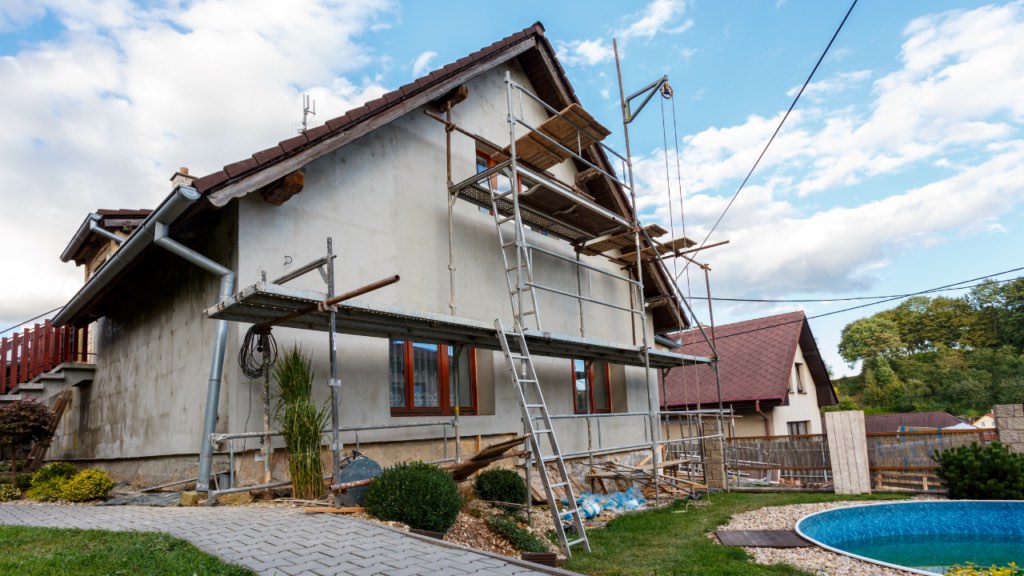
Should you buy new construction or a resale home as an immigrant in Minnesota? Either can be the right choice. A new home comes with Minnesota's statutory warranties, a builder's contract and often a longer wait. A resale home comes with the seller's disclosures, an established yard and usually a faster move. The right answer depends on your timeline, your budget and how much paperwork and waiting you are ready for.
How is buying from a builder different from buying from an owner?
When you buy a resale home, you buy from the current owner, and the offer is usually written on standard Minnesota forms. When you buy new construction, you buy from a builder, and the builder usually writes its own purchase agreement.
The builder's sales consultant works for the builder. That is normal, but it means nobody in the model home is there to protect your interests. We recommend bringing your own agent on the very first visit, so your agent is part of the process from the start.
A builder contract can be long and full of terms that are new to many buyers. Read it before you sign. If English is not your first language, ask for time and help, and never sign a page you do not understand.
What protections come with a new home in Minnesota?
Minnesota law gives buyers of new homes statutory warranties. Minnesota Statutes 327A.02 requires the seller to warrant these points, counted from the warranty date:
- For one year, the home will be free from defects caused by faulty workmanship and defective materials due to noncompliance with building standards.
- For two years, the home will be free from defects caused by faulty installation of plumbing, electrical, heating and cooling systems due to noncompliance with building standards.
- For ten years, the home will be free from major construction defects due to noncompliance with building standards.
The statute says these warranties survive the transfer of title to you. Read the builder's own warranty too, and keep every document. An attorney can explain how the law applies to a specific problem.
What protections come with a resale home?
For a resale home, Minnesota Statutes 513.55 requires the seller to give you a written disclosure before you sign. It covers the material facts the seller knows about that could significantly affect an ordinary buyer's use and enjoyment of the home. The Minnesota Department of Health says sellers must also disclose what they know about radon.
A resale home also has a track record. You can see past tax bills, ask about utility costs and look at how the home has been kept up. An inspection tells you the age and condition of the roof, furnace and other systems.
Do I need an inspection on a brand-new home?
We suggest one. City inspectors check for code at set stages, but a private inspector works for you and looks at the finished home as a buyer would. Some buyers also add an inspection before the drywall goes up, so they can see the framing, wiring and plumbing.
For a resale home, an inspection is one of the main ways to learn what you are buying. Our guide on protecting yourself with contingencies explains how an inspection contingency works.
How does the timeline affect my loan and my lease?
A home that still needs to be built can take months. During that time, life keeps moving.
- Your lease may end before the home is ready, so plan where you will live in between.
- Your lender may ask for updated pay stubs, bank statements or documents before closing.
- A job change, a new car loan or a large deposit during that wait can affect your loan.
- If your residency documents have an expiration date, ask your lender how that affects the timing.
A resale home often closes sooner, which can match a lease end more easily. Keep the same habits either way: steady job, no new debt and a clean paper trail.
How do the costs compare?
A new home may need fewer repairs in the first years, but it can come with costs that are easy to miss.
- Upgrades. The base price may not include the finishes in the model home.
- Extras. Window coverings, a fence or a finished basement can be extra.
- Taxes. A newly built home's tax bill can change once the county assesses the finished home.
- Association dues. Many new developments have an association.
Builders sometimes offer incentives tied to their own lender. Compare that offer with at least one other lender before you decide. Our article on finding new construction homes in the Twin Cities covers builder costs and lenders in more detail.
Frequently asked questions
Do I need my own agent when I buy from a builder?
We do recommend it. The builder's sales staff works for the builder, and your agent reviews the contract, upgrades and timeline on your side.
How long does Minnesota's new home warranty last?
Minnesota Statutes 327A.02 sets one year for workmanship and materials, two years for plumbing, electrical, heating and cooling systems, and ten years for major construction defects, each tied to building standards.
Is a new home always more expensive?
Not always. Prices depend on size, location and finishes, so we compare new homes with recent resale sales nearby.
Can I use any lender for new construction?
Usually, yes. Some builder incentives require their own lender, so compare the full cost both ways.
Are you weighing a new home against a resale home? Send us a message or call (651) 661-4770. What questions do you have?