2026-06-23 · 4 min read · Minnesota
Should I Sell Before Buying My Next Home in Minnesota?
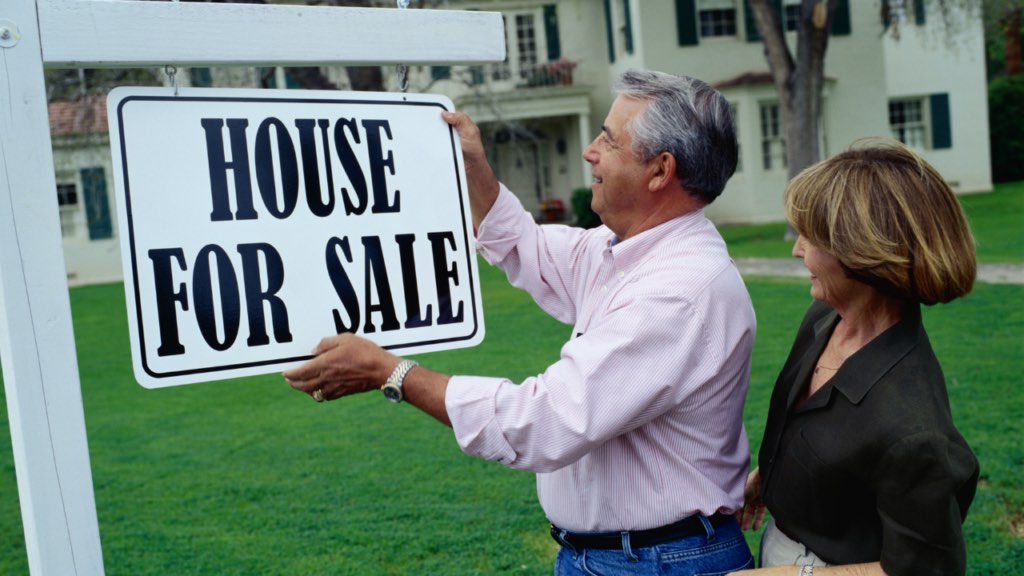
Should you sell your current home before you buy the next one in Minnesota? Selling first usually makes sense when you need your equity for the next down payment or cannot carry two payments, because it gives you a known budget and one mortgage at a time. Buying first can work when a lender confirms you can carry both homes, or when the home you want is hard to find. The answer comes from your finances and your tolerance for risk, so we start with those.
What do I gain by selling first?
Selling first replaces estimates with real numbers. Once your sale closes, you know your actual proceeds and your exact down payment, and your lender can approve your next loan without counting your old mortgage.
- A known budget. You shop with the money you actually have.
- One mortgage. You do not pay for two homes at once.
- A stronger offer. An offer that does not depend on another sale can be more appealing to a seller.
- Less pressure on your price. You are less likely to accept a weak offer because a second payment is due.
What are the downsides of selling first?
The main cost is a possible gap between homes. If you have not found your next home when your sale closes, you may need temporary housing, storage and two moves. Those costs belong in your plan from the start.
A written rent-back can shrink that gap by letting you stay in the sold home for a short agreed time. The buyer's lender may limit how long that stay can be. If the gap could be longer, our article on renting after you sell walks through the costs and steps.
When does buying first make sense?
Buying first can fit a seller who has enough income, savings or available credit to carry both homes for a while. It can also fit when the next home is hard to find, such as a specific layout, a single level for downsizing or a property in a small area with few listings.
The risk is time. If your current home takes longer to sell than planned, you keep paying for both. Before you choose this route, ask a lender to show you the full monthly cost of both homes and how long you could carry it. A lender also decides whether a bridge loan or a home equity line fits you, and on what terms.
What questions should I answer before I decide?
Write down your answers to these questions. They usually point to one path:
- Do you need the equity from this home for your next down payment and closing costs?
- Can you qualify for the next loan while you still own this home?
- How long could you carry two homes if the sale took longer than expected?
- Do you have a place to stay and space for your belongings if there is a gap?
- How many homes like the one you want come up for sale near your target area?
A home value estimate helps with the first question. Our home valuation page is a quick first step, and we follow it with a full estimate built on nearby sales.
Is there a middle path?
Many sellers choose a path between the two options. They prepare and list the current home first, then shop seriously once it is drawing offers. Some write a purchase offer with a home sale contingency once their home is under contract, which can make that contingency easier for a seller to accept. Others set both closings within a few days of each other.
Each of these paths needs dates that fit together. Our guide on timing a sale and a purchase at once explains same-day closings, contingencies and rent-backs in more detail.
How does this change if I am downsizing?
Downsizing sellers often have more equity and a smaller next purchase, which can make buying first easier to afford. Many also have years of belongings to sort, so time to prepare matters more than speed. Our downsizing page covers how we plan that kind of move.
Whatever the order, we price your current home from the sales and listings nearest it, using three positions: a Momentum Price that tends to sell faster, a Market-Aligned Price in line with the adjusted sales, and a Premium Price at the upper end the sales support. If you are buying first and want a quicker sale, the Momentum position is often the one to look at. We review the buyer response with you at day 7 to 10 after the home goes live.
Frequently asked questions
Is it risky to buy before selling?
Buying first can mean paying for two homes until your sale closes. A lender can show you that cost so you can decide with real numbers.
Will sellers accept an offer that depends on my sale?
Some sellers will, depending on how many offers they have. A contingent offer is stronger when your home is already listed or under contract.
Can I stay in my home after I sell it?
A written rent-back can let you stay for a short time after closing. The buyer's lender may limit how long that stay can last.
Should I buy again right after I sell?
It depends on your plans and the homes available. You can weigh that choice with our article on buying again right after selling.
If you are deciding which comes first, send us a message or call (651) 661-4770. We will look at your numbers and help you choose an order that fits.