2026-08-08 · 4 min read · Minnesota
What Can Cause My Loan to Be Denied in Minnesota?
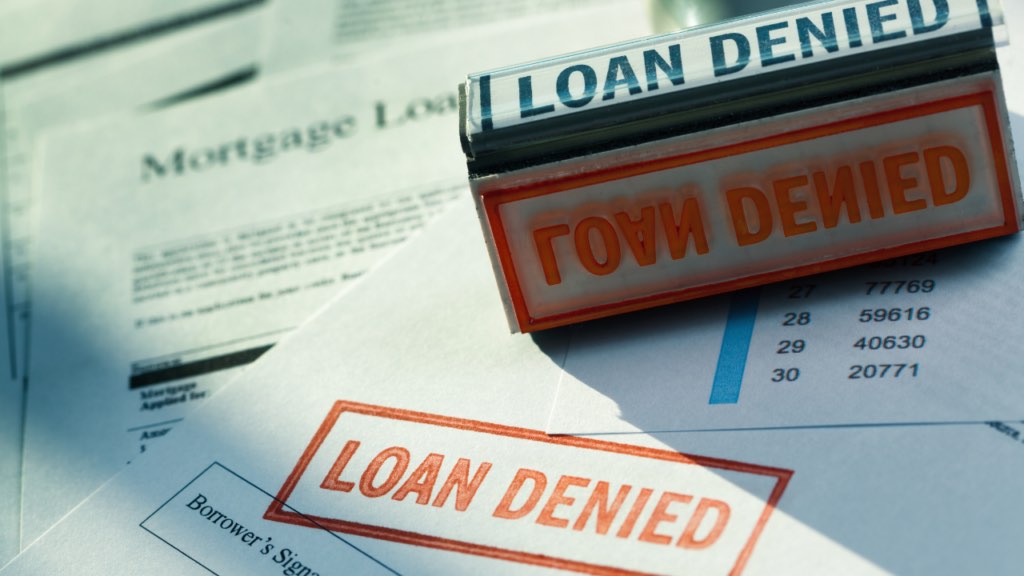
What can cause your mortgage to be denied in Minnesota? Common causes include a change in your debts, income, credit or available cash after pre-approval, money that cannot be documented, or a home that does not meet the loan program's rules. A pre-approval is not a final approval. The lender reviews your full file again before closing, and many denials are preventable when buyers keep their finances steady and tell their lender about any change right away.
Why can a loan be denied after pre-approval?
A pre-approval is based on the information you gave the lender at that time. After your offer is accepted, the lender's underwriter reviews everything in more detail: pay stubs, tax returns, bank statements, credit and the property. The CFPB notes that a lender may run a credit check just before you close a loan. If something changed between pre-approval and closing, the answer can change too.
What are the most common reasons?
- New debt. A car loan, furniture financing or a new credit card adds a monthly payment and can push your debt-to-income ratio past what the program allows.
- A change in income or job. A new job, reduced hours, a switch to commission or self-employment can change how a lender counts your income.
- Credit changes. A late payment, a new collection or a jump in card balances can lower your score.
- Money that cannot be documented. Lenders must confirm where your down payment and closing money came from. Unexplained deposits can be left out of the count.
- Not enough cash to close. Spending savings during the purchase can leave you short for closing costs or required reserves.
- Appraisal or property issues. If the appraisal comes in low or the home does not meet the program's property standards, the loan may need changes.
- Missing or inconsistent paperwork. Incomplete documents or information that does not match can stop a file.
How do I protect my approval while I am under contract?
Treat the time from application to closing as a freeze on your finances:
- Do not open new credit, finance a car or co-sign for anyone.
- Keep paying every bill on time.
- Do not change jobs or pay structure without talking to your lender first.
- Do not move large sums of money without a paper trail.
- Answer your lender's document requests quickly and completely.
- Tell your lender and your agent about any change, even if it seems unrelated to the house.
Our article on credit mistakes to avoid before buying has a fuller list, and our article on how early to move money before a mortgage covers the paper trail.
How does debt-to-income ratio play into a denial?
Your debt-to-income ratio compares your monthly debt payments to your monthly income before taxes. The CFPB says different loan products and lenders will have different limits. One new monthly payment can be enough to move a buyer from approved to over the limit. Our article on how lenders calculate debt-to-income ratio shows the math.
What can I do if my application is denied?
The CFPB says you should ask your lender why your application was denied. The lender is required to give you that explanation in writing if you request it, and must give you copies of the credit score the denial was based on. The CFPB also says another lender may approve you, and suggests checking your credit report for mistakes and talking with a HUD-approved housing counselor.
Keep that letter and any notes from the conversation in one place, because you will want them if you apply again.
Once you know the reason, you can decide on the next step: fix an error, pay down a balance, add documentation, wait for a change to settle or try a different program. If you are under contract, tell your agent right away, because your purchase agreement may have deadlines tied to financing.
A denial is often a pause, not the end. Many buyers who were turned down once come back later after paying down a balance, building more income history or correcting an error on a credit report. Getting the written reason gives you a clear starting point for that plan.
What if I think the denial was unfair?
Under the Equal Credit Opportunity Act, it is illegal for a lender to discriminate based on factors such as race, color, religion, national origin, sex, marital status, age or receiving public assistance income. The CFPB explains how to file a complaint if you believe a lender discriminated against you.
Frequently asked questions
Can I be denied after I get a clear to close?
Changes before closing can still matter, because a lender may check credit again just before closing. Keep your finances steady until the loan funds.
Does a denial hurt my credit score?
The denial itself is not a credit account. The credit check from your application can show as an inquiry, and the CFPB notes that hard inquiries can affect your score.
Will another lender say yes?
Sometimes. The CFPB notes that another lender may approve you. No one can promise approval, and each lender confirms eligibility.
What happens to my earnest money if my loan is denied?
That depends on your purchase agreement and its financing terms. Our article on earnest money in Minnesota explains the basics.
Worried about something in your file before you start? Send us a message or call (651) 661-4770, and we can connect you with a lender to look at it early.