2026-08-20 · 5 min read · Minnesota
What Currency Exchange Issues Come Up at a Minnesota Closing?
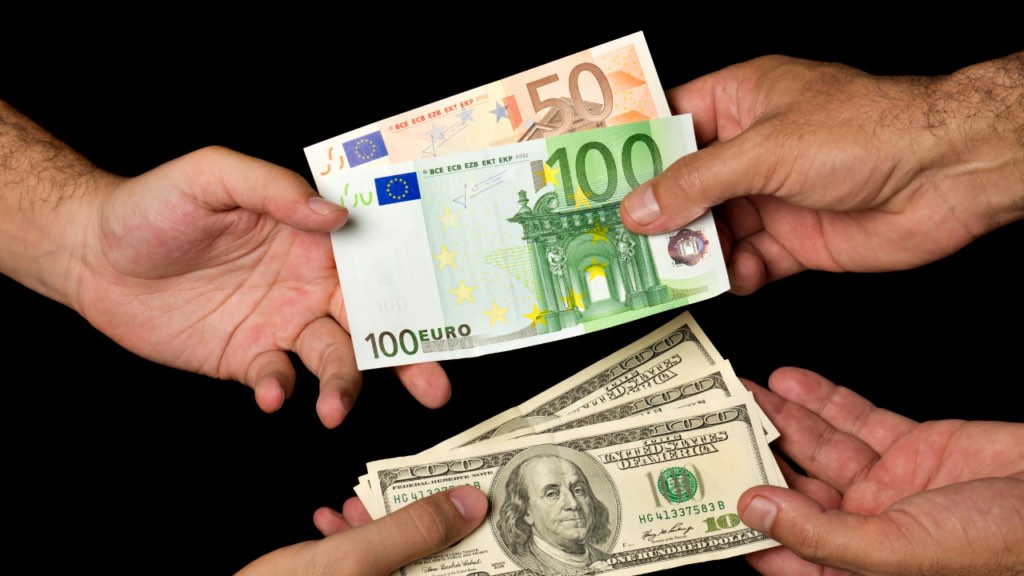
What currency exchange issues should you plan for at a Minnesota closing? Three things matter most: the exchange rate can move between now and closing, bank and transfer fees reduce the dollars that arrive, and your lender needs the money converted to U.S. dollars and verified before closing. Converting early, adding a cushion and keeping every receipt prevents most last-minute problems.
Why does the exchange rate matter so much?
Your closing amount is set in U.S. dollars. If your savings are in another currency, the number of dollars you get depends on the rate on the day you convert. Rates change every day. A plan that worked on paper three months ago can come up short if the rate moves against you before you send the money.
Fees add a second gap. The bank that sends the money, any bank in the middle and the bank that receives it may each charge a fee, and the rate you get can include a markup. The amount that lands in your U.S. account can be smaller than the amount you sent. Ask each bank, in writing, what it charges and what rate it uses before you transfer.
What does your lender need from money held abroad?
Lenders and loan programs set the rules, and a lender confirms what applies to you. For loans sold to Fannie Mae, the Fannie Mae Selling Guide (B3-4.2-05) says the lender must document all sources of funds used for the down payment, closing costs and reserves. When the money comes from assets outside the United States, the guide calls for:
- Documented evidence that the foreign assets were exchanged into U.S. dollars and held in a U.S. or state regulated financial institution.
- Verification of the funds in U.S. dollars before the loan closes.
The guide also says documents of foreign origin must be in English or come with a complete and accurate translation attached.
Large deposits get a closer look. The Fannie Mae guide (B3-4.2-02) defines a large deposit as a single deposit that exceeds 50% of the total monthly qualifying income for the loan. On a purchase, if those funds are needed for the down payment, closing costs or reserves, the lender must document that they came from an acceptable source. Our guide on documenting large deposits from abroad covers what lenders ask for.
When should you convert your money?
Convert earlier than you think. Moving money before you write an offer, or soon after, gives you three advantages.
- You know the exact dollar amount you have to work with.
- The deposit shows up on your U.S. statements with a clear record, which makes the lender's review easier.
- You avoid racing an international wire against your closing date.
If you cannot move everything at once, ask your lender how they want partial transfers documented. Some buyers convert in two or three planned steps and keep a record of each one. Whatever you choose, decide it with your lender before the money moves.
How much cushion should you plan for?
There is no single number, because rates and fees differ by country, currency and bank. A practical approach is to calculate what you need in dollars, then plan to have extra available for rate changes and fees. Your lender's estimate of cash to close and your title company's final figures are the numbers to plan around.
Keep part of the cushion in your U.S. account if you can. Closing figures can shift slightly in the final days, and having dollars already here avoids a rushed transfer.
Which records should you keep?
- The statement from your foreign account showing the money leaving.
- The transfer confirmation with the amount, date, sender and receiver.
- The exchange rate and fee receipt from each bank.
- Your U.S. statement showing the dollars arriving.
- Translations of any document not in English.
- A short letter explaining the transfer if your lender asks for one.
Our guide on wiring funds internationally for a closing covers timing and the wire itself.
Are there tax reporting rules to know about?
Some rules may apply, and a tax professional can tell you which ones apply. Two are common for buyers with money abroad.
- Foreign accounts. The IRS says a U.S. person must file an FBAR (FinCEN Form 114) to report foreign financial accounts if their total value exceeded $10,000 at any time during the calendar year.
- Gifts from abroad. The IRS says gifts from a nonresident alien must be reported only if the total from that person and related persons exceeds $100,000 during the tax year.
If family abroad is helping with the down payment, see our guide on acceptable gift funds from overseas.
How do you protect the money on the last step?
The Consumer Financial Protection Bureau has warned that scammers send fake emails with changed wiring instructions that look like they come from your agent or settlement agent. Confirm wiring instructions by calling a number you already trust, never one from an email, before you send the final wire to the title company.
Frequently asked questions
Can I wire money from another country straight to the title company?
It depends on your lender and title company. For Fannie Mae loans, foreign assets need to be exchanged into U.S. dollars and verified in a U.S. or state regulated institution before closing, so many buyers move money to their own U.S. account first.
What counts as a large deposit for a mortgage?
Fannie Mae's guide defines it as a single deposit that exceeds 50% of the total monthly qualifying income for the loan.
How much extra should I send to cover exchange rate changes?
It depends on the currency and fees. Ask both banks for their rates and fees, then plan a cushion with your lender.
Do I need translations of foreign bank statements?
Fannie Mae's guide says documents of foreign origin must be in English or include a complete and accurate translation.
What questions do you have? Send us a message or call (651) 661-4770. We help buyers line up their lender, title company and paperwork well before closing day.