2026-07-17 · 5 min read · Minnesota
New to the U.S.? What Documents Do I Need to Buy a Home in MN?
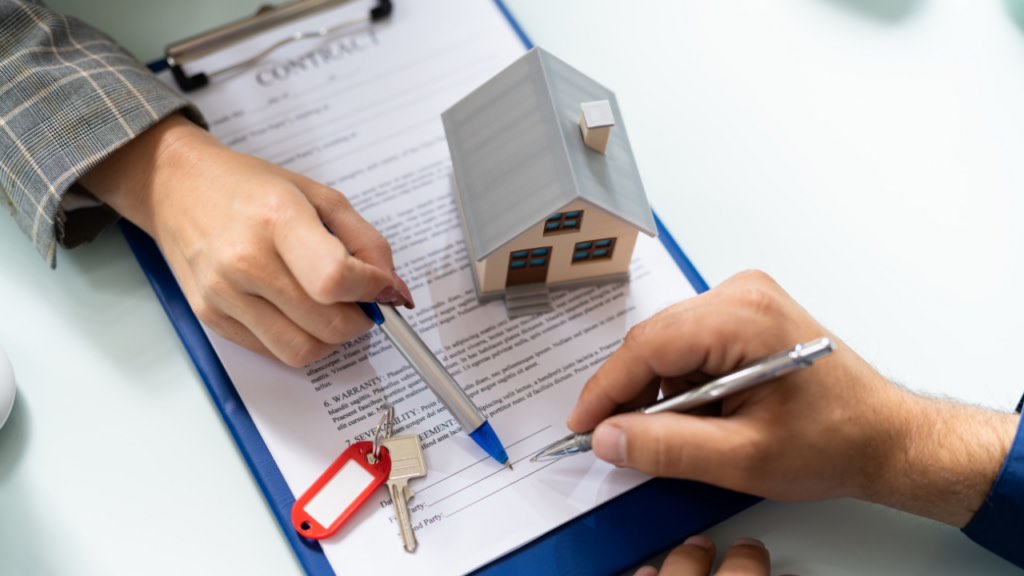
What documents do you need to buy a home in Minnesota if you are new to the U.S.? Most lenders ask for the same core papers they ask of every buyer: identification, proof of income, recent bank statements, a credit history and an explanation for any large deposit. Buyers who are not U.S. citizens also show the residency documents the lender asks for. Gathering these early is the fastest way to a smooth pre-approval.
Can a non-U.S. citizen get a regular mortgage in Minnesota?
Many can. Fannie Mae's Selling Guide (topic B2-2-02) says it buys mortgages made to non-U.S. citizens who are lawful permanent or non-permanent residents of the United States under the same terms that are available to U.S. citizens. The same topic says Fannie Mae does not list the exact papers a lender must collect. Each lender decides which documents show that a borrower is legally present, based on the case.
Government-backed loans, such as FHA and VA loans, and loans a lender keeps in its own portfolio follow their own rules. Your lender tells you which programs fit your situation and which residency papers each one asks for.
What identity and residency documents should you have ready?
Every lender sets its own list, so treat this as a starting point to bring to your first conversation.
- A government-issued photo ID, such as a passport or a Minnesota driver's license or ID card.
- The residency or work authorization documents that apply to you. Your lender names the exact papers it accepts.
- The taxpayer identification number you use for work and taxes. Your lender confirms what it needs to pull your credit and verify your income.
- Your current address and recent housing history, including your landlord's contact information if you rent.
Keep the originals in one folder and make clear copies. If any document is in a language other than English, ask your lender whether it needs a certified translation.
How do you prove your income?
Fannie Mae's guide on general income (B3-3.1-01) says borrowers who are not U.S. citizens must meet the same employment and income verification requirements as U.S. citizens. The same topic says income must be stable, have a documented history of receipt and be reasonably expected to continue.
For most salaried buyers, that usually means:
- Recent pay stubs.
- W-2 forms, and often tax returns, for the years your lender asks about.
- Your employer's contact information so the lender can verify your job.
- An offer letter if you started a new job recently.
If you are self-employed, earn commissions or have income from another country, expect more paperwork. A lender explains what it needs for your income type.
Which bank statements will the lender want?
For a purchase, Fannie Mae's guide on verifying deposits (B3-4.2-01) says bank statements must cover the most recent full two-month period of activity. Each statement must show the bank's name, your name as the account holder, at least the last four digits of the account number, the dates covered, every deposit and withdrawal, and the ending balance.
Give every page, even blank ones. A missing page is one of the most common reasons a file stalls. If you use more than one bank, gather statements from each account you plan to use for your down payment or closing costs.
Lenders also look closely at large deposits. Our guide on documenting large deposits from abroad explains what that means and how to prepare.
What if you have little or no U.S. credit history?
A short credit history is common for buyers who are new to the country. Fannie Mae's guide (B3-5.4-01) says that when a borrower has no credit score or a limited credit history, the lender must establish an acceptable nontraditional credit history. That can include on-time payments such as rent, utilities, phone bills and insurance.
Start keeping records now:
- Twelve months of rent receipts, canceled checks or bank records showing rent payments.
- Utility, phone and internet bills in your name with proof you paid them.
- Car, renter's or health insurance payment records that you pay directly.
Read our guide on getting approved with thin credit for how lenders use these records.
How do you show where your down payment came from?
Lenders need to see that your down payment and closing money come from an acceptable source. Money that has sat in your own U.S. account is the easiest to document. Money from family, from savings abroad or from a savings group takes more paperwork.
- Gift money: a signed gift letter from the giver and proof of the transfer.
- Money moved from another country: statements from the foreign account and records of the transfer.
- Savings groups: records of your contributions and the payout, deposited into your bank account.
Our guide on building a paper trail ties all of this together.
I'm Lesley, a REALTOR® with Bridge Realty. We are not lenders, so the lender you choose confirms every document and rule for your file. Our job is to help you get organized early and to connect you with lenders who work with buyers in your situation.
Frequently asked questions
Do I need to be a U.S. citizen to buy a home in Minnesota?
No law requires citizenship to own a home. Loan eligibility depends on the program. Fannie Mae's Selling Guide says it buys loans made to lawful permanent and non-permanent residents under the same terms as citizens, and your lender confirms the rules for each program.
How many months of bank statements do I need?
For a purchase, Fannie Mae's guide calls for statements covering the most recent full two months. Your lender may ask for more if something needs explaining.
Can I use documents from my home country?
Sometimes. Foreign bank statements and income records can be part of a file, and translation may be required. Ask your lender before you gather them.
Should I gather documents before I find a home?
Yes. Getting pre-approved before you tour homes shows you your budget and keeps your offer ready. Our guide to getting pre-approved in Minnesota walks through it.
Want help putting your document folder together before you meet a lender? Send us a message or call (651) 661-4770. What questions do you have?