2026-06-08 · 4 min read · Minnesota
What Is an Appraisal Gap, and How Do I Handle It in Minnesota?
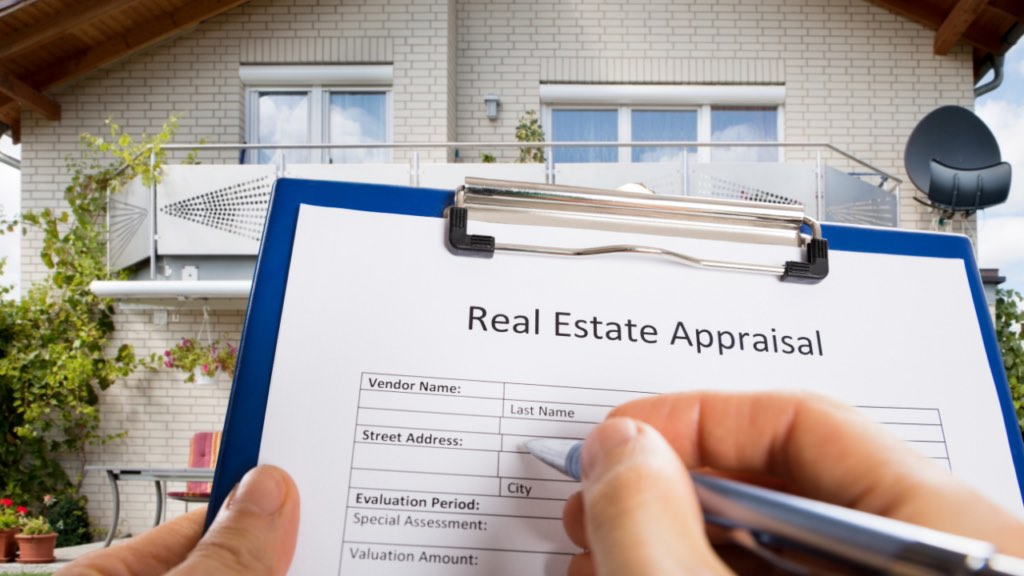
What is an appraisal gap, and how do I handle it as an immigrant homebuyer in Minnesota? An appraisal gap is the difference between your agreed price and a lower appraised value. When it happens, you can ask the seller to lower the price, cover some or all of the gap with your own cash, split it, or cancel if your purchase agreement allows. The steps are the same for every buyer, and your choice depends on your contract, your savings and how much you want the home.
What is an appraisal, and why does my lender order one?
An appraisal is a professional opinion of the home's value. Your lender orders it because the home secures the loan, and lenders base the loan on the home's value, not only on the price you agreed to pay. The Consumer Financial Protection Bureau says appraisers have to follow rules in arriving at a value, and lenders are not allowed to interfere with the appraiser's judgment.
Our article on what a home appraisal is and why it matters covers the appraisal itself. This article focuses on what to do when the number comes in low.
How does an appraisal gap work?
Here is a simple example. You agree to pay $400,000, and the home appraises at $380,000. The gap is $20,000.
Your loan amount is usually based on the lower of the price and the appraised value, so the lender will not lend against the extra $20,000. Someone has to close that gap, or the price has to change, or the sale may not go forward. Your lender confirms exactly how the numbers work for your loan.
What are my options when the appraisal comes in low?
- Ask the seller to lower the price. The CFPB calls this a good next step and says the appraisal is strong evidence that the price was above market value.
- Cover the gap with cash. You pay the difference at closing on top of your down payment and closing costs.
- Split the gap. You and the seller each cover part of it.
- Cancel the purchase. If the seller will not reduce the price, the CFPB says you may want to cancel, and it suggests talking with an attorney. Depending on your contract, there may be costs to cancel.
The CFPB also says it is very risky to buy a home for more than the appraised value. Weigh that risk with care before you add cash to cover a gap.
Timing matters too. Your purchase agreement sets deadlines for the appraisal and financing steps, and a low value can shorten the time you have to decide. Tell us the moment your lender shares the appraised value so we can move quickly with the seller.
Can I see the appraisal and question it?
Yes, you can see it. The CFPB says that for a first-lien mortgage, the lender must give you a free copy of all appraisals promptly after the report is completed and no later than three days before your loan closes. If you have not received it, ask your lender.
Read the report for factual errors, such as the wrong square footage, a missing bathroom or a wrong address. If you find one, ask your lender how it handles a request to review the appraisal. We can also share recent nearby sales that the appraiser may not have used. You can look up an appraiser's license through the Minnesota Department of Commerce license lookup.
How do I plan for a possible gap before I make an offer?
Your protection starts before the appraisal. In a competitive situation, some buyers offer to cover part of a gap to make their offer stronger. Only offer what you can truly afford, and leave room for closing costs and savings after closing.
- Ask your lender how a low appraisal would change the cash you need.
- Decide on the top amount you could cover before you write the offer.
- Talk with us about your appraisal contingency and what it allows.
An escalation clause can push your price up quickly, which can widen a gap. Our article on escalation clauses explains how the two fit together.
What if the extra cash comes from family or from abroad?
Lenders want to know where every dollar at closing comes from. If a relative gives you money to cover a gap, or if the money is in an account outside the United States, your lender may ask for gift letters, bank statements and transfer records.
Start that paperwork early, because it can take time. Our article on building a paper trail for your funds explains what lenders usually ask to see. Each lender and loan program sets its own rules, so confirm the details with yours.
Frequently asked questions
Who pays for the appraisal?
The buyer usually pays the appraisal fee as part of the loan costs. Your Loan Estimate shows the expected charge.
Does a low appraisal mean something is wrong with the home?
Not always. A low value can reflect recent sales nearby or a price that rose quickly in competition.
Can I get my earnest money back if the appraisal is low?
That depends on your purchase agreement and its appraisal or financing terms. Read your contract with your agent, and ask an attorney about your options.
Do cash buyers face appraisal gaps?
A cash buyer has no lender appraisal unless the buyer orders one, so the gap usually comes up with financed purchases.
Are you worried about an appraisal on a home you love? Send us a message or call (651) 661-4770. What questions do you have?