2026-06-08 · 4 min read · Minnesota
What Is Homeowners Insurance and How Much Is It in Minnesota?
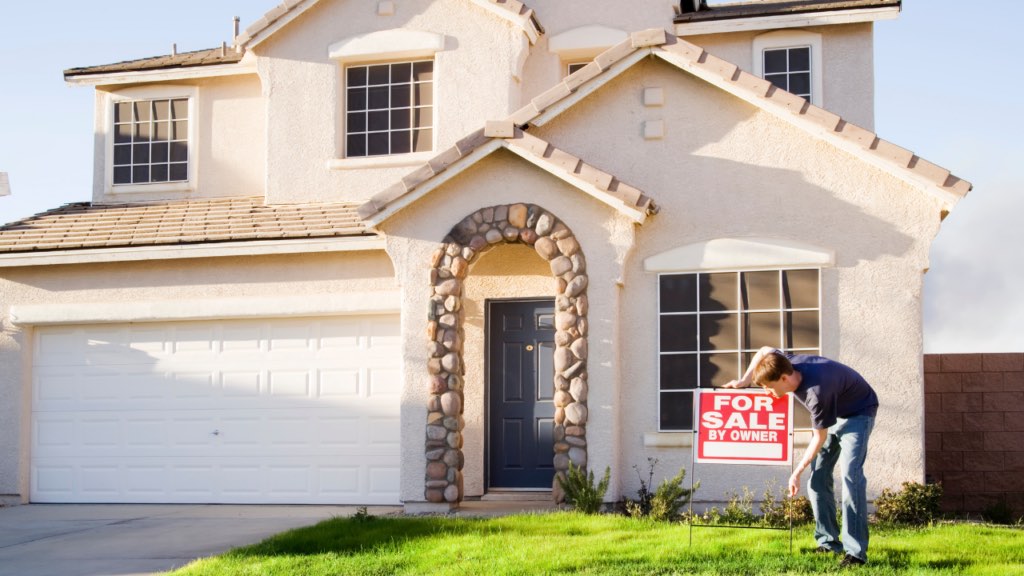
What is homeowners insurance, and how much does it cost in Minnesota? Homeowners insurance is a policy that pays for losses and damage to your home from covered events, such as a fire or a burglary, and lenders generally require it before they fund a mortgage. Your cost depends on the home, the coverage and the deductible you choose, so the real number comes from quotes on the specific home you plan to buy.
What does homeowners insurance cover?
The Consumer Financial Protection Bureau describes homeowners insurance as coverage that pays for losses and damage to your property if something unexpected happens, like a fire or burglary. It is also sometimes called hazard insurance.
Most policies are built from a few parts. Your agent or company can show you each one on the declarations page.
- The dwelling. This part pays to repair or rebuild the house after a covered loss.
- Other structures. This part can cover a detached garage, a fence or a shed, depending on the policy.
- Personal property. This part pays for your belongings after a covered loss.
- Liability. This part can help if someone is hurt on your property and you are found responsible.
- Loss of use. This part can help pay for a place to stay while a covered loss is repaired.
What does a standard policy usually leave out?
The CFPB says standard homeowners insurance does not cover damage from earthquakes or floods, though you may be able to add that coverage. The Minnesota Department of Commerce adds that flood damage needs a separate policy.
Commerce also lists common gaps that owners assume are covered when they are not. Ask about each one before you buy a policy.
- Sump pumps. Ask whether the policy pays for water damage when a sump pump fails or backs up.
- Sheds. Ask how the policy treats sheds and other detached structures.
- Trampolines and pools. Ask whether they change your coverage or your price.
- Valuables. Jewelry, art and antiques may need extra coverage.
- Home business. A home office or business may not be covered by a homeowners policy.
Why does my lender require homeowners insurance?
Your lender has money tied up in the home, so it wants the home protected. The CFPB explains that lenders generally require proof that you have homeowners insurance when you have a mortgage.
The CFPB also warns about what happens if coverage lapses. Your lender can buy insurance for you and charge you for it after giving you advance notice. That lender-bought policy may cover only the lender and may cost more than a policy you choose yourself.
How much does homeowners insurance cost in Minnesota?
We do not publish a single price, because quotes vary from home to home and company to company. Insurers can look at details such as the home's age, the roof, the coverage amounts and your deductible.
Here is how to get a real number for a home you are considering.
- Ask two or three insurance agents or companies for quotes on the specific address.
- Give each one the same coverage amounts and deductible so the quotes compare fairly.
- Ask whether each quote pays replacement cost or actual cash value, since Commerce lists that difference as a key item to review.
- Ask how the deductible works for wind and hail claims.
- Check the agent's license with the Minnesota Department of Commerce license lookup.
Your Loan Estimate also shows an insurance figure on page one, in the Projected Payments section, according to the CFPB. Treat it as the lender's estimate and compare it with your own quotes.
How do I pay for homeowners insurance?
Many owners pay through an escrow account. The CFPB explains that a portion of each monthly mortgage payment goes into that account, and your servicer pays the insurance bill when it comes due. Your premium can change from year to year, and your escrow payment changes with it.
You usually pay the first year of coverage before or at closing, which is one reason the cash you need at closing is more than your down payment. Our guide to closing costs in Minnesota shows where insurance fits.
Is homeowners insurance the same as mortgage insurance?
No. The CFPB states that homeowners insurance protects your property and is not the same as mortgage insurance. Mortgage insurance protects the lender if a borrower stops paying, and it applies to some loans with smaller down payments. Our article on private mortgage insurance explains the difference in detail.
Keep a simple home inventory once you move in. Commerce suggests creating one, and photos of each room with a list of major items make a claim easier to document.
Start shopping for insurance soon after your offer is accepted. A quote that arrives early gives you time to compare and keeps your closing on schedule. You can see the full timeline on our buying a home page.
Frequently asked questions
Do I need homeowners insurance if I pay cash?
No lender requires it when you pay cash. Many cash buyers still carry it because the home is a large asset to protect.
Does homeowners insurance cover floods in Minnesota?
A standard policy does not cover flood damage. The Minnesota Department of Commerce says you need a separate flood policy.
Can I pick my own insurance company?
Yes. The CFPB says you can shop separately for homeowners insurance and choose the provider and plan that fit you.
Should I review my policy every year?
The Minnesota Department of Commerce suggests a yearly review because coverage can change, especially for storm damage.
Want help planning the full monthly cost of a home, insurance included? Send us a message or call (651) 661-4770. What questions do you have?