2026-07-22 · 5 min read · Minnesota
Living in a Busy Area of Minneapolis: Daily Life and Transit
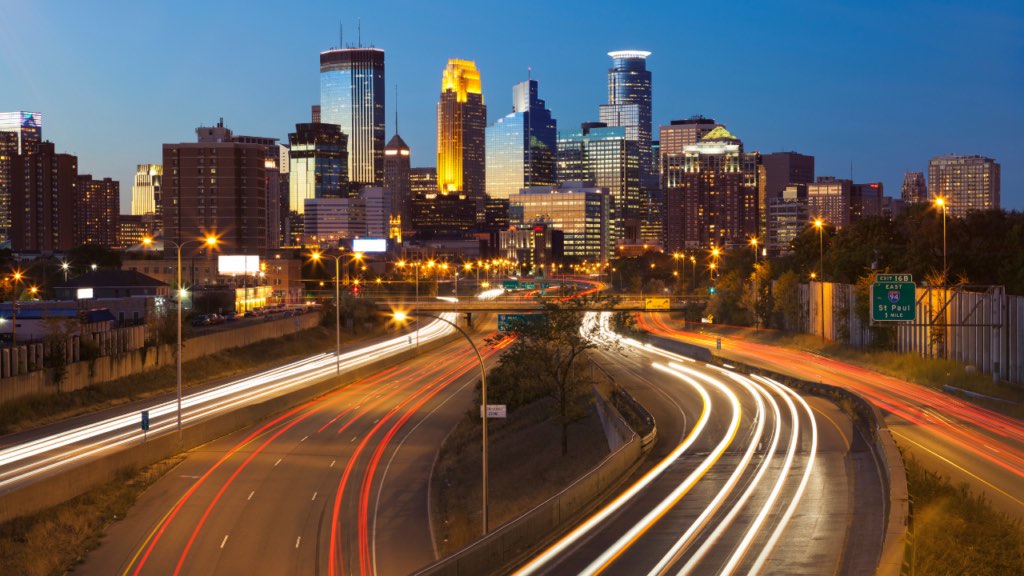
What is it like living in a busy area of Minneapolis? In the busier parts of Minneapolis, homes sit close to commercial streets, METRO rail and bus rapid transit stations, and large city parks, so many errands and trips can start on foot. The tradeoffs show up in street parking, winter snow emergency rules, and more traffic on the main corridors.
This guide covers daily life and getting around. If you want to know what kinds of homes these areas have and what to check before you buy, read our companion guide, homes in busy areas of Minneapolis and what to check.
Which parts of Minneapolis are the busy areas?
The City of Minneapolis maps 83 residential neighborhoods, and a few of them sit along its most active transit and shopping streets. The North Loop sits just northwest of downtown in the City's Central community. The area people call Uptown is not one official neighborhood. It covers parts of Lowry Hill East, South Uptown, East Isles and East Bde Maka Ska, around Hennepin Avenue and Lake Street.
Northeast Minneapolis is a City community of 14 neighborhoods east of the Mississippi River, and Route 10 runs up its Central Avenue. Lake Street crosses south Minneapolis from west to east and carries the METRO B Line.
How do people get around without a car?
Transit is the main daily difference in these areas. Here is what Metro Transit lists for each one:
- Target Field Station in the North Loop serves both the METRO Blue Line and the METRO Green Line.
- Uptown Transit Station in Lowry Hill East is a stop on the METRO E Line and Route 17.
- The METRO B Line runs along Lake Street, with stations at Lake & Hennepin, Lake & Chicago and Lake St/Midtown, where it meets the Blue Line.
- Route 10 runs up Central Avenue in Northeast, and Route 4 serves Johnson Street NE.
Metro Transit's trip planner shows times from a specific address. We suggest you test your real commute from each home you like before you write an offer.
How close are parks and trails?
Large parks sit close to several of these busy streets. Lake of the Isles Park covers 208.36 acres next to East Isles, with a 2.63-mile walking path, according to the Minneapolis Park and Recreation Board. Bde Maka Ska Park covers 518.86 acres and has a 3.1-mile walking path and three beaches.
In Northeast, Boom Island Park covers 22.5 acres on the river, and a pedestrian bridge connects it to Nicollet Island Park. Columbia Park covers 181.78 acres, including the Columbia Golf Course, and it connects to the trails of St. Anthony Parkway. The North Loop borders West River Parkway along the Mississippi.
What should I know about parking and snow emergencies?
Street parking works differently on busy blocks. Many condo and apartment buildings near commercial streets have assigned or garage spaces, and others have none. Ask the seller or the association how many spaces come with the unit and whether guest parking exists.
Winter adds one more rule. The City of Minneapolis declares snow emergencies, and cars parked on the wrong side of the street during plowing can be ticketed and towed. The City offers snow emergency alerts by sign-up, and its street parking map shows where you can park during each phase. If a home has no off-street parking, you will use those rules several times each winter.
What does a busy street feel like day to day?
A home on or near a commercial corridor puts shops, restaurants and transit stops within a short walk. The same streets carry buses, delivery trucks and evening traffic. A home one or two blocks off the main street often has the same walk to the corridor with less traffic on its own block.
We suggest three visits before you decide: one on a weekday morning, one on a weekday evening, and one on a weekend night. Stand outside the building and listen. Check where the nearest bus stop is, and look at what sits across the street. A home facing a bar, a bus stop or a loading dock will hear more activity than one facing a side street.
How do I compare busy areas with other parts of Minneapolis?
Start with the features you use every day. If you want rail transit at your door, the Blue and Green Line stations are fixed points you can map. If you want a large lake nearby, Lake of the Isles Park and Bde Maka Ska Park border East Isles and East Bde Maka Ska. If you want river trails and a large golf course park, Northeast has Boom Island Park and Columbia Park.
Our neighborhood finder lets you sort areas by the features you care about. If your job is downtown, our guide on where to live if you work in Minneapolis compares commutes. If you are moving from out of state, our relocation page explains how we tour homes for buyers who cannot visit often.
Frequently asked questions
Is Uptown an official Minneapolis neighborhood?
No, the City's neighborhood map does not include Uptown. The name usually covers parts of Lowry Hill East, South Uptown, East Isles and East Bde Maka Ska, around Hennepin Avenue and Lake Street.
Which busy areas have light rail?
Target Field Station in the North Loop serves the METRO Blue Line and Green Line. Lake St/Midtown Station on the Blue Line connects to the METRO B Line on Lake Street.
Do I need a car in a busy area of Minneapolis?
That depends on your trips. Test your commute and weekly errands with Metro Transit's trip planner from the exact address, and check how many parking spaces come with the home.
What happens to street parking in winter?
The City declares snow emergencies, and cars parked against the posted rules can be ticketed and towed. Sign up for the City's snow emergency alerts once you move in.
Want to tour homes near the streets you like? We can line up showings and pull recent sales for each block.
I'm Lesley, a REALTOR® with Bridge Realty, and we at Dream Homes Minnesota help buyers compare Minneapolis homes street by street. Send us a message or call (651) 661-4770 to set up a tour.