2026-06-20 · 4 min read · Minnesota
What Should Newcomers Check When Choosing a Minnesota Area?
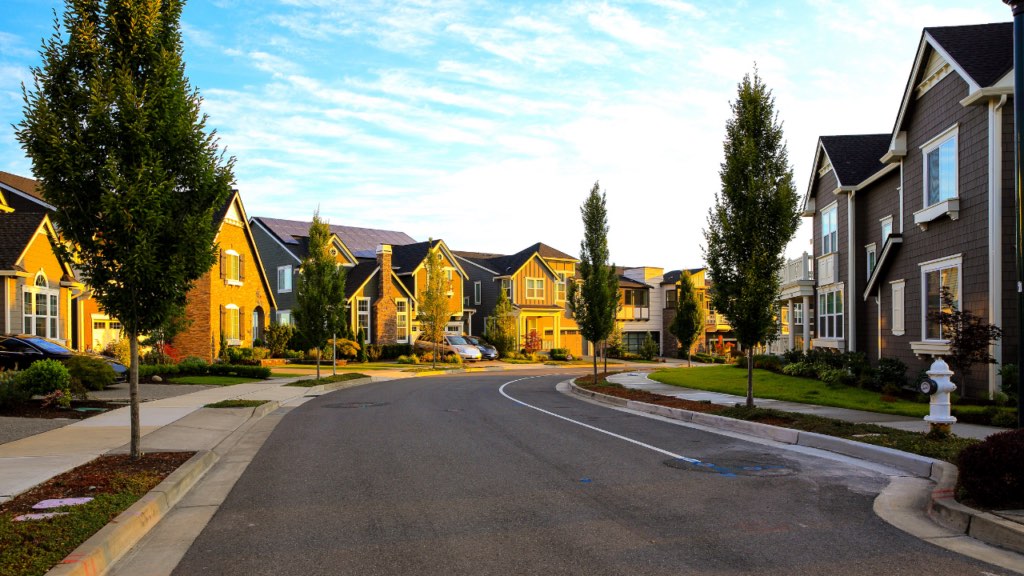
Which neighborhoods are right for newcomers moving to Minnesota? The answer depends on your work, your budget and the kind of home you want, so no single list fits everyone. We do not rank areas or tell you where to live. We help you check the same public facts for each place you consider, so you can compare them side by side and choose for yourself.
Why don't we give a list of neighborhoods?
Fair housing laws guide how we work, and every buyer chooses where to live. We describe homes, prices, commutes, parks and services. We do not describe who lives in an area or steer anyone toward or away from a place.
That rule works in your favor. A list written by someone else reflects their priorities, not yours. When you compare areas with facts, you end up with a choice that fits your week, your budget and your plans.
What facts should I compare first?
Start with the facts that change your daily life and your monthly payment. We suggest these five.
- Commute. Time the drive or the bus ride at the hour you would really travel.
- Home prices. Look at recent sales of the home type you want, not just a city median.
- Property taxes. Each county keeps the tax history for every home, so you can see what an owner pays.
- Home type. Some cities have mostly older homes, and others have more new construction or townhomes.
- Services. Note the distance to the stores, clinics, community centers and libraries you use.
How do I check the commute before I buy?
A map shows distance, but it does not show winter traffic or a bus transfer. Test the trip itself.
- The Metro Transit trip planner shows bus and light rail options between two addresses.
- Drive the route on a weekday morning and evening if you can.
- Ask whether your employer has more than one office, because your work location may change.
If you do not drive yet, or you will rely on transit at first, put transit access at the top of your list.
What do prices look like across the Twin Cities?
Prices vary a lot from one city to the next. Our market report shows October 2026 numbers from the Minneapolis Area REALTORS® for 22 Twin Cities communities. In that month, the median sale price ranged from $299,900 in Brooklyn Center to $755,000 in Edina.
A median is the middle sale in one month, so it does not tell you what a specific home will cost. A city with a higher median still has smaller homes, and a city with a lower median still has larger ones. We pull sales for the exact home type and size you want.
How do I weigh a lower price against a longer commute?
A home farther out can cost less to buy and more to reach. Add up both sides before you decide.
- Multiply your daily round trip by the number of workdays in a year to see the hours you would spend.
- Count the cost of gas, parking or a transit pass each month.
- Think about winter, when snow can add time to the same drive.
- Ask whether a second car would be needed, and what insurance would cost.
Sometimes the lower price still wins. Sometimes a smaller home closer in leaves more money and time each month. The numbers make the choice clear.
How do I check schools, services and records for one address?
School district lines do not always follow city lines. One city can be served by two or three districts, and boundaries can change. Call the district or use its address lookup to confirm the schools for a specific home before you make an offer.
For services, look up the nearest library, clinic, grocery store and park. The city website lists parks, trash and recycling rules, and the steps for permits if you plan to change the home later.
Several public sources also let you study an area on your own.
- Flood maps. The FEMA Flood Map Service Center shows the flood map for an address.
- Property records. The county shows the tax history, lot size and year built for each parcel.
- City plans. Each city publishes plans for roads, parks and new building.
- Radon. The Minnesota Department of Health explains radon testing and the disclosure a seller must give.
Our article on what to look for when you visit an area lists more questions to bring on a tour.
How do we help newcomers compare areas?
We start with a conversation about your work, your budget, the home type you want and how you get around. Then we pull recent sales and listings in every area you name, and we keep the comparison on facts.
Our neighborhood finder lets you sort areas by commute, home type and price. If you are moving from another country or another state, our relocation page explains how we plan a search from a distance.
Frequently asked questions
Can you tell me which neighborhood fits newcomers?
We cannot rank areas for any group of people. We can give you prices, commute times and public records for every area you want to compare.
Which city has the lowest prices?
In October 2026, Brooklyn Center had the lowest median sale price among the 22 communities in our market report, at $299,900. Prices change every month, so we check current sales for you.
How do I find out which school serves a home?
The school district can confirm it for the exact address. Boundaries can change, so check before you make an offer.
Can I compare areas before I move to Minnesota?
Yes. We can share sales data, video tours and public records while you are still away.
Ready to compare areas with real numbers? Send us a message or call (651) 661-4770. What questions do you have?