2026-07-10 · 4 min read · Minnesota
What Should I Do Right After Buying a Home in Minnesota?
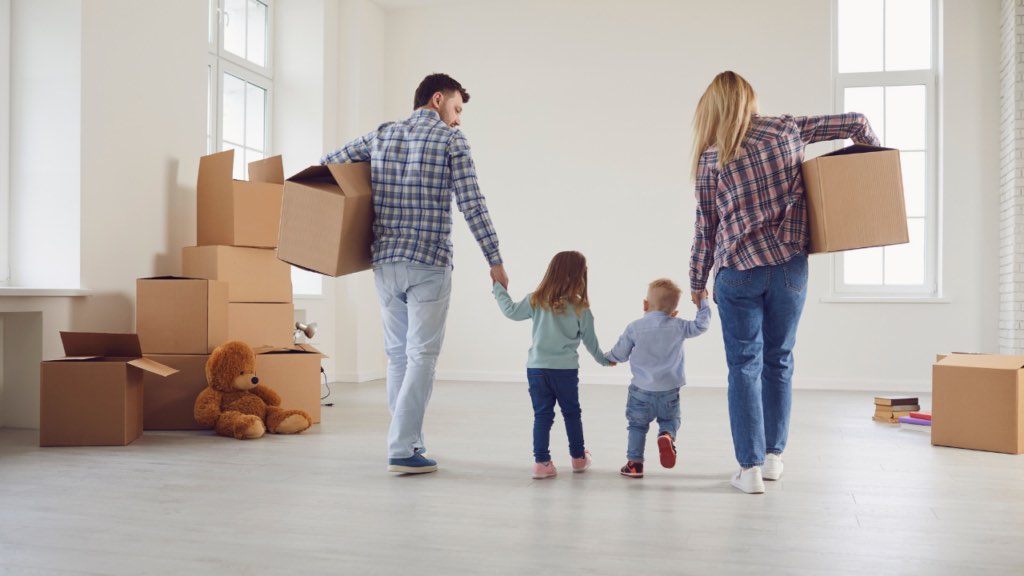
What should you do immediately after buying a home in Minnesota? In the first few weeks, save your closing documents, change the locks, update your address, apply for homestead with your county, and watch your mail for notices about your mortgage. Then take care of the home itself: test the alarms, plan a radon test, and learn where the main water and gas shutoffs are.
Here is the list we give buyers, in the order most people need it.
What should I do on closing day?
- Save your documents. Keep your Closing Disclosure, deed paperwork, loan documents and title insurance policy in one place, both paper and digital.
- Change the locks. You do not know how many keys are out there. Rekeying or replacing locks and garage codes is a simple first-day task.
- Confirm the utilities. Heat, power and water should already be in your name. Our article on utilities to set up after closing has the full list.
- Find the shutoffs. Learn where the main water valve, gas shutoff and electrical panel are before you need them.
Why does homestead matter so much?
Homestead classification affects your property taxes. The Minnesota Department of Revenue says that to qualify you must own the property, live in it as your sole or primary residence and be a Minnesota resident. It says to apply with your county assessor by December 31 to qualify for taxes payable the next year, and that once granted, you do not need to reapply.
Some counties send an application after a sale is recorded, but do not wait for one. Check your county assessor's website soon after you move in. Our article on how property taxes are calculated in Minnesota explains the rest.
What should I watch for from my mortgage company?
The company you send payments to can change after closing. The Consumer Financial Protection Bureau (CFPB) explains that servicing rights can be transferred, and that your old servicer generally should notify you at least 15 days before the transfer and the new servicer within 15 days after. The notice should list the new servicer's name, contact information and the date to start paying them.
Open every letter about your loan in the first few months. Scams sometimes copy these notices, so confirm any change by calling the number on your original loan documents or statement, not a number in a new letter alone.
Also check how your taxes and insurance are paid. The CFPB says many lenders collect them through an escrow account, and that escrow payments can change from year to year as taxes and premiums change.
How do I update my address?
File a change of address with the U.S. Postal Service, update your Minnesota driver's license or ID, update your vehicle records and voter registration, then update banks, employers and insurers. Our article on changing your address after buying a home covers each step, including the 60-day window DVS gives you for your license.
What should I check in the house in the first month?
- Alarms. Test every smoke and carbon monoxide alarm. The Minnesota State Fire Marshal publishes guidance on carbon monoxide alarm placement in homes.
- Radon. The Minnesota Department of Health recommends that every Minnesota home be tested. If the seller had a test, note its date and plan your own.
- Furnace and filters. Replace the furnace filter and schedule service if records are thin.
- Your inspection report. Reread it and make a list of the items you chose to handle after closing.
- Digging. Before any yard project, contact Gopher State One Call to have underground lines marked.
How do I keep good records from here?
Start a home file now. Keep receipts for repairs and improvements, appliance manuals, warranty information and service records. These records help at tax time, when you refinance, and when you sell, because buyers and their inspectors ask for them.
A simple folder on your computer with one subfolder per year works well. Photograph receipts the day you get them.
What about my homeowners insurance after closing?
Your policy usually starts on closing day. Save the policy number, the claims phone number and your agent's contact information with your home file. Read what the policy covers for water damage and sewer backup, since those questions come up often in Minnesota basements. If the seller offered a home warranty, save that contract too and note what it covers and how to file a claim.
What can wait until later?
Big renovations can wait. Living in the home through a season or two shows you how you actually use the space and what really needs work. Use the first months to fix what the inspection flagged, then plan the rest.
If you are new to Minnesota, our relocation page covers more of the move.
Frequently asked questions
When is the homestead deadline in Minnesota?
The Minnesota Department of Revenue says to apply with your county assessor by December 31 to qualify for taxes payable the next year.
Will my mortgage company change?
It can. The CFPB says you generally get notices before and after a servicing transfer.
Do I need to test for radon if the seller already did?
The Minnesota Department of Health recommends testing every home. A new test gives you a current reading.
Should I change the locks after closing?
Yes. Rekeying or replacing locks and garage codes is a simple step that most new owners take right away.
If you just closed and have questions about anything on this list, send us a message or call (651) 661-4770. We are still here after closing.