2026-07-08 · 5 min read · Minnesota
What Should I Know Before Buying a Fixer-Upper in Minnesota?
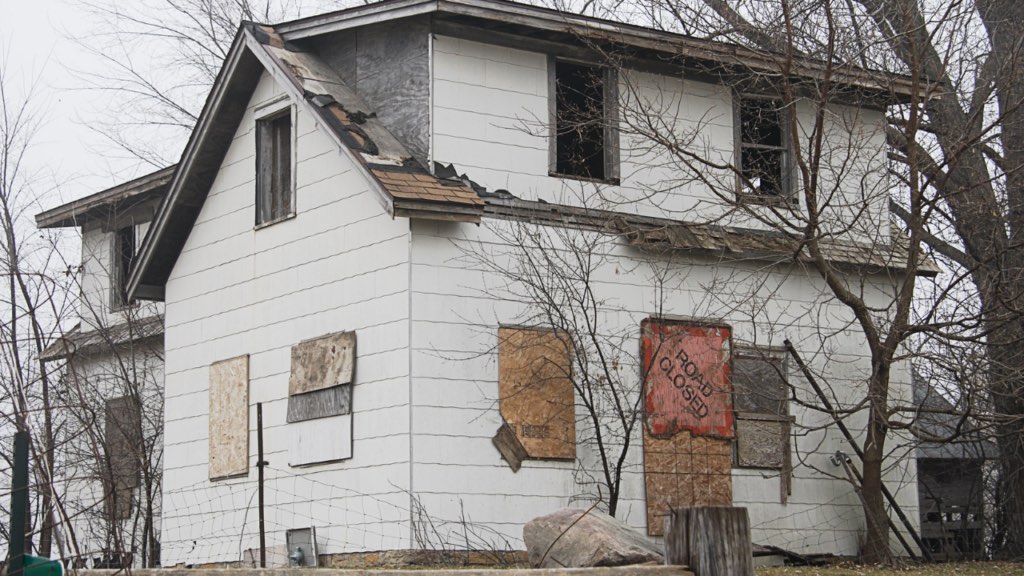
What should you know before buying a fixer-upper in Minnesota? You need to know what the work really is, what it costs, and how you will pay for it before your offer deadlines pass. That means a thorough inspection, contractor bids during your inspection period, a financing plan your lender has confirmed, and a cash cushion for the surprises older homes tend to hold.
What counts as a fixer-upper?
The word covers a wide range of homes. Sorting the work into three levels helps you see what you are taking on.
- Cosmetic work. Paint, flooring, light fixtures and landscaping. Many owners do some of this themselves.
- System work. The roof, furnace, water heater, electrical panel, plumbing and windows. This work usually needs licensed trades and permits.
- Structural work. Foundation repairs, water problems, moving walls or adding space. This is the most expensive level and the hardest to price before you open the walls.
A home that only needs cosmetic work is a very different purchase from one that needs a new roof and a foundation repair, even if the listing photos look similar. Our article on buying an older home in Minnesota covers the systems to look at first.
How do you find out what the work will cost?
The time to learn the cost is during your inspection contingency, not after closing. Plan to use that window fully.
- Book a general inspection right away. Our guide to the home inspection process in Minnesota explains what the inspector checks.
- Add specialists when the report points to them. A sewer line camera, a roofer, a structural engineer or an electrician can tell you more than a general inspector can.
- Test for radon. The Minnesota Department of Health says radon testing is not required in a sale, but it is highly recommended, and buyers and sellers can negotiate testing and mitigation.
- Get written bids. Ask two or three contractors to walk the home during your inspection period and quote the work in writing.
If the bids come in higher than you planned, your purchase agreement may let you ask for a repair, a credit, a lower price or to cancel within the contingency period. Read the dates in your contract so you know how much time you have.
How can you pay for the repairs?
Many buyers pay for the work from savings after closing. Others use a renovation loan, which rolls the cost of the work into the mortgage. Lenders and programs set the rules, and a lender confirms whether you and the home are eligible.
- FHA 203(k). HUD says the Limited 203(k) mortgage lets buyers finance up to $75,000 into the mortgage to repair, improve or upgrade a home. The Standard 203(k) covers major rehabilitation. HUD says the rehabilitation cost must be at least $5,000 and the total value must fall within the FHA mortgage limit for the area.
- Fannie Mae HomeStyle Renovation. Fannie Mae describes HomeStyle Renovation as a conventional option for buying a fixer-upper. Fannie Mae says it has no minimum dollar amount, and the contractor is subject to lender review.
Both programs pay contractors in stages as the work is checked, so the money does not all arrive at closing. Ask your lender early, because a renovation loan can add steps and time to your purchase.
Do you need permits and a licensed contractor?
Most system and structural work needs a permit from the city. HUD's 203(k) process, for example, says the contractor gets the necessary permits before the project starts. Call the city building department for the home's address and ask which projects on your list need a permit.
Before you hire anyone, check the contractor's license with the Minnesota Department of Labor and Industry's license and registration lookup. You can search as a guest. Also ask the seller whether past work, such as a finished basement, was done with permits. Unpermitted work can mean extra cost to correct later.
How big should your cash cushion be?
Older homes often hide problems behind walls and under floors. Set aside a cushion on top of your highest bid, and do not spend your whole budget on the purchase price. A few habits keep the project on track:
- Fix water, structure and failing systems before you spend on finishes.
- Get a written scope, price and timeline from each contractor.
- Decide whether you can live in the home during the work, or whether you need a place to stay.
- Keep receipts and permits in one folder for when you sell.
How do you know the price fits the work?
Compare the asking price with recent sales of similar homes nearby, both homes that sold in similar condition and homes that sold already updated. The gap between the two is the most the work is likely to add, and your total cost should fit inside it if you care about building equity. Our guide on how to tell if a home is overpriced walks through the comparison. City sale prices for October 2026 are on our market report.
Frequently asked questions
Can I buy a fixer-upper with an FHA loan?
HUD's 203(k) program lets eligible buyers include repair costs in an FHA-insured mortgage. A lender that offers 203(k) loans confirms whether you and the home qualify.
Should I skip the inspection on a fixer-upper to make my offer stronger?
Skipping the inspection is a bigger risk on a fixer-upper than on most homes. The inspection and contractor bids are how you learn what the work will cost.
Do I need a permit to finish a basement in Minnesota?
Permit rules are set by each city. Call the building department for the home's address before you start the work.
Can I do the work myself?
Many owners do cosmetic work themselves. Renovation loans have their own rules about who can do the work, so your lender explains what is allowed.
Looking at a home that needs work? Send us a message or call (651) 661-4770. What questions do you have?