2026-06-04 · 4 min read · Minnesota
What Should I Know Before Buying From a Minnesota Builder?
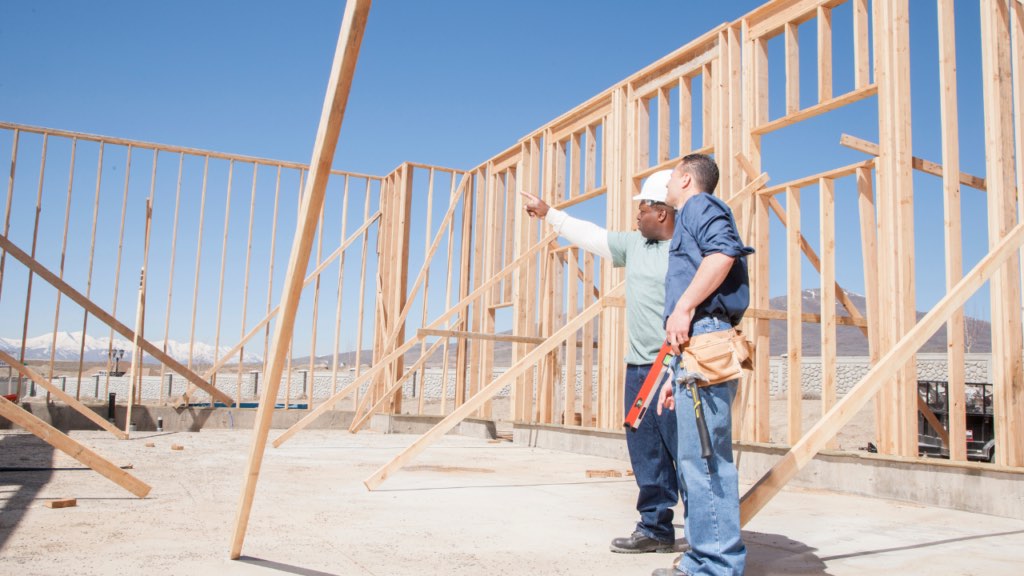
What should you know before buying from a builder in Minnesota? Check the builder first, then read the money terms in the contract: deposits, delays, change orders and incentives. Plan your loan, your rate lock and your current lease around a build schedule that can move. A builder purchase follows the builder's own process, so it pays to learn that process before you sign.
How do you check out a builder?
Start with the license. The Minnesota Department of Labor and Industry runs a free license and registration lookup. You can search residential contractor licenses and see whether there are enforcement actions against a license. Write down the exact business name on the contract and search that name.
Then look at the builder's finished work.
- Drive through a community the builder finished a few years ago and look at how the homes have held up.
- Ask the builder for a copy of its written warranty and its process for warranty requests.
- Ask how long the builder has built in Minnesota and how many homes it builds a year.
- Read public reviews, and weigh patterns more than any single review.
We describe homes and builders by their records, not by opinions about who lives in a community. Your own visits and the public record give you the facts.
What do the deposit and contract terms usually cover?
Builder contracts are usually written on the builder's own forms, and they differ from the standard forms used for resale homes. Read these terms closely.
- Earnest money. Find out how much is due, when it is due and when it becomes nonrefundable.
- Upgrade deposits. Many builders ask for extra money when you choose options. Check whether you get it back if the sale does not close.
- Completion date. Look for an estimated date and the language that lets the builder extend it.
- Change orders. See how changes after signing are priced and approved.
- Financing terms. Check what happens if your loan is not approved, and whether the contract requires a specific lender.
- Inspection access. Ask whether your inspector can visit before the drywall goes up and before closing.
If a term is unclear, ask for the explanation in writing. You can also have a real estate attorney review the contract before you sign.
How do builder incentives and lender rules fit together?
Builders often offer incentives, such as credits toward closing costs, a rate buydown or upgrade credits. Lenders have limits on these credits. For loans sold to Fannie Mae, the Fannie Mae Selling Guide (B3-4.1-02) treats the builder as an interested party. It does not permit interested party contributions to pay your down payment or your financial reserves, and it caps financing concessions at a percentage that depends on how much you borrow compared with the home's value.
In plain terms, an incentive can help with closing costs, but it cannot replace your own down payment, and a very large credit may not all count. Ask your lender how a builder's incentive fits your loan before you choose between a credit and a lower price. You can read more about these offers in our article on whether builders pay closing costs.
The builder's preferred lender may tie the incentive to using that lender. You can still compare offers. The Consumer Financial Protection Bureau suggests you request loan estimates from at least three lenders.
How does the build schedule affect your loan and your move?
A home built from the ground up can take months, and weather, permits and materials can move the date. That timing affects three things.
- Your rate lock. Ask your lender how long a lock can last, what an extension costs and who pays it if the build runs late.
- Your lease. Ask your landlord about month-to-month options before your lease ends.
- Your documents. Your lender may need fresh pay stubs and bank statements close to closing, so keep your finances steady during the build.
Avoid new credit, large purchases and job changes while the home is being built. Talk to your lender before any change in income or debt.
What protections do you have after closing?
Minnesota law gives every buyer of a new home a set of statutory warranties. Under Minnesota Statutes 327A.02, the home must be free from defects caused by faulty workmanship and defective materials for one year, from faulty installation of plumbing, electrical, heating and cooling systems for two years, and from major construction defects for ten years, due to noncompliance with building standards.
Reporting matters. Minnesota Statutes 327A.03 lists loss or damage not reported to the builder in writing within six months after you discover it, or should have discovered it, as an exclusion. Keep a dated, written list of every issue, send it to the builder in writing and keep copies.
Our guide on what to check in a new construction community covers lot plans, association documents and the warranty paperwork you should collect.
Frequently asked questions
Can I use my own lender with a builder?
Most buyers can choose their own lender, though an incentive may depend on the builder's lender. Compare the full loan estimates before you decide.
What happens if the builder finishes late?
The contract usually sets out how the builder can extend the date. Read that language and ask how a delay affects your rate lock.
How do I check a builder's license in Minnesota?
The Minnesota Department of Labor and Industry has a free lookup. You can search without an account by choosing to continue as a guest.
Do I need my own agent with a builder?
The builder's sales team works for the builder. Your own agent can review the contract terms and track the build for you.
We help buyers check builders, compare incentives and plan the timeline before any deposit goes down. Send us a message or call (651) 661-4770. What questions do you have?