2026-05-15 · 4 min read · Minnesota
How Do I Lower Card Balances Before a Mortgage in Minnesota?
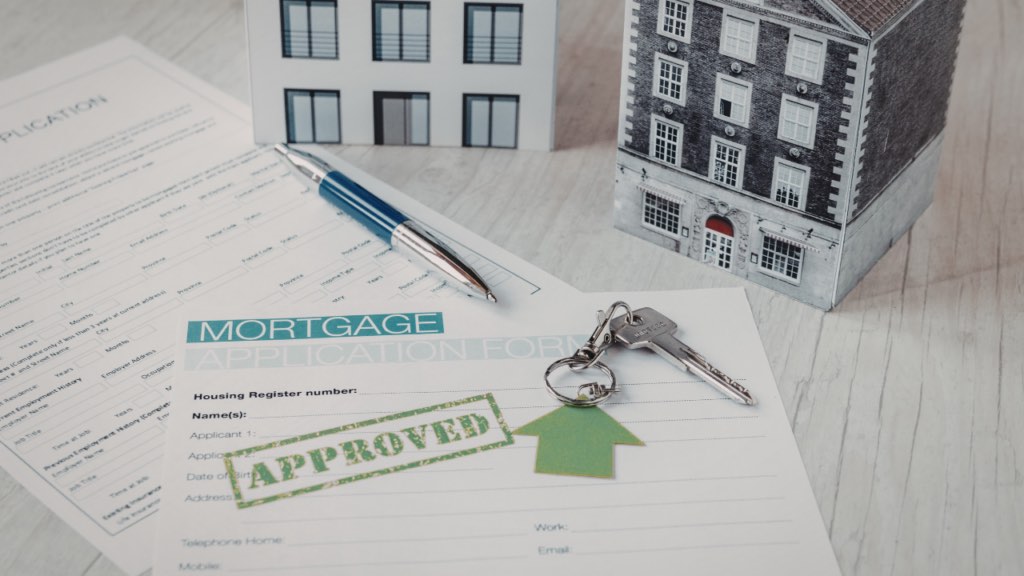
How do you lower your credit card balances before you apply for a mortgage in Minnesota? List every card with its balance and limit, pay down the cards closest to their limits first, keep your older cards open and avoid new credit. Talk with a lender before you use savings, because the same money may be needed for your down payment and closing costs.
Our article on what credit utilization to keep before a mortgage explains the ratio itself. This one is the step-by-step plan.
Why do card balances matter to a mortgage lender?
The CFPB says credit scoring models look at how much of your credit limit you are using, and it notes that many experts recommend using less than 30 percent of your total limit. Lenders look at the pattern too. Fannie Mae's Desktop Underwriter guidance says a borrower who uses revolving accounts conservatively, meaning low utilization or regular payoff of the balance, is considered lower risk. Its manual underwriting guidance says recently opened accounts at or near their limits may show a borrower is overextended.
Step 1: What should I write down?
Make a simple table with one row for each card. A notebook works fine.
- Write the name of each card and the credit limit.
- Write the current balance and the minimum payment.
- Write the payment due date and the statement closing date from your statement.
- Divide each balance by its limit so you can see which card is closest to full.
- Add all balances and all limits to see your overall ratio.
Step 2: Which balance should I pay first?
Start with any card at or near its limit, since a full card stands out on a report. Then work on the card with the next highest ratio. Paying every card on time, every time, still comes first. The CFPB says most credit scores treat repayment history as the number one factor.
Ask each card company when it reports your balance to the credit reporting companies. Many people pay before the statement closes so the reported balance is lower, but the reporting date varies by company, so ask instead of guessing.
Step 3: What should I avoid while I pay down?
- Do not close older cards to look tidy. The CFPB says closing a card can raise your utilization ratio and lower your score.
- Do not open a new card to spread out balances during the months before you apply.
- Do not finance furniture or a car before closing, since new debt changes your numbers.
- Do not move large sums between accounts without a paper trail, because a lender may ask where money came from.
The CFPB says applying for other credit right before or during the mortgage process adds inquiries that can lower your scores.
Step 4: Should I use savings to pay cards off?
That decision belongs in a conversation with your lender. Paying a card down can help your score and your monthly debt numbers, but the cash may also be needed for your down payment, closing costs and any reserves your program requires. A lender can show you both sides with your real numbers. Our guide to closing costs in Minnesota helps you see the full cash picture.
Step 5: How do I check that it worked?
Pull your reports again after the next statements post. The CFPB says you can view your reports for free once a week. Check that each new balance shows correctly and that no account is listed twice. If a balance is wrong, the CFPB explains how to dispute an error. Then share the updated picture with your lender. A clean, current report gives the lender fewer questions to ask and gives you a clearer sense of where you stand before you make an offer.
What does this look like in real life?
Here is an example with a buyer who has two cards. One has a $1,000 limit and a $900 balance. The other has a $5,000 limit and a $500 balance. Overall, the buyer uses $1,400 of $6,000. The first card is at 90 percent of its limit, so it is the first one to pay down. The overall balance is $700 of $6,000 once the buyer pays that card down to $200. The buyer keeps both cards open, pays on time and brings the new reports to the lender.
We are not lenders. Lenders and loan programs set the credit rules, and a lender confirms what applies to your file. We connect buyers with lenders early so the plan is set before you tour homes.
Frequently asked questions
Is there one utilization number every lender wants?
No. The CFPB notes that many experts suggest staying under 30 percent of your total limit, and your lender explains how your loan program looks at your balances.
Should I close a card after I pay it off?
Ask your lender first. The CFPB says closing a card can raise your utilization ratio and lower your score.
Does paying in full each month help?
The CFPB says you do not need to carry a balance to get a good score. Paying the balance in full each month also keeps interest costs down.
Can I check my own credit without hurting my score?
Yes. The CFPB says checking your own credit does not affect your credit scores.
If you want a lender to look at your card balances with you before you start touring homes, we can make that connection. Send us a message or call (651) 661-4770. What questions do you have?