2026-07-01 · 4 min read · Minnesota
How Do I Find a Minnesota Home With More Space?
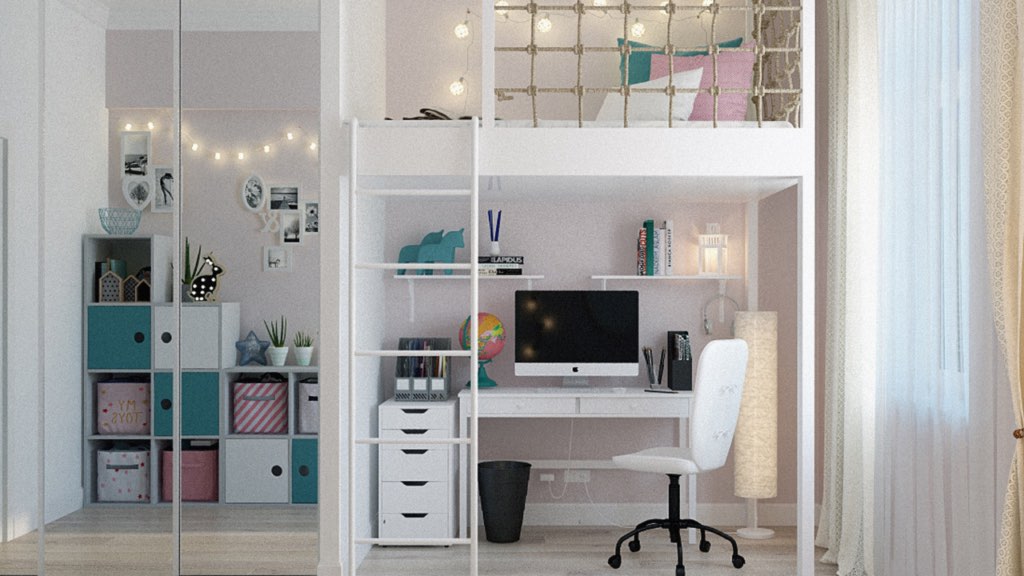
How do you find a Minnesota home with more space? First decide which kind of space you need: more finished square footage, more bedrooms, a bigger garage or a larger lot. Then search by those numbers across a wide map instead of by city, and check the county record, the city or township zoning rules and the flood map for any home or lot you are serious about.
What kind of space do you actually need?
"More space" means different things to different buyers. Naming yours keeps the search focused.
- Living space. More finished square footage, an extra bedroom, a main-floor office or a finished basement.
- Storage and work space. A third garage stall, a workshop, a shed or room for a boat or camper.
- Land. A bigger yard, room for a garden, or acreage with privacy from the road.
Write down a number for each one that matters, such as "four bedrooms" or "at least half an acre." Those numbers become your search filters. If you are moving up from a smaller home, our move-up buyer page covers how to plan the sale and the purchase together.
How do you read square footage in a listing?
Square footage in Minnesota listings can be counted in different ways, so read it closely.
- Finished versus total. Some listings show total square footage, which can include an unfinished basement. Look for the finished figure.
- Above grade versus below grade. Many Minnesota homes have finished basements. Basement space can feel different from main-floor space, with smaller windows and lower ceilings.
- Room sizes. Two homes with the same square footage can live very differently. Check room dimensions and the layout, not only the total.
When the size matters to your offer, measure the rooms yourself during a showing or ask the appraiser's figure once you are under contract.
How do you search for a bigger lot?
Most home search tools let you filter by lot size. Set a minimum, then search by drawing an area on the map around your commute rather than choosing cities. Save the search so new listings that match reach you the day they post. Larger lots often sit at the edges of suburbs, in older neighborhoods with wide parcels, or in townships outside city limits.
Check the lot size against the county property record. County records describe each parcel, and many counties let you search by address. A survey, if one exists, shows the exact boundaries. Ask the seller for it, and consider ordering one if the lines matter to your plans for a fence, a shed or a garden.
What can you do with the land?
A big lot is only useful if the rules let you use it the way you want. Call the city or township planning office for the address and ask:
- Which zoning district the parcel is in.
- Whether you can add a detached garage, a shed or a workshop, and how large.
- What the fence and setback rules are.
- Whether animals such as chickens are allowed.
- Whether any easements cross the property, such as utility or drainage easements.
Also look up the address on FEMA's Flood Map Service Center, which FEMA calls the official public source for flood hazard information. Low parts of a large lot can sit in a flood zone even when the house does not. If any part of the parcel is mapped in a flood zone, ask your insurance agent and your lender how it affects you before your contingency dates pass.
What changes when you move beyond city services?
Homes on larger lots outside city limits often come with a private well and a septic system instead of city water and sewer, and with township or county roads. Each one has its own upkeep and inspections. Our article on buying in rural vs suburban Minnesota explains what to check for each.
If you are looking at farmland or a large rural parcel, our farmland buyer page covers the extra steps.
How does more space change your monthly cost?
A bigger home or lot changes more than the price. Plan for each of these:
- Property taxes, which you can look up in the county record for the exact parcel.
- Heating and cooling for more square footage through a Minnesota winter and summer.
- Snow removal on a longer driveway.
- Mowing and yard care on more land, including equipment.
- The commute, if the extra space comes from moving farther out.
Ask the seller for a year of utility bills, and drive the commute at rush hour. Our article on buying near work or farther out for space shows how to put a number on that trade-off.
Frequently asked questions
Does finished square footage include the basement in Minnesota?
Listings can include a finished basement in the finished square footage. Read the listing details for above-grade and below-grade figures.
How can I check the lot size of a Minnesota home?
The county property record lists parcel details, and a survey shows the exact boundaries. Ask the seller whether a survey exists.
Can I build a shed or a second garage on my lot?
The city or township zoning rules decide that. Call the planning office for the address before you make an offer.
Do homes on large lots have city water?
Some do, and many outside city limits use a private well and septic system. The listing and the city or county can confirm which the home has.
Looking for more room? Send us a message or call (651) 661-4770. What questions do you have?