2026-06-20 · 4 min read · Minnesota
Can I Buy a Duplex and Live in One Unit as an Immigrant in MN?
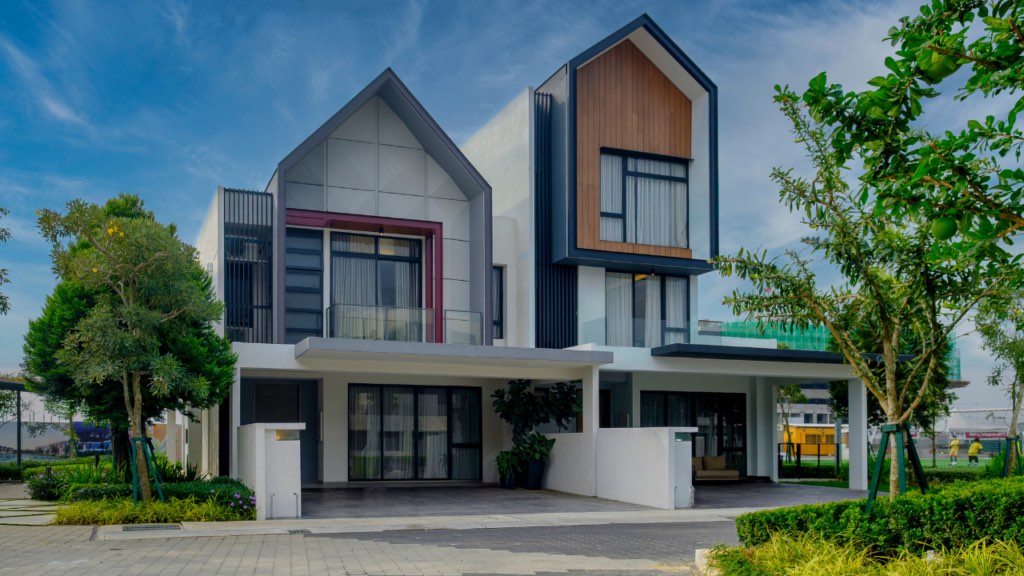
Can you buy a duplex and live in one unit as an immigrant in Minnesota? Often, yes. Many loan programs allow a buyer to purchase a two-unit home and live in one unit, and some can count part of the rent from the other unit. The lender reviews your residency documents, income, savings and the property's leases, and the lender confirms which programs fit. The work is mostly in the paperwork, so this guide lists what to prepare.
Does my residency status change the rules?
For loans sold to Fannie Mae, the Selling Guide (B2-2-02) explains that Fannie Mae buys mortgages made to non-citizens who are lawful permanent or non-permanent residents of the United States under the same terms available to citizens. Fannie Mae does not list the exact documents. The lender decides which ones to collect based on your case.
Government-backed programs have their own rules. Lenders and programs set the requirements, and your lender tells you which loans fit your documents. Ask early, before you start touring duplexes.
What documents should I gather about myself?
Every lender has its own checklist, but these items come up often. Having them ready can shorten the process.
- Residency and identity: Bring the documents your lender asks for, and note any expiration dates.
- Income: Recent pay stubs, W-2 forms and tax returns are common requests.
- Bank statements: Lenders look at several months and ask about large deposits.
- Current housing payment: Fannie Mae's rental income topic (B3-3.8-01) lists ways to document it, including direct verification from a management company or at least six months of bank statements or canceled checks.
- Gift letters: If family helps with the down payment, ask the lender how to document the gift.
The housing payment record matters for a duplex. Under Fannie Mae's rules, the lender must document your current housing payment before it can use any rent from the other unit. Our guide on building a clean paper trail shows how to keep those records in order.
What documents should I get about the duplex?
The property has its own paperwork. Ask for these items before your inspection period ends.
- Current leases: Fannie Mae's subject property topic (B3-3.8-02) calls for a copy of the signed lease when a lease will transfer to you.
- Rent appraisal: For a purchase, Fannie Mae's guide calls for a Small Residential Income Property Appraisal Report, Form 1025, to support the rents.
- Utility bills: Ask which utilities are shared and which are separate for each unit.
- Seller disclosure: Minnesota Statutes 513.55 requires a written disclosure of material facts the seller knows about.
- City records: Ask the city whether the property needs a rental license and whether any inspections are open.
How does the lender treat the rent?
On a purchase, Fannie Mae's B3-3.8-02 topic has the lender take 75 percent of the monthly gross rent and subtract the home's full monthly payment. If you have less than 12 months of experience managing rentals, a positive result can only offset that payment. It cannot be counted as extra income.
The same topic notes that rent from the unit you live in generally does not count. Your lender runs the numbers for your file, and other programs may calculate rent differently.
How much money will I need?
Plan for three separate amounts: the down payment, the closing costs and reserves. Fannie Mae's minimum reserve requirements (B3-4.1-01) set six months of reserves for a two- to four-unit principal residence when the loan runs through Desktop Underwriter. Reserves are counted in months of the full housing payment and must remain after closing.
Programs may also set a different minimum down payment for a two-unit home than for a one-unit home, so ask your lender for both figures. Keep a personal emergency fund on top of that. A duplex has two kitchens, two water heaters and often two furnaces to maintain.
What happens with tenants already living there?
When you buy a duplex with a tenant, the lease usually stays in place, and you become the landlord. Read the lease before you sign, so you know the rent, the end date and who pays which utilities. The Minnesota Attorney General's Office has a handbook, Landlords and Tenants: Rights and Responsibilities, that summarizes your duties.
If you want the other unit empty for a relative, ask when the current lease ends before you write the offer. Whether a lease can end early depends on its terms and on Minnesota law, so plan around the date in the lease.
For the full picture of living in one unit and renting the other, read our articles on house hacking for immigrant buyers and buying a duplex as a first home, step by step.
Frequently asked questions
Do I have to live in the duplex?
Owner-occupant loans require you to live in one unit. Your lender explains how long and what counts as living there.
Can a lawful permanent resident buy a duplex?
Yes. Fannie Mae buys loans made to lawful permanent and non-permanent residents under the same terms as citizens, and your lender can tell you which documents it needs.
Will the rent from the other unit help me qualify?
It can. Under Fannie Mae's rules, the lender uses 75 percent of the gross rent and limits how it counts if you have less than 12 months of landlord experience.
Can I buy a duplex with tenants in place?
Yes. The lease usually transfers to you, and the lender may ask for a copy of it.
Do you want help finding a duplex and lining up the paperwork? Send us a message or call (651) 661-4770. What questions do you have?