2026-06-04 · 4 min read · Minnesota
How Long Does It Take to Build a Home in Minnesota?
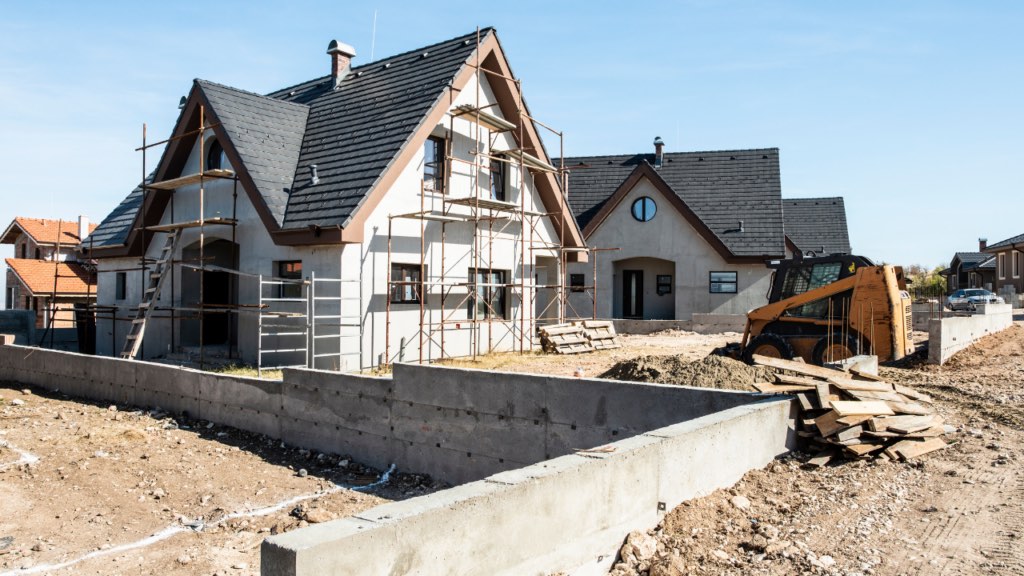
How long does it take to build a home in Minnesota? The answer depends on whether you buy a finished quick move-in home, a to-be-built home on the builder's plans or a custom home, and on the builder, the lot and the season. No single number fits every build. The builder's written schedule for your specific lot is the estimate to plan around, and the contract says how firm that estimate is.
The builder's purchase agreement sets most of the rules for your home. We explain how it works, and an attorney can answer legal questions about your contract.
Which kind of new home am I buying?
New construction falls into three broad types, and each one runs on a different clock.
- Quick move-in homes. The builder started or finished these homes before a buyer signed. The timeline can feel close to buying a resale home, because most of the construction is already done.
- To-be-built homes. You pick a plan and a lot in a community, choose finishes and wait while the builder constructs the home from the ground up.
- Custom homes. You work with a builder on a design of your own, often on land you own. Design, engineering and permits add steps before construction starts.
The type you choose sets the starting point for every other date in your plan. Our article on finding new construction homes in the Twin Cities explains how to search for each type.
What are the stages of a build?
Most to-be-built homes move through the same broad stages. Knowing them helps you read the builder's updates.
- Contract and financing. You sign the builder's purchase agreement and start the loan process with a lender.
- Selections. You choose finishes such as flooring, cabinets and fixtures, often at a design center.
- Permits and site work. The builder gets permits, and crews prepare the lot and dig the foundation.
- Framing and rough-ins. Crews frame the home and run wiring, plumbing and ductwork inside the walls.
- Inspections. The local building official inspects the work at required stages.
- Finish work. Drywall, cabinets, flooring, siding and fixtures go in.
- Final steps. The home receives its final approval, you walk through it with the builder and then you close.
Each stage depends on the one before it. A delay at the foundation stage pushes every later stage back, so the early stages have a large effect on your closing date. We watch those early milestones closely for you.
What can stretch the timeline?
Weather, materials, labor, permits, utility connections and change orders can all add time. Minnesota winters can slow digging and exterior work, and a late shipment can hold up the next crew. Our article on what happens if new construction is delayed covers how the contract handles a late date and how to protect your plans.
How do I get a reliable estimate?
We ask the builder for specifics instead of a general range. These questions help:
- What is the estimated completion date for this lot, in writing?
- How firm is that date under the contract?
- When are my selection deadlines, and what happens if I miss one?
- How will the builder update me on progress?
- How close did recent homes in this community finish to their estimates?
We also check the builder's license in the Minnesota Department of Labor and Industry license and registration lookup before you sign. The builder's answers and the contract language together give you a clearer picture than a sales brochure.
Keep every date the builder gives you in writing, along with the name of the person who gave it. A written trail helps you and your lender plan, and it helps if the schedule changes later.
How does build time affect my loan and my move?
A longer build means more time between signing and closing. Your lender sets how long a rate lock lasts, and a lock that expires before closing may need an extension. Ask the lender about options for a home still under construction before you choose a loan.
Build time also shapes your lease or the sale of your current home. We plan your move around a range of dates rather than one fixed day. Our article on selling and buying at the same time covers ways to line up both moves.
Can I shorten the wait?
- A quick move-in home skips most of the construction wait.
- Making your selections early keeps the build from pausing for decisions.
- Avoiding change orders after construction starts keeps the schedule steady.
- Getting your loan application in early keeps financing from becoming the last step to finish.
Frequently asked questions
Is a quick move-in home faster than a to-be-built home?
Yes, it usually is. Most of the construction on a quick move-in home is finished or under way when you sign.
Does the builder's estimated date bind the builder?
The contract decides how firm the date is. Many builder contracts state an estimate that can move for listed reasons.
Do winter months slow construction in Minnesota?
Snow and frozen ground can slow digging and exterior work. The builder can tell you how the season affects the schedule for your lot.
When should I talk to a lender about a new build?
Talk to a lender before you sign the builder's contract. The lender can explain rate lock options for a home under construction.
Are you thinking about building a home? Send us a message or call (651) 661-4770. What questions do you have?