2026-06-08 · 4 min read · Minnesota
How Much Should I Budget for Home Repairs in Minnesota?
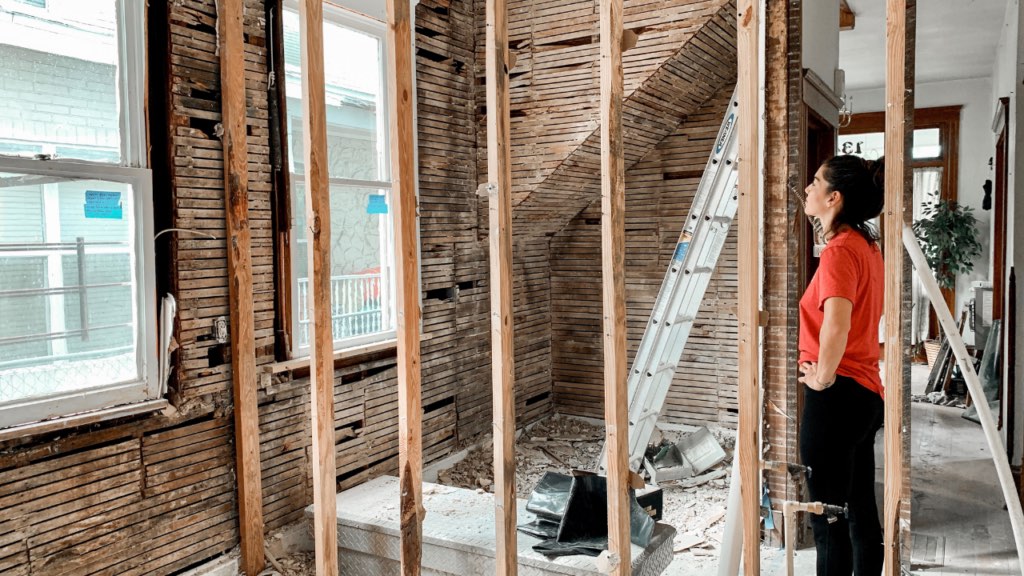
How much should I budget for home repairs each year in Minnesota? The right amount depends on the home's age, its condition and how much life its big systems have left. A single percentage for every house can leave you short on an older home and over-saved on a new one, so we build the budget from the inspection report and the home's own history instead.
What is the difference between maintenance and repairs?
Maintenance is the planned work that keeps a home running, such as furnace service, gutter cleaning and caulking. Repairs are the fixes you make when something wears out or breaks, such as a water heater that stops heating or a roof that leaks after a storm.
A good budget covers both. Maintenance is easier to predict, and steady maintenance often makes repairs smaller.
How do I build a repair budget for a specific home?
Start with the documents you get during the purchase. Each one tells you something about what is coming.
- The inspection report. It lists items that need attention now and items that are near the end of their life.
- The seller's disclosure. It shows what the seller knows about past problems and past repairs.
- System ages. Write down the age of the roof, furnace, air conditioner, water heater and windows.
- Service records. Ask the seller for receipts and warranties, which can show what was replaced and when.
Next, make a simple list with three columns: what needs work this year, what will likely need replacing in the next few years, and what is newer. Then ask a contractor or two for rough replacement quotes on the items in the first two columns. Those quotes, spread over the years you expect them, become your yearly target.
Which Minnesota repairs should I plan for?
Our climate puts specific stress on a home. These items come up often in Minnesota inspections and ownership.
- Heating. The furnace works hard for much of the year, so its age and service history matter.
- Roofs and gutters. Snow, ice and hail can wear on shingles, flashing and gutters.
- Basement water. Spring melt can test grading, gutters, sump pumps and foundation walls.
- Driveways and steps. Freeze and thaw cycles can crack concrete and asphalt.
- Radon. The Minnesota Department of Health says every Minnesota home should be tested for radon, and it reports that more than two in five Minnesota homes have radon levels that pose a significant health risk. MDH says a mitigation system is recommended when the level is 4 pCi/L or higher.
If a home has a private well or septic system, add regular water testing and septic pumping to the plan as well.
Does a newer home need a repair budget?
It needs a smaller one, but it still needs one. Minnesota law gives buyers of new homes a statutory warranty from the builder. Under Minnesota Statutes section 327A.02, the home must be free from defects caused by faulty workmanship and defective materials due to noncompliance with building standards for one year, from faulty installation of plumbing, electrical, heating and cooling systems for two years, and from major construction defects for ten years.
That warranty covers defects tied to building standards, not normal wear or damage you cause. Keep your closing papers and builder documents together, and read the warranty terms so you know how to file a claim.
Where should I keep my repair fund?
Keep it separate from your everyday checking account so it is ready when something breaks. Many owners add a set amount each month, the same way they pay a bill.
Your repair fund is different from your emergency savings, which cover a job loss or a medical bill. You can see how the two work together in our article on emergency savings after closing.
Check the fund once a year. If the inspection list shows a big item getting close, such as a roof or a furnace near the end of its life, raise the monthly amount so the money is ready when the work is due.
How can the inspection lower my first-year repairs?
The inspection is your strongest chance to learn about big items before you own them. If the report turns up a problem, you may be able to ask for a repair, a credit or a price change during your inspection period, depending on your purchase agreement.
Our guide to the home inspection process in Minnesota explains the timeline. We read the report with you and help you decide what to ask for, so fewer surprises land in your first year. You can see the whole buying path on our buying a home page.
Frequently asked questions
Is there a rule for how much to save for repairs?
People use several rules of thumb, but no single figure fits every home. A budget built from the home's age and inspection report is more useful.
Does homeowners insurance pay for repairs?
Insurance can pay for damage from covered events, such as some storms or a fire. It does not pay for normal wear, like an old furnace that stops working.
Should I test a Minnesota home for radon?
The Minnesota Department of Health says every Minnesota home should be tested for radon. You can test during the purchase or after you move in.
Do new homes come with a warranty in Minnesota?
Yes. Minnesota Statutes section 327A.02 sets one-year, two-year and ten-year warranty periods for new homes, tied to defects from noncompliance with building standards.
Want help turning an inspection report into a repair plan? Send us a message or call (651) 661-4770. What questions do you have?