2026-06-24 · 4 min read · Minnesota
Is Minnesota Too Cold to Live Comfortably?
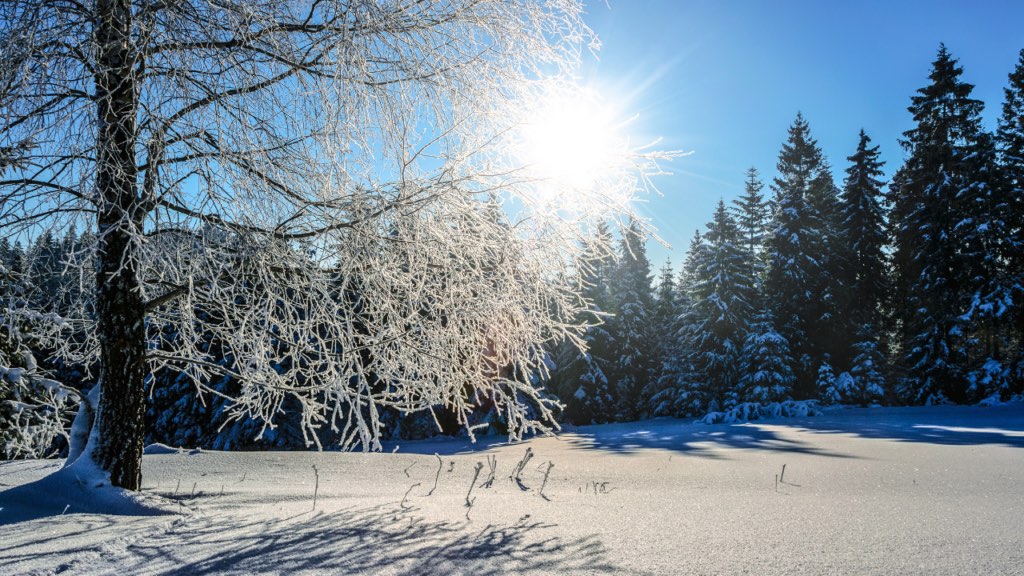
Is Minnesota too cold to live comfortably? Minnesota winters are cold, and the official data shows it. Comfort, though, depends far more on the home you live in and how you prepare than on the number in the forecast. A sound furnace, good insulation, tight windows and an attached garage change how winter feels day to day, and those are things you can check before you buy.
How cold does it actually get?
The Minnesota DNR State Climatology Office lists Twin Cities climate normals for 1991 to 2020. On January 15, the normal high is 23°F and the normal low is 8°F. Below-zero days also happen, and a normal is an average, not a promise for any single day.
Wind makes it feel colder. The National Weather Service explains that wind chill is how cold people and animals feel outside. At 0°F with a 15 mph wind, the wind chill is -19°F, and the NWS says exposed skin can freeze in 30 minutes at that level. The NWS also says wind chill does not cool objects like water pipes below the actual air temperature. That matters for a home: the air temperature, not the wind chill, is what your pipes and furnace face.
What makes a Minnesota home comfortable in winter?
Homes here are built for months of heating. When we tour homes with buyers, we look closely at:
- The heating system. Ask for the furnace or boiler age and service records. Many homes heat with a forced air furnace, and some use boilers or in-floor heat.
- Insulation and air sealing. Attic insulation and sealed gaps keep heat in and help prevent ice dams at the roof edge.
- Windows and doors. Drafts, fogged glass between panes and worn weatherstripping all affect comfort and heating bills.
- The garage. An attached garage means you get into a car that is out of the snow.
- The entry. A mudroom or closet near the door keeps boots and coats organized.
A home inspection is where these get a professional look. Our guide to the home inspection process in Minnesota explains what to expect.
What winter health items should I check in a home?
Closed-up winter homes need a few protections.
- Carbon monoxide alarms. The State Fire Marshal's carbon monoxide guidance places alarms within 10 feet of bedrooms. It also addresses homes with fuel-burning appliances and attached garages.
- Radon. The Minnesota Department of Health recommends testing every Minnesota home. It says homes here are closed up or heated most of the year, which can result in higher radon levels.
- The gas meter. State pipeline regulators at Minnesota DPS ask homeowners to keep the gas meter clear of snow and ice, because ice can block the regulator vent.
How does the cold affect a typical day?
Daily life follows the same routine as anywhere else, with a few added steps. You check the forecast, dress in layers, allow extra time to clear the car and drive at speeds that match the roads. Cities plow the streets and declare snow emergencies when they need parking cleared. Homeowners clear their own walks and driveways or hire a service.
The cold is easier when the basics are handled before winter: a serviced furnace, a snow removal plan, winter boots and a car kit. Our guide on handling a Minnesota winter turns that into a checklist.
How do I test a home's comfort before I buy?
If you tour in winter, you get a live test. Feel for drafts near windows and outlets, notice whether rooms far from the furnace stay warm, and look at the roof edge for heavy icicles. Ask the seller for past heating bills if they will share them. In any season, ask your inspector about the furnace age, the attic insulation and the condition of the windows.
If you are moving from a warmer state, our relocation page explains how we help you compare homes from a distance.
What does winter cost, and is it the whole story?
Plan the budget side, too. Ask the seller or the utility for the home's average heating bills, and set aside money for snow removal, winter boots and coats, and a car kit in your first year. Those costs are predictable once you know them, and they help you compare two homes on more than price. A home with newer windows and a well-insulated attic can cost less to heat than a larger or older one next door.
Winter is also one of four seasons. The DNR's normal high on July 15 in the Twin Cities is 84°F, and spring and fall sit in between. A home that handles winter well usually needs attention to drainage in spring and cooling in summer, too.
Frequently asked questions
What is a normal January day like in the Twin Cities?
The DNR lists a normal high of 23°F and a normal low of 8°F on January 15, based on 1991 to 2020 data. Some days are much colder than that.
Does wind chill freeze my pipes faster?
The National Weather Service says wind chill does not cool objects like water pipes below the actual air temperature. Wind can cool them to that temperature more quickly.
Should I test a Minnesota home for radon?
Yes. The Minnesota Department of Health recommends that every Minnesota home be tested for radon.
Where do carbon monoxide alarms go?
The State Fire Marshal guidance places carbon monoxide alarms within 10 feet of bedrooms in a dwelling. Check the guidance for homes with attached garages or fuel-burning appliances.
Worried about the cold? Send us a message or call (651) 661-4770, and we will help you find a home that handles winter well. What questions do you have?