2026-06-24 · 5 min read · Minnesota
How Do You Handle a Minnesota Winter as a Newcomer?
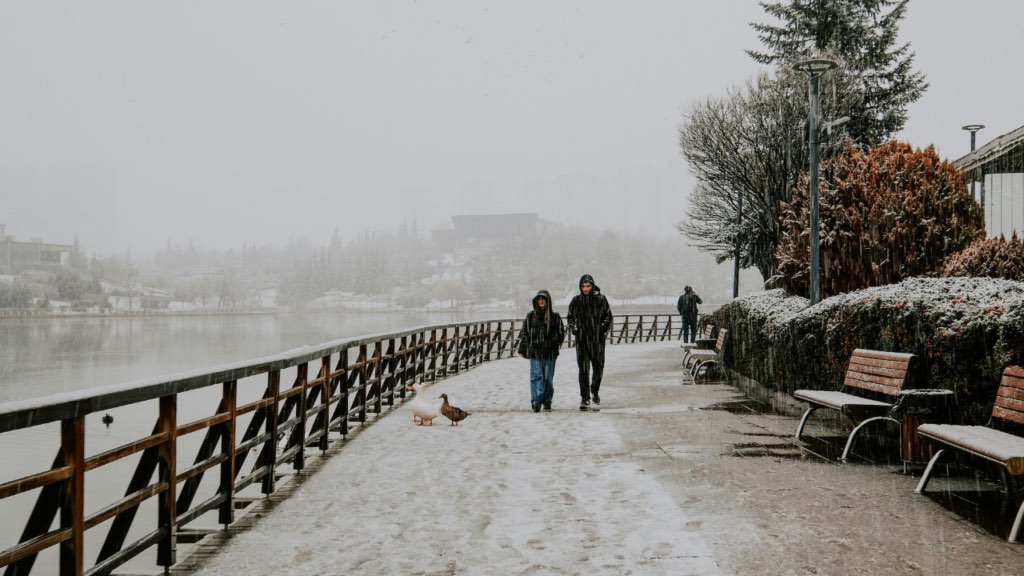
How do you handle a Minnesota winter as a newcomer? You prepare three things before the snow arrives: your home, your car and your daily routine. A serviced furnace, working alarms, a snow removal plan, a winter car kit and the right clothing take most of the stress out of the season. This guide turns that into a checklist you can work through in the fall, based on guidance from Minnesota state agencies and the National Weather Service.
How do I get my home ready?
Your home does most of the work in winter, so start there. A fall checklist covers the essentials:
- Heating. Schedule a furnace or boiler service and stock replacement filters. Learn where the shutoff and the filter slot are.
- Carbon monoxide alarms. The State Fire Marshal's carbon monoxide guidance places alarms within 10 feet of bedrooms. Test them and replace any that sound an end-of-life signal.
- Radon. The Minnesota Department of Health recommends testing every Minnesota home. It says homes closed up or heated most of the year can have higher radon levels.
- Pipes. Shut off and drain outdoor faucets, and know where your main water shutoff is.
- Gutters and roof edge. Clean gutters in the fall. Attic insulation and ventilation help prevent ice dams, which form when snow melts on a warm roof and refreezes at the edge.
- Gas meter. State pipeline regulators at Minnesota DPS ask homeowners to keep the gas meter clear of snow and ice, using a hand or a small broom, because ice can block the regulator vent. They also say using a snow blower near the meter can be dangerous.
If you are still shopping for a home, our guide to whether Minnesota is too cold to live comfortably covers what to look for in a winter-ready house.
How do I plan for snow removal?
Decide before the first storm who clears the driveway and walks. Your options are a shovel, a snowblower or a plowing service, and a long or sloped driveway takes more time and equipment. Some townhome and condo associations handle snow removal, so read the association rules.
Cities set their own rules for sidewalks and parking. In Minneapolis, the city's sidewalk snow clearing rules require owners of single-family homes and duplexes to clear sidewalks within 24 hours after it stops snowing, and they say it is against the law to shovel snow into streets or alleys. During a declared snow emergency, the City of Minneapolis uses parking rules and a map so plows can clear streets. Sign up for alerts in your own city.
How do I get my car ready?
Minnesota DPS lists winter driving guidance on its winter driving page. Highlights include:
- Keep a scraper and brush, a small shovel, jumper cables, a tow chain and a bag of sand or cat litter for traction in the car.
- Add blankets, heavy boots, warm clothing, a flashlight and high-energy food.
- Clear snow and ice from all windows, the hood, the headlights and the brake lights before you drive.
- Stay at least 10 car lengths behind snowplows, and skip cruise control on snowy or icy roads.
- If you get stranded, stay in the vehicle.
- Call 511 or visit 511mn.org for road conditions.
An attached garage makes every one of these easier, since the car starts the day out of the snow.
How do I dress and plan for the cold?
Layers, an insulated coat, waterproof boots, gloves and a hat cover most days. The National Weather Service explains that wind chill is how cold it feels on exposed skin. At 0°F with a 15 mph wind, the wind chill is -19°F, and the NWS says exposed skin can freeze in 30 minutes. On those days, cover your skin and keep trips outside short.
Check the National Weather Service Twin Cities forecast each morning in winter. A storm forecast can change when you leave, what you wear and where you park overnight.
How do I make winter something to look forward to?
Pick one outdoor activity and one indoor routine. Outside, the DNR's winter guide to state parks and trails covers snowshoeing, cross-country skiing, sledding, fat biking and candlelight events. Inside, community centers, pools, libraries and gyms keep a schedule going on the coldest days. Our article on what to do in a Minnesota winter lists more options.
When should I start getting ready?
Start in early fall. The DNR's Twin Cities snowfall normals, based on 1981 to 2010, show 0.6 inches of snow in October and 9.3 inches in November, so the window for outdoor prep closes quickly. Book the furnace service, buy boots and a coat, stock the car kit and set up city alerts before Halloween. Our article on what winter is really like walks through the season month by month.
Frequently asked questions
What is the first thing to do before winter?
Schedule a furnace or boiler service. The heating system runs for months, and a fall service catches problems before the cold arrives.
Where should carbon monoxide alarms go?
The State Fire Marshal guidance places carbon monoxide alarms within 10 feet of bedrooms in a dwelling.
Why should I keep the gas meter clear?
Minnesota DPS says ice or snow can block the meter regulator vent and cause a malfunction. Clear it by hand or with a small broom.
What goes in a winter car kit?
Minnesota DPS lists a scraper and brush, a small shovel, jumper cables, a tow chain, sand or cat litter, blankets, boots, warm clothing, a flashlight and high-energy food.
How soon do I have to shovel in Minneapolis?
Minneapolis requires owners of single-family homes and duplexes to clear sidewalks within 24 hours after it stops snowing. Other cities set their own rules.
Moving here before your first winter? Send us a message or call (651) 661-4770, and we will help you find a home that is ready for the season. What questions do you have?