2026-06-24 · 4 min read · Minnesota
What Can You Do in Winter in Minnesota?
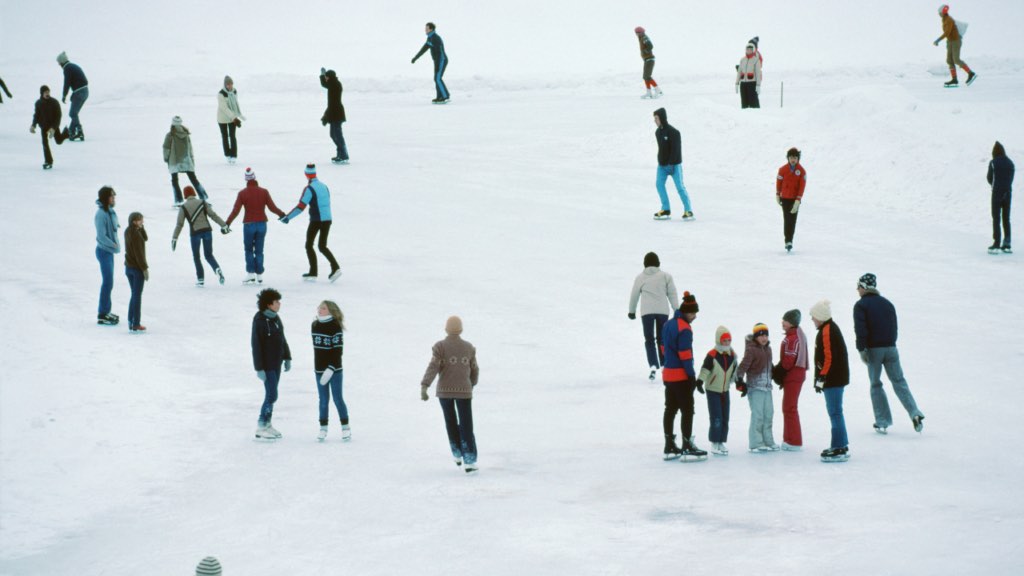
What can you do in winter in Minnesota? Winter here offers skating, sledding, snowshoeing, cross-country skiing, fat biking, ice fishing, winter camping and candlelight events, plus indoor options for the coldest days. Much of it happens in public parks close to home. This guide groups the options, points to official sources for planning, and covers what a home needs to make an active winter easier.
What can you do on snow?
The Minnesota DNR's winter guide to state parks and trails lists the main snow activities in state parks:
- Snowshoeing. The DNR says you can snowshoe anywhere in state parks and recreation areas except on trails groomed for another activity, such as skiing or snowmobiling. Some parks rent snowshoes, including Afton and Fort Snelling, though rentals may not always be available.
- Cross-country skiing. State parks, regional parks and many city parks groom ski trails.
- Fat biking. Bikes with wide tires ride on packed snow trails in some parks.
- Sledding. Many parks have sledding hills, and some state parks list them in the winter guide.
- Winter hiking and camping. Some state parks keep trails and campsites open in winter.
- Snowmobiling. The DNR winter guide also covers snowmobile trails in state parks.
What can you do on ice?
- Skating. Many cities flood outdoor rinks in parks, and indoor arenas offer open skating.
- Hockey. Youth, high school, college and adult leagues play through the winter, and many outdoor rinks have hockey boards.
- Ice fishing. People fish from portable shelters and fish houses on frozen lakes.
Before going on any lake, check the DNR's ice thickness guidelines. They say to stay off new, clear ice under 4 inches, and they list 4 inches for activities on foot and 5 to 7 inches for a snowmobile or small ATV. The DNR notes that white ice is about half as strong as new, clear ice and that it does not measure ice on Minnesota lakes. The DNR's ice pages also cover carbon monoxide in ice shelters.
What events happen in winter?
- Candlelight events. The DNR lists candlelight events at state parks, where trails are lit for evening skiing, snowshoeing or hiking.
- Winter festivals. Cities and community groups hold winter festivals, ice sculptures and outdoor markets. Check each city's events calendar for dates.
- Guided programs. State parks run naturalist programs, beginner snowshoe outings and First Day Hikes on New Year's Day.
What can you do indoors on the coldest days?
On days with dangerous wind chill, indoor options fill the calendar. The National Weather Service says that at 0°F with a 15 mph wind, the wind chill is -19°F and exposed skin can freeze in 30 minutes. On those days, people use indoor pools, gyms, community centers, libraries, museums, theaters, malls and indoor sports facilities. Many city community centers have walking tracks for winter.
How do I stay comfortable outside in winter?
Comfort outdoors comes down to clothing and timing. Dress in layers you can remove as you warm up, with a waterproof outer layer, insulated boots, a hat and mittens or gloves. Cover your face and keep outings short when the wind chill drops. Check the National Weather Service forecast before you go, and plan longer outings for the warmest part of the day. On the ice, carry the gear the DNR recommends on its ice pages and check thickness as you go. Bring water and a snack, since cold weather burns energy.
What does a home need for an active winter?
An active winter is easier when the home is set up for it. Features to look for include:
- Gear storage. Skis, sleds, skates and a snowblower need room in the garage, a shed or a dry basement.
- A drying spot. A mudroom, a bench by the back door or a utility sink keeps wet gear contained.
- An attached garage. You load and unload gear out of the snow.
- Distance to parks and rinks. We look up the parks, rinks and trailheads near any home you consider.
Our guide to outdoor activities in Minnesota covers the rest of the year, and our article on what winter is really like covers the temperatures and snowfall.
How do newcomers get started?
Start small. Buy good boots, a warm coat, gloves and a hat, then try one activity at a nearby park. Rent before you buy equipment, where rentals are available. Use the DNR winter guide and your city's recreation catalog to find beginner programs. If you are moving here, our relocation page explains how we help you get settled.
Frequently asked questions
Can I snowshoe anywhere in a state park?
The DNR says you can snowshoe anywhere in state parks and recreation areas, except on trails groomed for another activity such as skiing or snowmobiling.
How thick should ice be for ice fishing on foot?
The DNR guideline is 4 inches of new, clear ice for activities on foot. It says to double the guideline on white ice and to check the ice yourself.
What are candlelight events?
Candlelight events are evening programs at state parks, where the DNR lights trails for skiing, snowshoeing or hiking.
What can I do when it is too cold to go outside?
Indoor pools, gyms, community centers, libraries, museums and indoor sports facilities stay open through the winter.
Want a home near the rinks, trails or lakes you would use in winter? Send us a message or call (651) 661-4770. What questions do you have?