2026-06-24 · 4 min read · Minnesota
What Is Winter Really Like in Minnesota?
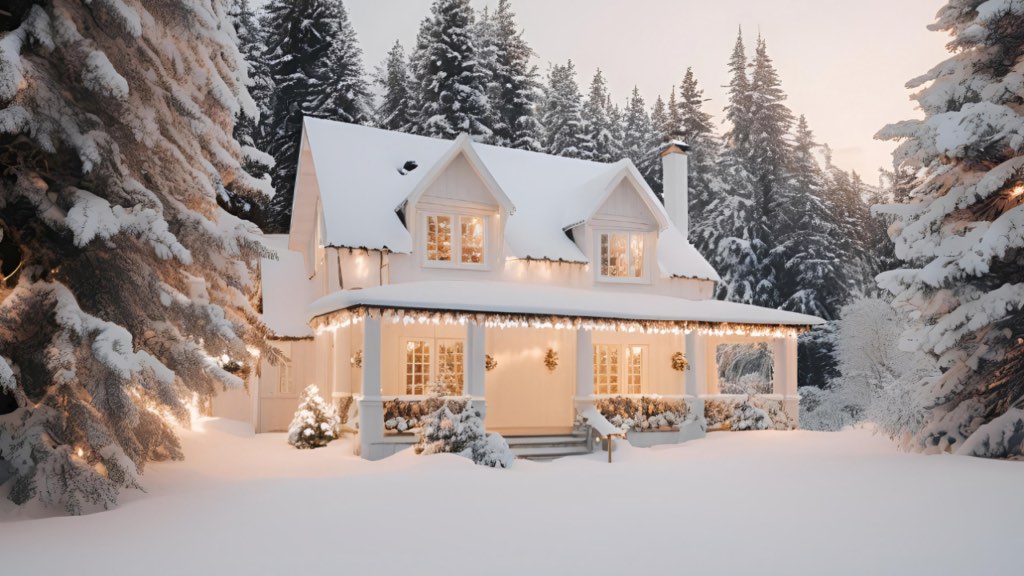
What is winter really like in Minnesota? Winter here runs from about November through March. In the Twin Cities, the normal high on January 15 is 23°F and the normal low is 8°F, and the area gets about 54 inches of snow in a normal season. Daily life keeps going, with plowed roads, open businesses and homes built for heating. This guide walks through the season month by month using official data, then covers what winter means for buying or selling a home.
How cold does it get?
The Minnesota DNR State Climatology Office publishes Twin Cities climate normals, measured at Minneapolis-St. Paul International Airport. For 1991 to 2020, the normal high on January 15 is 23°F and the normal low is 8°F. Those are averages. Some days are well above freezing, and below-zero stretches also happen. The DNR's climate pages list the all-time records for every date, and its State Climatology Office covers the rest of the state, where northern areas run colder.
What is wind chill?
The National Weather Service explains that wind chill is how cold people and animals feel when outside, based on how fast exposed skin loses heat. At 0°F with a 15 mph wind, the wind chill is -19°F, and the NWS says exposed skin can freeze in 30 minutes at that level.
Wind chill does not apply to your house. The NWS says objects like car radiators and water pipes do not cool below the actual air temperature, though wind can cool them to that temperature faster. When you think about your home's pipes and heating, watch the air temperature.
How much snow falls, and when?
The DNR's Twin Cities snowfall page lists these monthly normals, based on 1981 to 2010:
- October has a normal of 0.6 inches.
- November has a normal of 9.3 inches.
- December has a normal of 11.5 inches.
- January has a normal of 12.1 inches.
- February has a normal of 7.8 inches.
- March has a normal of 10.2 inches.
- April has a normal of 2.5 inches.
That adds up to a normal of 54.0 inches a season. Snow usually comes in a series of storms rather than all at once, and single seasons can run well above or below the normal.
What does winter look like week to week?
A typical winter week involves checking the National Weather Service forecast, clearing the driveway after a storm and leaving extra time to drive. Minnesota DPS says on its winter driving page that wintertime leads to the most crashes on Minnesota roads, and it recommends driving at speeds that fit conditions and staying 10 car lengths behind plows.
Cities declare snow emergencies so plows can clear streets. The City of Minneapolis posts its parking rules and a map, and each suburb posts its own. In 2026, Minnesota DPS held Winter Hazard Awareness Week from November 16 to 20, and its page has information on storms, extreme cold, heating, carbon monoxide and winter driving.
Outdoor life continues, too. The DNR's winter guide to state parks covers skiing, snowshoeing, sledding and candlelight events. Our guide on handling a Minnesota winter turns all of this into a preparation checklist.
What does winter mean for my home?
A Minnesota home runs its heating system for months. During winter, the main items to watch are:
- The furnace runs for months, so change the filter on schedule.
- Carbon monoxide alarms belong within 10 feet of bedrooms, according to the State Fire Marshal's guidance.
- The roof edge shows heavy icicles when heat escapes into the attic and ice dams form.
- The gas meter needs to stay clear, and state pipeline regulators at Minnesota DPS explain how to keep it clear of snow and ice.
Can I buy or sell a home in winter?
Yes, you can. Homes sell all winter in Minnesota, and the season has its own advantages.
- Buyers see the heating system, windows and insulation working in real cold. Snow can hide the roof and yard, so your inspector notes what was not visible, and you can ask about the roof age and records.
- Sellers show a warm, well-lit home with clear walks and a shoveled driveway. Photos of the yard from warmer months help buyers picture the outdoor space.
Winter moves take a little extra planning. Ask the seller to clear the driveway and walks before the final walkthrough and on moving day. Book movers who work in winter, protect floors from snow and salt, and keep the heat on while doors are open. Set up utilities in your name before closing so the furnace never shuts off between owners.
If you are weighing a winter listing against a spring one, our sell now or wait page helps you decide with current numbers.
Frequently asked questions
How cold is a normal January day in the Twin Cities?
The DNR lists a normal high of 23°F and a normal low of 8°F on January 15, based on 1991 to 2020 data.
How much snow does the Twin Cities get?
The DNR lists a normal of 54.0 inches a season, based on 1981 to 2010 normals. January has the highest monthly normal at 12.1 inches.
Does wind chill affect my pipes?
The National Weather Service says wind chill does not cool objects like water pipes below the actual air temperature.
When does winter start in Minnesota?
Snow can start in October, and the DNR monthly normals show most Twin Cities snow falling from November through March.
Do homes sell in winter?
Yes, they do. Winter lets buyers see how a home heats, and sellers can show it with clear walks and good lighting.
Thinking about a winter move or listing? Send us a message or call (651) 661-4770. What questions do you have?