2026-06-24 · 4 min read · Minnesota
What Is Fall Like in Minnesota?
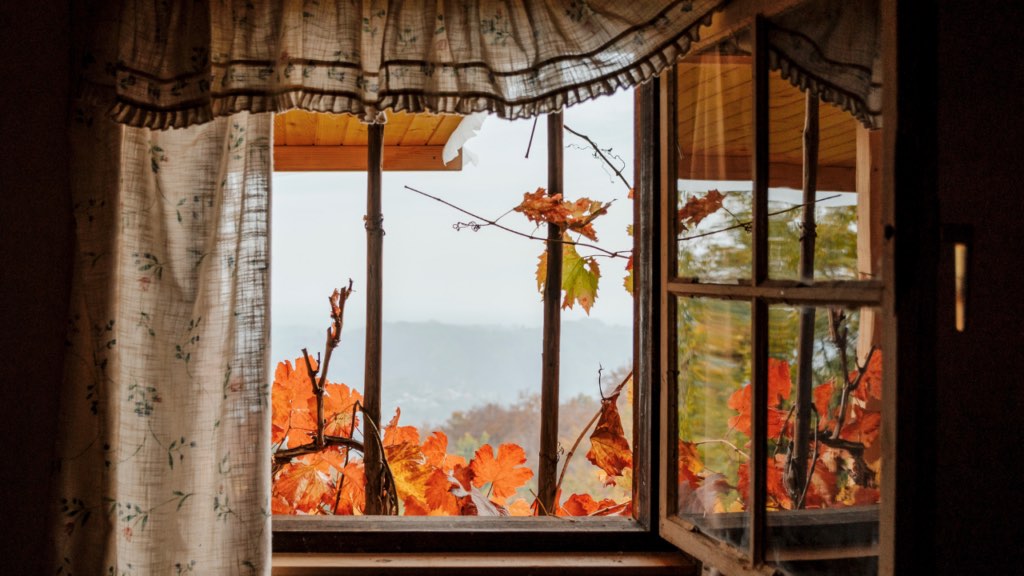
What is fall like in Minnesota? Fall here moves quickly from warm September afternoons to cool October days and the first snow in November. Leaves change color across the state, and outdoor plans shift to hikes, orchards and football. For homeowners, fall is the season to get a house ready for months of heating, and for buyers, it is a chance to see a home before winter sets in.
What does the weather data show for fall?
The Minnesota DNR State Climatology Office publishes Twin Cities climate normals for 1991 to 2020. On October 15, the normal high is 59°F and the normal low is 41°F. That is a long way from the July 15 normal high of 84°F, and the cooling continues into November.
The DNR's Twin Cities snowfall page lists normals, based on 1981 to 2010, of 0.6 inches of snow in October and 9.3 inches in November. An October snowfall can happen, so it pays to have the snow shovel out early.
When do the leaves change?
Color moves from north to south and from the trees to the grasses over several weeks. The DNR's Fall Color Finder shows the current progress by region, including the Twin Cities metro, with a map and reports from state parks. The DNR notes that its future dates show historical averages, not a prediction for this year. Watching the map is the easiest way to plan a color drive or hike.
What should I do to get a home ready for winter?
Fall is the most important maintenance season in Minnesota. A checklist many homeowners follow:
- Service the furnace or boiler and replace the filter before the heating season.
- Test smoke and carbon monoxide alarms. The State Fire Marshal's carbon monoxide guidance places alarms within 10 feet of bedrooms.
- Clean gutters after the leaves drop so meltwater can drain in spring.
- Shut off and drain outdoor faucets and disconnect hoses.
- Seal drafts around windows and doors.
- Plan snow removal. Service the snowblower or book a plowing service.
- Test for radon. The Minnesota Department of Health recommends testing every Minnesota home and says homes closed up or heated most of the year can have higher radon levels.
Is fall a good time to buy a home?
Fall works for many buyers, and it has some practical advantages:
- You can test the heat. Cooler days let you and your inspector run the furnace and feel how the home holds heat.
- You can still see the roof and yard. Before snow covers them, the roof, gutters, driveway and grading are easy to inspect.
- You can move before winter. Closing in October means you can move before the snowier months of November through March.
Your lender timeline matters here. Plan for the time it takes to close, so a fall contract does not turn into a December move by surprise.
Is fall a good time to sell?
Homes sell in fall, and sellers can still show a green yard and fall color in photos. The trade-off is daylight: the days get shorter, so evening showings happen in the dark. Good lighting inside and out helps. Rake the leaves, clean the gutters and put away hoses before photos, so the home looks cared for. Have the furnace age and service records ready to share, since the heating system matters to a fall buyer. If you are deciding between listing now and waiting for spring, our sell now or wait page and our market report help you look at the numbers.
How do I plan a fall move?
A fall move works well when you plan backward from the date you want to be in the home. Give your lender time to process the loan, and allow time for the inspection, the appraisal and any repair talks. Book movers as soon as you have a closing date. Ask the seller to leave records for the furnace, water heater and any snowblower that stays with the home. Once you have the keys, work through the winter checklist above in your first few weeks: furnace service, alarms, gutters, outdoor faucets and a snow removal plan. If you are moving from another state, our relocation page explains how we help.
What else changes in daily life?
Fall weekends fill with apple orchards, pumpkin patches, color hikes and high school and college football. State parks hold fall programs, which the DNR lists on its events calendar. Yard work changes to raking and putting away patio furniture, boats and docks. Coats come back out, and the ice scraper goes back in the car. Our article on what winter is really like covers what comes next.
Frequently asked questions
How cool is a normal mid-October day?
The DNR lists a normal high of 59°F and a normal low of 41°F on October 15 in the Twin Cities, based on 1991 to 2020 data.
When does the first snow usually come?
The DNR lists a Twin Cities normal of 0.6 inches of snow in October and 9.3 inches in November, based on 1981 to 2010 data.
Where can I see when the leaves are changing?
The Minnesota DNR Fall Color Finder shows current leaf color by region, including the Twin Cities metro.
What is the most important fall home task?
A furnace service comes first, since the heating system runs for months. Clean gutters and drained outdoor faucets come next.
Thinking about a fall move? Send us a message or call (651) 661-4770, and we will help you plan around the calendar. What questions do you have?