2026-04-13 · 5 min read · Minnesota
How Do I Choose a Twin Cities Suburb to Buy a Home In?
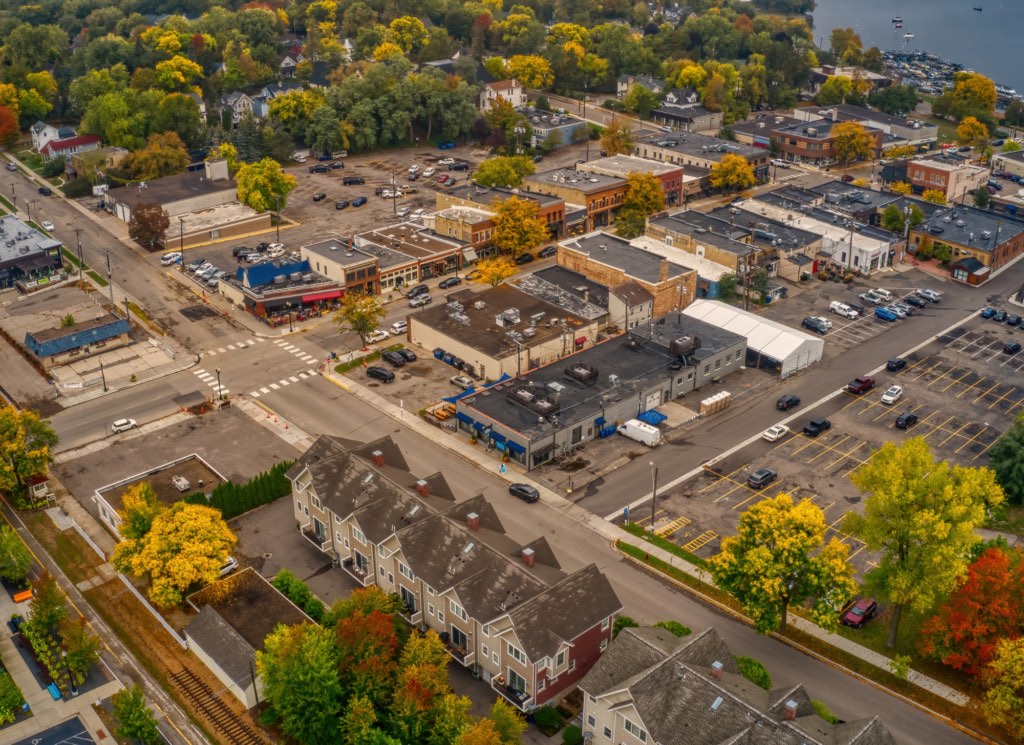
How do I choose a Twin Cities suburb to buy a home in? Write down your budget, your daily commute, and the kind of home you want, then compare suburbs on those facts instead of on lists that call one town the winner. The Twin Cities suburbs differ in home prices, home age, highways and transit, parks, and school district boundaries. The right suburb is the one where those facts line up with your life.
We work with buyers in more than 20 suburbs around Minneapolis and St. Paul. Here is the process we use to help them narrow the map, with Census figures and commute facts you can check.
Why is there no single answer to "which suburb is right"?
A buyer who works near the airport and a buyer who works from home in Stillwater are solving different problems. Online rankings mix together price, commute, and personal taste, and they often reward the most expensive towns. They cannot see your budget or your route to work.
We suggest you start with four questions and let the answers point you to a short list of towns.
- What monthly payment are you comfortable with, including taxes, insurance, and any association dues?
- Where do you go every day, and how do you want to get there?
- Do you want an established home, a newer home, or new construction?
- Do you need a yard, acreage, or a low-upkeep townhome?
How do home values compare across the suburbs?
The U.S. Census Bureau's American Community Survey for 2020 to 2024 reports the median value of owner-occupied homes in each city. These are survey figures across those years, not current list prices, but they show the general spread.
- St. Paul Park ($263,500), Brooklyn Center ($274,300), and Coon Rapids ($305,800) had the lowest medians among the suburbs we serve.
- Bloomington ($361,700), Apple Valley ($370,400), Cottage Grove ($378,800), and Eagan ($397,100) sat in the middle.
- Maple Grove ($418,300), Woodbury ($450,200), and Lakeville ($452,500) were higher.
- Minnetonka ($475,800), Plymouth ($491,200), Lake Elmo ($597,000), and Edina ($646,300) had the highest medians.
Every one of these cities has homes above and below its median. We look up recent sales for the specific neighborhoods you like before you set a search range.
How does location affect the commute?
The Twin Cities have two downtowns, an airport, and job centers spread across the suburbs. Start with where you need to be, then look at the highways and transit that serve it.
- Woodbury sits 8 miles east of St. Paul along Interstate 94, with Interstate 494 on its west side toward the airport.
- Eagan has Interstates 35E and 494, and the airport is just across the Minnesota River.
- Bloomington is 10 miles south of downtown Minneapolis, with Interstate 35W and the Blue Line light rail.
- Plymouth is about 12 miles northwest of Minneapolis, with Interstate 494 and Highway 55.
- Lakeville is about 20 miles south of both downtowns along Interstate 35.
- Apple Valley has three METRO Red Line stations along Cedar Avenue, running north to the Mall of America.
If you work in Minneapolis, our article on where to live if you work in Minneapolis goes route by route.
How do home age and home type differ between suburbs?
Each suburb grew in a different era, and that history shows up in the homes for sale.
- Brooklyn Center grew fast after World War II, and its average home was built in 1957.
- Bloomington is largely built out, so most homes for sale are existing homes rather than new construction.
- Lake Elmo stayed mostly agricultural for most of its history and now has new neighborhoods being built, along with homes on acreage that often use a well and septic system.
- Edina has a wide mix, including condominiums near Centennial Lakes and Southdale and older neighborhoods where small original homes have been replaced by new ones.
- Ramsey has newer neighborhoods and townhomes around The COR, plus homes on larger lots.
An older home may cost less up front and need updates sooner. A newer home may cost more and need fewer near-term repairs. Either way, we plan for a full inspection.
How do I compare parks, services, and school districts?
Look at what the city provides and what it costs. Bloomington, for example, runs curbside garbage and recycling for homes that opt in, so ask how trash works in any city you consider. Some homes are on city water and sewer, and some use a private well and septic system.
For parks, each city publishes its park and trail system. Bloomington lists 97 parks and green spaces, Lake Elmo has the 2,165-acre Lake Elmo Park Reserve, and Ramsey counts more than 80 miles of trails.
School district lines often split a city. Woodbury, Eagan, Plymouth, and Brooklyn Park are each served by more than one district. Confirm the district for each address directly with the district.
What is a simple way to narrow it down?
We suggest picking two or three suburbs and comparing them with the same checklist: recent sales for homes like the one you want, property taxes on specific homes, the rush-hour drive, the school district for each address, and water and sewer service.
Our side-by-side pages make this faster, including Woodbury vs Cottage Grove, Eagan vs Apple Valley, and Plymouth vs Maple Grove. Our neighborhood finder filters by price, home type, and commute. First-time buyers can also read our guide to choosing a suburb near Minneapolis on a first-time budget.
I'm Lesley, a REALTOR® with Bridge Realty. We help buyers compare towns with facts, then search the ones that fit.
Frequently asked questions
Which Twin Cities suburb should I choose?
The suburb that fits your budget, commute, and home needs. We help you compare two or three towns on recent sales, taxes, drive time, and services before you decide.
Where are home values lowest among the suburbs?
Among the suburbs we serve, St. Paul Park, Brooklyn Center, and Coon Rapids had the lowest median owner-occupied home values in the Census survey for 2020 to 2024.
Are newer homes easier to find in some suburbs?
Yes. Cities that are still growing, such as Lake Elmo and Ramsey, have newer neighborhoods. Cities that are largely built out, such as Bloomington, mostly have existing homes for sale.
How do I check the school district for a home?
Ask the district with the exact address. Boundaries can change and often split a city.
If you would like help building your short list, send us a message or call (651) 661-4770. What questions do you have?