2026-08-17 · 6 min read · Minnesota
How Do First-Time Buyers Choose a Suburb Near Minneapolis?
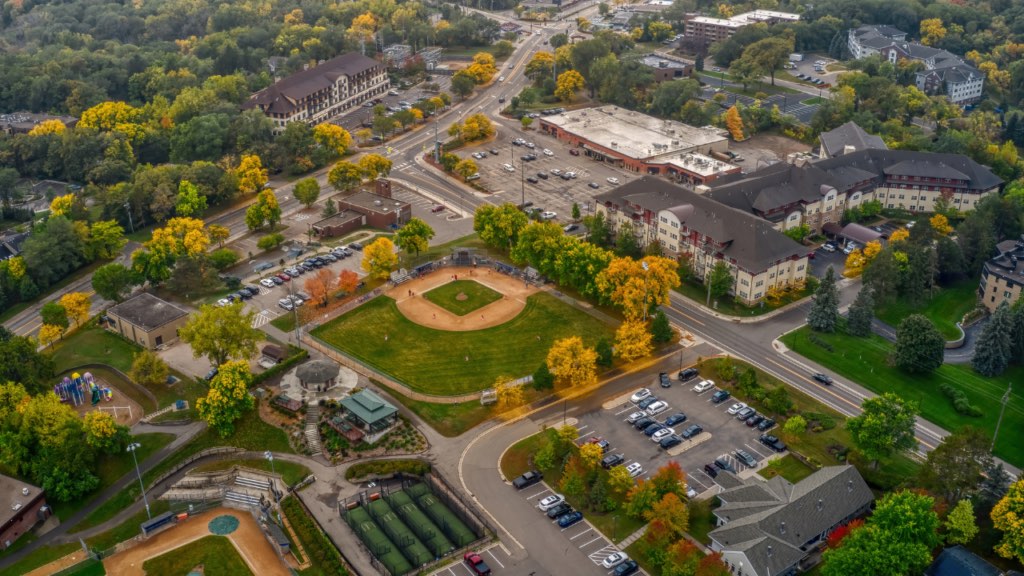
How do first-time buyers choose a suburb near Minneapolis? Start with the monthly payment you are comfortable with, then compare suburbs on three facts: what homes cost there, how you would get to work, and how old the homes are. No suburb is right for every first-time buyer. The right one is the town where your budget buys a home you can afford to keep up, on a drive you can live with.
We help first-time buyers across the Twin Cities sort this out every week. This guide walks through the same steps we use, with Census figures for the suburbs we serve so you can compare them on facts instead of reputation.
What should a first-time buyer decide before picking a suburb?
The list price is only part of the cost. Your monthly payment includes principal, interest, property taxes, homeowners insurance, and any association dues. Two homes at the same price can carry different payments because taxes and dues differ from city to city.
Before you look at towns, we suggest you settle three things.
- A lender's pre-approval tells you the price range you can borrow for, and you decide how much of it you want to use.
- Your work location, and your partner's if you have one, tells you which highways and transit lines matter.
- Your plans for the next five to ten years tell you how many bedrooms and how much yard to look for.
Our first-time buyers page covers pre-approval, down payment programs, and the steps from offer to closing.
Which suburbs near Minneapolis have lower median home values?
The U.S. Census Bureau publishes the median value of owner-occupied homes for each city. These figures come from the American Community Survey covering 2020 to 2024, so they reflect what owners reported over those years and not today's asking prices. They still show how the towns compare to each other.
- Brooklyn Center had a median value of $274,300, and Minneapolis itself was $362,200.
- Coon Rapids was $305,800 and Brooklyn Park was $336,200.
- Blaine was $352,400, Ramsey was $359,600, and Bloomington was $361,700.
- Maple Grove was $418,300, Minnetonka was $475,800, and Plymouth was $491,200.
- Edina was $646,300.
A lower median does not mean every home in that town fits your budget, and a higher median does not rule a town out. Each city has a range of home sizes and ages. For current prices, we pull recent sales from the MLS for the exact streets you are considering.
How does the commute change from suburb to suburb?
Distance matters less than the route. A home close to the highway you use every day can beat a closer home on the wrong side of town.
- Bloomington sits 10 miles south of downtown Minneapolis, with Interstate 35W running north and the Blue Line light rail connecting the Mall of America, the airport, and downtown.
- Brooklyn Center has Interstates 94 and 694, Highway 100, and Highway 252, and downtown Minneapolis is a short drive.
- Coon Rapids is about 12 miles north of Minneapolis, and Metro Transit Route 888 runs from the Coon Rapids-Riverdale Park and Ride to downtown.
- Blaine has Interstate 35W and Highways 10 and 65, and Metro Transit Routes 10 and 824 run from Northtown Transit Center to downtown Minneapolis.
- Brooklyn Park has Highway 610, Highway 169, Highway 252, and Interstates 94 and 694. The planned METRO Blue Line Extension would run from downtown Minneapolis to Brooklyn Park, with construction expected to begin in 2027.
Drive your route at rush hour before you make an offer. We do this with buyers, because a map estimate at noon tells you little about 7:45 on a weekday.
Does the age of the home matter for a first-time buyer?
It matters a great deal. An older home often costs less to buy, and it may need a roof, furnace, windows, or electrical work sooner. A newer home often costs more up front and less in near-term repairs.
Brooklyn Center is a good example of how history shapes the housing. The city grew quickly after World War II, the average home there was built in 1957, and one-story ramblers from that period are common. Bloomington became a city in 1960 and is largely built out, so most homes for sale there are existing homes. Ramsey, by contrast, has newer neighborhoods and townhomes around its town center, The COR, along with homes on larger lots that may use a private well and septic system.
Whatever the age, we plan for a full home inspection. If a home has a well or septic system, we have both inspected as well.
Should a first-time buyer look at townhomes or condos?
A townhome or condo can lower your purchase price and your outdoor upkeep. It also adds association dues and rules. Before you write an offer, read the association's budget, reserves, and rules, and add the monthly dues to your payment estimate.
Dues can cover exterior maintenance, snow removal, and lawn care. They can also rise. A low price with high dues can cost more each month than a small single-family home.
How do I compare two suburbs side by side?
Once you have two or three towns on your list, compare them with the same questions.
- What did similar homes sell for in the last six months?
- What are the property taxes on the specific homes you like?
- How long is the drive at rush hour, or is there a bus or train you would use?
- Which school district serves the address? Districts often split a city, so confirm it with the district for each home.
- Does the home use city water and sewer, or a private well and septic?
Our side-by-side pages can help, such as Brooklyn Park vs Brooklyn Center and Blaine vs Coon Rapids. Our neighborhood finder narrows choices by price, home type, and commute. If you are deciding on a broader question, our guide to choosing a Twin Cities suburb covers the whole metro, and our article on affordable areas in the Twin Cities lists Census values for more towns.
I'm Lesley, a REALTOR® with Bridge Realty. We built our team around teaching first, so first-time buyers understand each step before they sign anything.
Frequently asked questions
Is it cheaper to buy in the suburbs than in Minneapolis?
It depends on the suburb. In the Census survey for 2020 to 2024, Minneapolis had a median owner-occupied home value of $362,200. Some suburbs, such as Brooklyn Center and Coon Rapids, were lower, and others, such as Plymouth and Edina, were higher.
How much do I need to buy my first home?
Plan for a down payment, closing costs, earnest money, and an inspection. The down payment depends on your loan type, and Minnesota has programs that can help. A lender can give you exact numbers for your situation.
How do I find the school district for a home?
Ask the district with the exact address. Many suburbs are split among two or more districts, and the boundary can fall between nearby streets.
Can I use transit instead of driving?
In some suburbs, yes. Bloomington has the Blue Line light rail, and Coon Rapids, Blaine, and Ramsey have Metro Transit bus routes to downtown Minneapolis. Check the schedule against your work hours.
If you are ready to compare suburbs with real sales numbers, send us a message or call (651) 661-4770. What questions do you have?