2026-07-08 · 4 min read · Minnesota
What Are the Risks of Buying a Foreclosure in Minnesota?
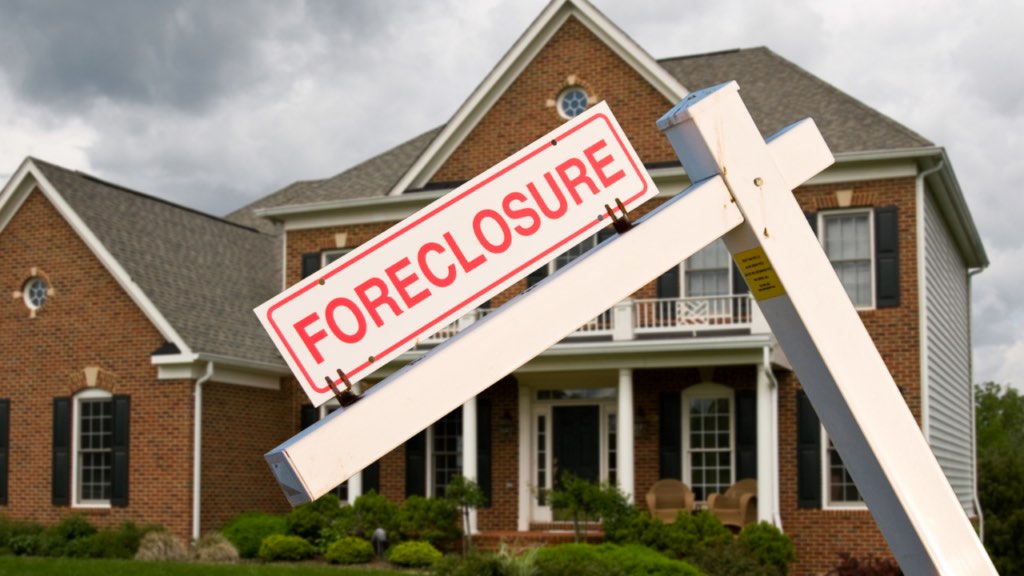
What are the risks of buying a foreclosure in Minnesota? The main risks are condition, timing and paperwork. Foreclosed homes are usually sold as is, sometimes after sitting empty, so repairs can be larger than they look. Minnesota also gives former owners a redemption period after a sheriff's sale, which affects when a home can be resold, and title issues need careful review before you close.
A foreclosure can still be a reasonable purchase for a prepared buyer. This guide covers what to check so the price does not hide the cost.
How does foreclosure work in Minnesota?
The Consumer Financial Protection Bureau (CFPB) explains that foreclosure is when a lender takes action to recover a debt through the sale of the home after the owner stops making payments. It says processes differ by state and can be judicial, through a court, or non-judicial, through required notices and a public sale.
In Minnesota, the property is commonly sold at a sheriff's sale. Under Minnesota Statutes section 580.23, the former owner generally has six months after that sale to redeem the property, with a 12-month period in certain situations listed in the statute and other exceptions in related sections. The length of the period depends on the facts of each case.
What kinds of foreclosure purchases are there?
- Sheriff's sale. The public auction itself. Buyers usually need funds ready, often cannot inspect inside, and still face the redemption period. This is a specialized purchase with real risk.
- Bank-owned homes. If no one buys at the sheriff's sale and the redemption period ends, the lender may own the home and list it for sale. These are often called REO properties.
- Government-owned homes. Homes from FHA-insured loans can end up for sale through HUD. The HUD Home Store says you need a HUD-registered selling broker to submit a bid on a HUD home.
Most buyers we talk with are looking at bank-owned or HUD homes listed for sale, not bidding at the auction.
What condition risks should I expect?
Vacant homes in Minnesota face winter. A home that sat empty without heat can have frozen pipes, water damage or mold. Other common issues include missing appliances or fixtures, deferred maintenance and damage from the time before the sale.
- Order a full inspection, and ask whether utilities can be turned on so systems can be tested.
- Consider a sewer line camera check, especially on older homes.
- Test for radon. The Minnesota Department of Health recommends testing every Minnesota home.
- Get repair estimates before your inspection period ends.
Our article on what happens if the inspection finds problems explains your options.
Will I get the usual seller disclosures?
Often less than usual. A bank that never lived in the home may know little about it. Federal lead rules have an exception too: the EPA lists foreclosure sales among the exceptions to its Lead-Based Paint Disclosure Rule. If the home was built before 1978, ask your inspector about lead testing.
Plan to learn about the home through your own inspection rather than the seller's paperwork. Ask the listing agent which utilities are on, when the home was last occupied and whether it was winterized, since those answers shape what your inspector can test.
What paperwork risks should I watch for?
- Title. Title work checks for other liens, unpaid taxes or problems with the foreclosure itself. Buy title insurance and read the commitment.
- Bank addenda. Bank-owned sales often come with the seller's own addenda that limit repairs, set deadlines and add fees for delays. Read every page.
- Occupancy. Confirm whether anyone still lives in the home and who is responsible if they do.
- Assessments. Ask the city about pending assessments or utility balances tied to the property.
Can I finance a foreclosure?
Often, yes, for a bank-owned or HUD home listed for sale. The challenge is condition. Some loan types have property standards, and a home with major problems may not meet them. Lenders and loan programs set those rules, and a lender confirms eligibility. Tell your lender early that the home is a foreclosure.
A sheriff's sale is different. It usually requires funds at the sale, and regular mortgage financing does not fit that timing. Buyers considering an auction often talk with a real estate attorney first, because the rules and the redemption period carry legal questions a buyer should understand before bidding.
How is this different from a short sale?
A short sale happens before foreclosure, while the owner still owns the home and the lender agrees to a lower payoff. Our article on buying a short sale in Minnesota explains that process and its own timing risks.
Our investment property page covers more questions to ask on homes that need work.
Frequently asked questions
How long is the redemption period in Minnesota?
Minnesota Statutes section 580.23 generally gives six months after the sheriff's sale, with 12 months in listed situations and other exceptions in related law.
Are foreclosures sold as is?
Usually, yes. The seller often makes no repairs, so your inspection matters more.
Do I need a special agent to buy a HUD home?
The HUD Home Store says bids must be submitted through a HUD-registered selling broker.
Is a foreclosure always a bargain?
No. Repairs, delays and fees can close the gap, so compare the full cost with other homes.
If you are looking at a foreclosure and want help sorting out the risks, send us a message or call (651) 661-4770. What questions do you have?