2026-07-08 · 4 min read · Minnesota
What Is a Short Sale, and Should I Buy One in Minnesota?
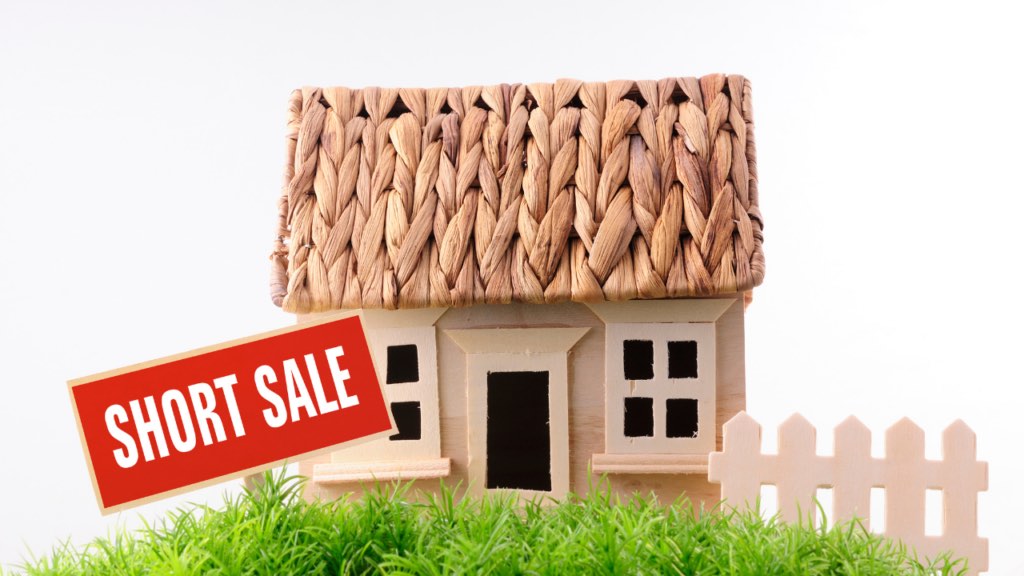
What is a short sale, and should you buy one in Minnesota? A short sale is a sale of a home for less than the owner owes on the mortgage, and the owner's lender has to agree to it. Buying one can work if you have flexible timing, savings for repairs and patience with a slower approval process. If you need a firm move-in date, it may not be the right fit.
What exactly is a short sale?
The Consumer Financial Protection Bureau (CFPB) describes a short sale as a type of loss mitigation: a sale of a home for less than what the owner owes on the mortgage. It is an alternative to foreclosure, and it only happens if the owner's lender or servicer agrees.
That last part shapes everything for a buyer. The seller can accept your offer, but the deal is not final until the seller's lender approves it, and sometimes more than one lender is involved.
How is a short sale different from a foreclosure?
In a short sale, the owner still owns the home and is selling it with the lender's permission. In a foreclosure, the lender takes action to recover the debt, often through a public sale. Our article on the risks of buying a foreclosure in Minnesota covers that path.
How does the process work for a buyer?
- You make an offer. It usually includes a short sale addendum that makes the deal subject to lender approval.
- The seller accepts. The seller's agent sends your offer and the seller's paperwork to the lender.
- The lender reviews. The lender may order its own valuation and may accept, counter or decline your price.
- You get an answer. If approved, the approval letter usually sets terms and a deadline to close.
- You close. From there, the closing looks like a regular purchase.
The waiting step is the hard part. No one can tell you exactly how long a lender will take.
What are the pros and cons for a buyer?
Some buyers find a home they like at a price that fits. Here is what to weigh.
- Timing is uncertain. Your rate lock, lease end date and moving plans all need room to flex.
- The home is often sold as is. The seller may not have money for repairs, and the lender may not agree to credits.
- The price can change. The lender may come back with a higher number than the seller accepted.
- The deal can fall through. A lender can decline, or the property can move toward foreclosure while you wait.
- Your costs can start early. Inspection and appraisal fees may be spent before you know the outcome.
How do I protect myself in a short sale?
- Get pre-approved first. Tell your lender the home is a short sale so they can plan for the timing. Lenders and loan programs set the rules and confirm eligibility.
- Keep your inspection rights. Make sure your offer gives you time to inspect after lender approval, or plan your inspection timing with your agent. Our article on contingencies to include in your offer explains the options.
- Ask about the status. Ask how long the seller has been in the process and whether other offers came before yours.
- Review the title. Title work shows whether there are other liens that also need approval.
- Keep looking if you need to. Some buyers keep touring other homes while they wait, as their contract allows.
What should I know about financing a short sale?
Your loan works the same way as on any purchase, but the timing puts more pressure on it. A few points come up often.
- Rate locks. A rate lock lasts a set period. Ask your lender what happens if lender approval on the seller's side takes longer than your lock.
- Appraisal. Your lender orders its own appraisal. If the value comes in below the approved price, you may need to bring more cash or renegotiate.
- Condition. Some loan types have property condition standards. A home that needs major repairs may not meet them, so ask your lender before you offer.
- Closing deadline. The seller's lender may set a firm closing date in its approval letter. Your loan needs to be ready by then.
Who is a short sale a good fit for?
A short sale tends to suit a buyer who can wait, has a flexible lease or housing situation, and has savings for repairs after closing. It is a harder fit for a buyer with a fixed move date, a rate lock that will expire, or no cushion for repairs. Our article on common first-time buyer mistakes covers more timing traps.
If you are a homeowner who might need a short sale, the CFPB suggests talking with a HUD-approved housing counselor about your options.
Frequently asked questions
Who approves a short sale?
The seller's lender or servicer approves it. The CFPB says a short sale happens only if the lender agrees.
How long does a short sale take?
The timing depends on the lender and the file. No one can promise a date, so plan for a longer wait than a regular sale.
Can I inspect a short sale home?
Yes, in most cases. Your offer terms set the timing, and your agent helps you plan it.
Are short sales always discounted?
No. The lender sets the price it will accept, and it may be close to market value.
If you found a short sale and want to talk through the timing and risks, send us a message or call (651) 661-4770. Our buying a home page covers the full process.