2026-05-29 · 4 min read · Minnesota
How Do I Plan Currency Exchange for a Minnesota Home Purchase?
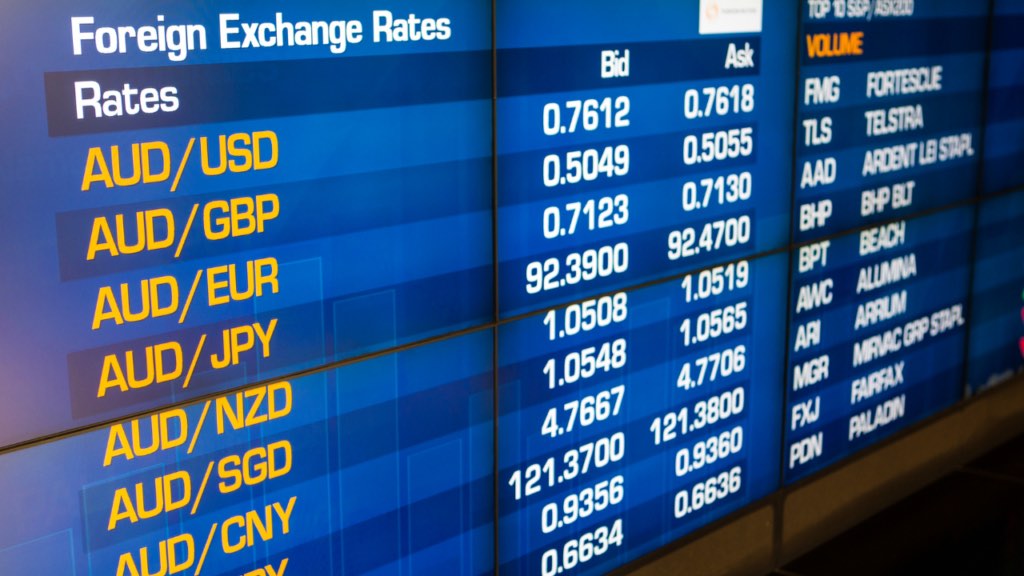
How do you plan currency exchange for a home purchase in Minnesota? Set your target in U.S. dollars, compare the full cost of each exchange option, convert into a U.S. account well before closing and keep every receipt. Lenders count your money in dollars after it arrives, so the plan works backward from the dollar amount you need on closing day.
Why should you plan in dollars, not in your home currency?
Your purchase contract, your loan and your closing statement are all in U.S. dollars. The amount in your home currency only matters on the day you convert it. If the exchange rate moves before then, the dollars you end up with will be more or less than you expected.
Start with a dollar number. Add up your down payment, your closing costs and the savings cushion your lender wants you to keep. Then work out how much of your foreign balance it takes to reach that number at a few different exchange rates, not only today's rate. That range shows you how much room you have.
Here is an example. Say you need $40,000 for your down payment, closing costs and cushion. If the rate moves 5 percent against you before you convert, the same foreign balance buys about $2,000 less. A plan that already holds that extra amount keeps the closing on track.
What does the lender need to see from money held abroad?
For loans sold to Fannie Mae, the Fannie Mae Selling Guide (B3-4.2-05) sets the rule. When funds for the down payment, closing costs or reserves come from assets outside the United States, the lender needs documented evidence that the assets were exchanged into dollars and held in a federal or state regulated financial institution in the United States, and verification of the funds in dollars before the loan closes. Documents of foreign origin must be in English or come with a complete and accurate translation.
That rule shapes your timeline. The conversion is not the last step. The money also has to land in an account in the United States and be verified before closing.
How do you compare exchange options?
Banks, credit unions and money transfer companies can all quote you a price. Compare the total, not only the fee.
- Ask for the exchange rate each provider will use.
- Ask for every fee, including fees on the sending side and the receiving side.
- Ask for the exact dollar amount that will arrive in your American account.
- Ask how long the transfer takes and what records you get.
When you send money from the United States to another country, federal rules generally require providers to show you certain information. The Consumer Financial Protection Bureau says you generally see the total cost, the exchange rate and the amount expected to be delivered before you pay, and a receipt after you pay. Money moving into the United States from abroad may follow the rules of the sending country, so ask your overseas bank what it will give you in writing.
Should you convert all at once or in parts?
Some buyers change everything into dollars in one transfer. Others use a few transfers over several weeks. Each approach has tradeoffs.
- One transfer. One transfer means one receipt and one deposit to explain, and you lock the rate on one day.
- Several transfers. Several transfers spread out the rate risk, but each deposit needs its own receipt and may draw its own question.
Whatever you choose, tell your lender the plan first. We cannot predict exchange rates, and neither can anyone else. What you can control is the timing, the records and the cushion.
Which records should you keep for each conversion?
- Keep the foreign account statements that show the money before it left.
- Keep the exchange confirmation that shows the rate and the fees.
- Keep the transfer receipt with the sender name, the amount and the date.
- Keep the American bank statement that shows the deposit arriving.
- Keep a translation of any document not in English.
Tax reporting can also apply to foreign accounts. The IRS says a United States person must file an FBAR if the total value of their foreign financial accounts exceeded $10,000 at any time during the calendar year. A tax professional can tell you whether that applies to you.
Our earlier guide on currency exchange issues at closing covers how much cushion to plan and how to protect the final wire. Our guide on how lenders view foreign bank statements explains what those statements need to show.
Frequently asked questions
When should I convert money for a home purchase?
Many buyers move the money before they apply or early in the process. Ask your lender how early the funds need to sit in an American account.
Does the lender use my home currency balance?
For Fannie Mae loans, the lender needs the funds exchanged into dollars and verified in dollars before closing.
Can I send the money straight to the title company?
Ask your lender first, because foreign funds usually need to be verified in an American account before closing.
What if the rate moves against me?
A cushion in your plan helps. Plan for a less favorable rate than today's, so a change does not leave you short.
We help buyers line up the lender, the transfer timeline and the title company before any money moves. Send us a message or call (651) 661-4770. What questions do you have?