2026-06-20 · 5 min read · Minnesota
What Is It Like Living Near Downtown Entertainment in Minnesota?
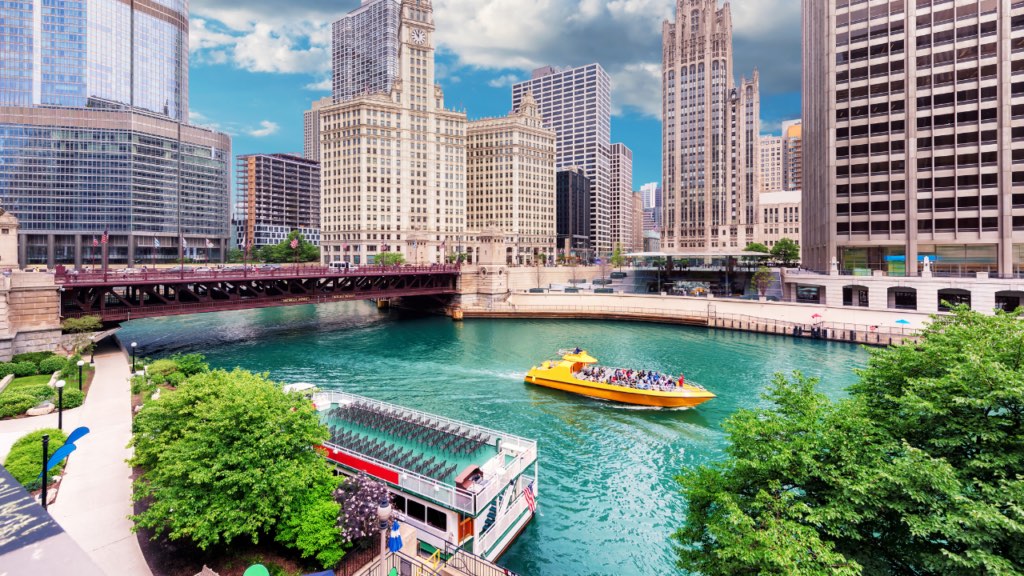
What is it like living near a downtown entertainment area in Minnesota? A home near a historic main street or a suburban town center can put restaurants, riverfront parks, concerts and festivals within a walk. It can also bring event traffic, street closures, parking rules and older homes with their own inspection questions. The facts for the exact address tell you how much of that reaches the house.
This guide covers the smaller downtowns and town centers in the suburbs and river towns we serve. Our comparison of downtown Minneapolis and the suburbs covers the big-city side.
Which downtowns and town centers are near the homes we show?
Many cities around the Twin Cities have a historic downtown or a newer town center with parks and event spaces. Here are examples from our area pages.
- Stillwater: The city has a historic downtown on the St. Croix River. Lowell Park at 201 Water Street has an amphitheater and a gazebo, and the 1931 Lift Bridge is part of a nearly five-mile bicycle and pedestrian loop trail into Wisconsin.
- Hastings: The city has a historic downtown near the old steamboat landing on the Mississippi.
- Shakopee: The downtown sits on the Minnesota River, with a 24-acre riverfront park that has an amphitheater and a trail to the Minnesota Valley State Trail.
- Lakeville: The historic downtown is the original town center, with an arts center at Holyoke Avenue and 210th Street.
- Maple Grove: Main Street and the Arbor Lakes district have homes, townhomes and condominiums near shops, and a park on Main Street holds concerts and outdoor movies.
- Ramsey: The COR is the town center, with homes, shops and The Draw, a park with a performance amphitheater.
How do events and festivals change the street?
Downtown parks and amphitheaters hold concerts, markets and festivals, especially in summer. On those days, the blocks around them can see road closures, detours, temporary parking limits and crowds walking to and from the event.
- Look at the city's events calendar for the last full year, not just the next month.
- Ask the city which streets close for the largest events, and for how long.
- Note where event parking overflows when the lots fill.
- Find out when amplified music is allowed to run, and when cleanup crews start.
Minnesota's state noise rules set different limits for daytime and nighttime. Minnesota Rules part 7030.0020 defines daytime as the hours from 7 in the morning to 10 at night, and nighttime as the hours from 10 at night to 7 in the morning Cities can also set their own rules and event permits, so ask the city what applies near the address.
What parking rules apply near a downtown?
Parking near a downtown can work differently from a suburban cul-de-sac. Check these before you offer.
- Garage and driveway. Count the off-street spaces the home has. Some older downtown homes have a detached garage on an alley or none at all.
- Street limits. Read the posted signs on the block for time limits and event restrictions.
- Permits. Ask the city whether the street uses residential parking permits.
- Snow emergencies. Ask how the city handles snow emergency parking and where cars must move.
What should I know about older homes near a historic downtown?
Historic downtowns often have the oldest homes in the city on the streets around them. Older homes can have character and well-built bones, and they also carry their own questions.
- Heritage rules. Ask the city whether the home sits in a historic district or carries a heritage designation. Exterior changes may need review before you start.
- Systems. Have the inspector look closely at the electrical panel, plumbing, foundation and roof.
- Flood maps. River downtowns sit near water. Look up the address in the FEMA Flood Map Service Center, and ask your insurance agent for a quote early.
- Lot size. Older lots can be narrow. A survey shows where the lot ends.
What about condos and homes above shops?
Some downtowns and town centers have condominiums and apartments above street-level businesses. The building's association documents set the rules, so read them before you make an offer.
- Ask which businesses share the building and what hours they keep.
- Read the rules on deliveries, trash pickup and loading zones.
- Ask whether the association has a reserve study and any planned special assessments.
- Tour the unit on a Friday or Saturday evening.
Our guide to homes in busy areas of Minneapolis covers condo checks near busy streets in more detail.
How can a downtown location affect resale?
Being near a downtown is a fact that future buyers weigh in different ways. Some buyers search for a walk to restaurants and the riverfront. Others set their search for more distance from event traffic. We do not promise that a downtown location raises or lowers a price. When you sell, we compare recent sales near the downtown with sales farther out, so the numbers guide your pricing.
How do I test a downtown home before I offer?
- Visit on a weekday evening and on a weekend night during the season you care about.
- Walk from the home to the places you would use, and time each trip.
- Check the city's council and planning agendas for new venues or development near the address.
- Stand in the bedrooms with the windows open and then closed.
Our checklist for visiting a neighborhood in Minnesota covers what to note on each trip, and our Stillwater page lists the parks and history near that downtown.
Frequently asked questions
Which Twin Cities suburbs have a historic downtown?
Stillwater, Hastings, Shakopee and Lakeville each have a historic downtown. Maple Grove and Ramsey have newer town centers.
How do I find out about street closures for events?
The city's events calendar lists the major events. The city can tell you which streets close for each one.
Are there state rules on nighttime noise in Minnesota?
Minnesota Rules set separate daytime and nighttime noise standards, and nighttime runs from 10 at night to 7 in the morning Cities can add their own rules and event permits.
Do I need permission to change the outside of an older downtown home?
It depends on the city and the property. Ask the city whether the home sits in a historic district before you plan exterior work.
Are you thinking about a home near a downtown? Send us a message or call (651) 661-4770. What questions do you have?