2026-07-22 · 4 min read · Minnesota
What Is It Like Living Near Downtown Minneapolis vs the Suburbs?
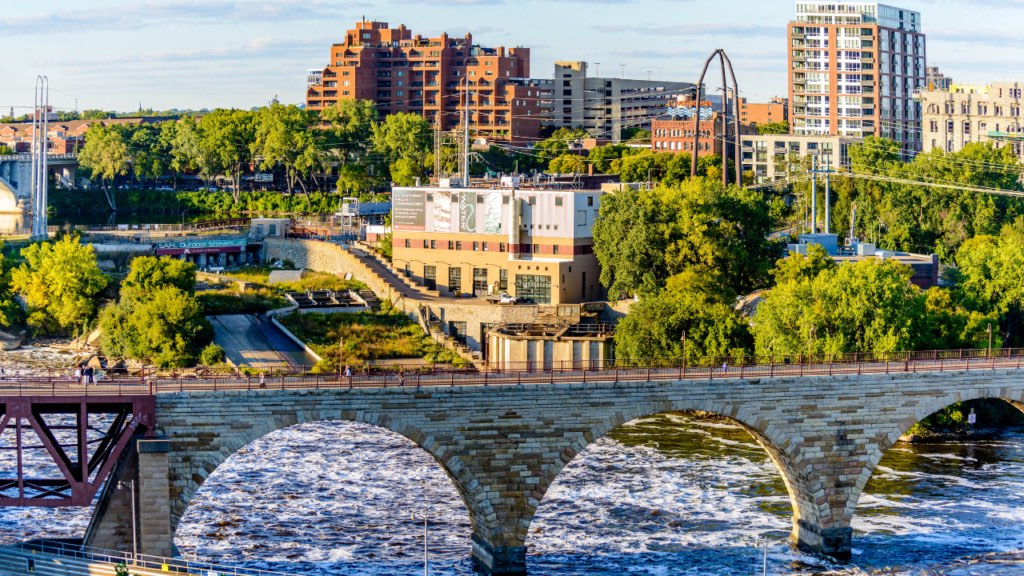
What is it like living near downtown Minneapolis compared with the suburbs? Near downtown, homes sit closer together, more errands and transit lines are within reach of your front door, and homes for sale lean toward condos, duplexes, and houses on city lots. In the suburbs, homes spread out across more land, most trips start in the car, and you get more choice in yard size and home age. Neither is better in general. The question is which daily routine you want.
This article compares an ordinary day in each setting. If you are weighing the purchase itself, prices, taxes, and upkeep, our article on buying in Minneapolis or the suburbs covers that side.
How different is the density?
The numbers make the difference clear. The Census Bureau counted 7,962 people per square mile in Minneapolis in 2020. Using the same 2020 census counts and land areas, Bloomington had about 2,600 people per square mile, Woodbury about 2,150, and Lake Elmo about 510.
Density shapes almost everything else: how far the nearest store is, how much street parking there is, how close your neighbors' homes are, and how practical it is to walk or ride transit for daily trips.
What is a typical day like near downtown?
Near downtown, more of your day can happen within a short walk or ride. Coffee, groceries, restaurants, and a transit stop may be a few blocks away. The Blue Line light rail connects downtown Minneapolis with the airport and the Mall of America, and the METRO Green Line Extension is scheduled to open in 2027, running from downtown Minneapolis through St. Louis Park, Hopkins, Minnetonka, and Eden Prairie.
The trade-offs are practical ones. Parking may be limited or cost extra. Many homes share walls, as in a condo or duplex, or sit on smaller city lots. In the Census survey for 2020 to 2024, Minneapolis workers averaged a 22.0-minute trip to work.
What is a typical day like in the suburbs?
In most suburbs, the day starts in the car. Errands are often grouped into one trip, and shopping centers sit along main roads. In return, you usually have more room at home, a garage, and often a yard.
Parks and trails are a large part of suburban routines. Bloomington has 97 parks and green spaces and more than 50 miles of trails. Minnetonka has 49 parks and more than 100 miles of trails. Maple Grove borders Elm Creek Park Reserve, about 4,900 acres.
Some suburbs also have walkable centers. Maple Grove has homes, townhomes, and condos near Arbor Lakes and Main Street, and Ramsey's town center, The COR, places homes, shops, and a park within walking distance of each other.
How do the homes differ?
In the Census survey for 2020 to 2024, 47.7 percent of occupied homes in Minneapolis were owner-occupied, compared with 63.6 to 93.5 percent in the suburbs we serve. More of the city's homes are rented, and buyers near downtown often compare condos, duplexes, and older houses.
The suburbs offer a wider span of home ages. Brooklyn Center's average home was built in 1957, Bloomington is largely built out with existing homes, and growing cities such as Lake Elmo and Ramsey have new construction and homes on larger lots. With any older home, we look closely at the roof, furnace, windows, and electrical before you buy.
How do winter and upkeep differ?
Winter looks different in each setting. In a condo near downtown, the association usually clears the snow, and you may park in a garage. In a city house, you shovel your own walk, and if you park on the street, you follow the city's snow emergency parking rules.
In the suburbs, you often have a driveway and garage, and you clear more pavement yourself or hire it out. A larger lot means more mowing in summer and more snow in winter. A home on a private well and septic system adds its own upkeep.
How do I decide which fits me?
We suggest you track one normal week before you decide.
- Count the trips you make for work, groceries, exercise, and social plans.
- Note which ones you would walk or ride transit for near downtown.
- Estimate the drive time for each from a suburb you like.
- Decide how much space and yard you want to maintain.
- Spend a weekday evening and a Saturday in each area before you write an offer.
Our neighborhood finder filters areas by price, home type, and commute, and the Minnetonka page shows one suburb with a light rail line on the way. If downtown is where you work, our article on where to live if you work in Minneapolis compares routes.
I'm Lesley, a REALTOR® with Bridge Realty. We show buyers both settings so they can feel the difference before they commit.
Frequently asked questions
Can I live in the suburbs without a car?
It is harder in most suburbs. Some areas near the Blue Line, Red Line, or Gold Line, or near walkable centers such as The COR in Ramsey, make it more practical. Check the routes for your daily trips.
Is parking a problem near downtown Minneapolis?
It can be. Ask whether a home includes off-street or garage parking and what the rules are during snow emergencies.
Do suburbs have walkable areas?
Some do. Maple Grove has homes near Arbor Lakes and Main Street, and Ramsey's The COR places homes, shops, and a park near each other.
How do I compare commute times?
Drive or ride the route at the hour you would travel. The Census reports a 22.0-minute average trip to work for Minneapolis workers for 2020 to 2024.
If you are torn between the city and the suburbs, send us a message or call (651) 661-4770. What questions do you have?