2026-07-22 · 4 min read · Minnesota
Should I Live Near a Lake or in a City Neighborhood in Minnesota?
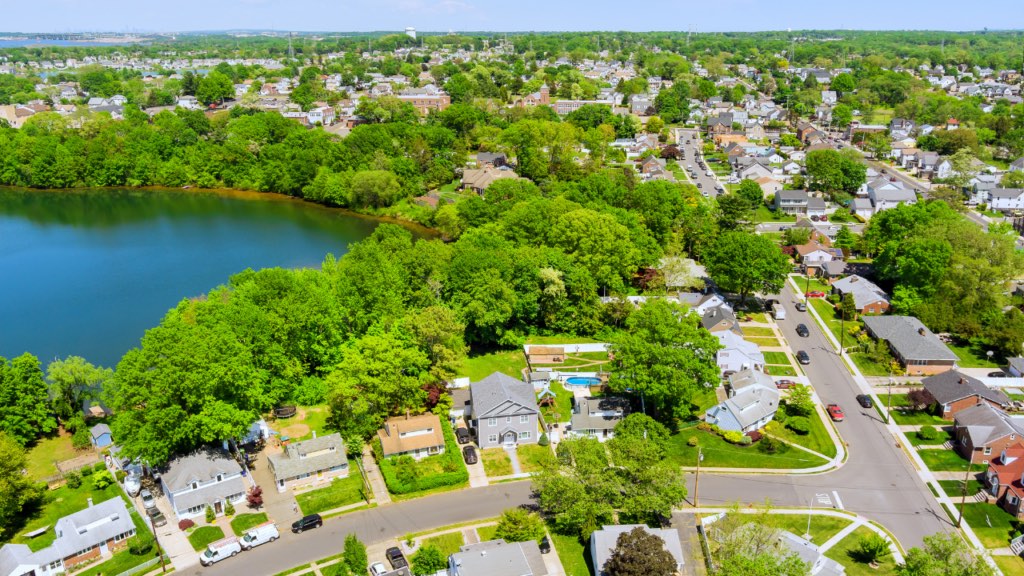
Should you live near a lake or in a city neighborhood in Minnesota? It depends on how you spend a normal week. A home near a lake puts trails, beaches and water close by, and lakefront lots come with shoreland rules. A city neighborhood may put shops, transit and services within a walk of some blocks. Comparing those facts for the specific homes you are considering shows which fits your routine.
Some areas offer both. Several Minneapolis neighborhoods border city lakes, and many suburbs are built around lakes. So the real comparison is usually between two or three actual homes.
What does "near a lake" actually mean?
There are three different situations, and each one changes the price, the rules and the upkeep.
- Lakefront. The lot touches the water. You may have a dock or shoreline to maintain, and shoreland rules apply.
- Lake view or across the street. You see the water but reach it by a public path or access point.
- A short walk away. The lake is part of your neighborhood routine through public trails and parks.
In many Twin Cities lakes, most of the shore is public. Woodbury kept about 90 percent of its lakeshore as trails and parkland, so most residents can walk to the water and true lakefront homes are rare. Maple Grove's lakes include Weaver, Fish, Rice and Eagle, and Weaver Lake has an 80-acre city park with a public beach.
What rules apply to lakefront property?
Minnesota has managed shoreland since 1969. The Minnesota DNR shoreland program explains that local governments administer shoreland rules through ordinances, and that minimum setbacks and lot sizes differ by how a lake or river is classified.
Before you offer on a lakefront home, ask the city or county:
- What setbacks apply to additions, decks and accessory buildings.
- What the rules are for docks, shoreline work and tree removal.
- Whether any part of the lot sits in a mapped flood zone. The FEMA Flood Map Service Center shows this, and flood zones can affect insurance.
How do I research a specific lake?
The DNR LakeFinder covers thousands of Minnesota lakes. It shows water access sites, lake maps, water quality reports, ice in and ice out dates and aquatic plant surveys. Look up the lake before your showing so you know where public access is and what the lake is used for.
Visit on a summer weekend too. Boat launches, beaches and lake trails bring parking and activity in season, which some buyers enjoy and others prefer to be a few blocks from.
What does a city neighborhood offer instead?
In a city neighborhood, what is close depends on the exact block, not the neighborhood name.
- Walking distance. Map the walk from the home to groceries, a library, parks and transit stops.
- Transit. The Metro Transit trip planner shows bus and rail options from any address.
- Homes. City neighborhoods often have older homes, duplexes and condominiums, which bring their own inspection questions.
- Parking. Check whether the home has a garage and how the city handles snow emergency parking.
Some Minneapolis neighborhoods give you both a lake and a commercial corner. Our comparison of Linden Hills and Fulton shows how we lay out lakes, parks and transit for two neighborhoods side by side.
How do the costs compare?
The listing price is only one part.
- Property taxes. County records show the bill for each home.
- Insurance. Ask an agent for a quote early if the home is near water.
- Upkeep. A dock, a shoreline or an older city home each brings costs to plan for.
- Association dues. Some lake communities and city condominiums have associations. Read the documents before you offer.
For current prices, we pull recent sales near each home, and our market report tracks the wider market.
How do I decide between the two?
Write down what you do most in a normal week. If it is a morning walk or a weekend paddle, map the lake access from each home. If it is walking to dinner or riding a bus to work, map those trips instead. Then tour one home of each type in your price range and run the same routine from both.
Comparing a park-side home as well? See our guide to living near a park in Minnesota, or use our neighborhood finder to narrow areas by price and commute.
What should I ask the seller of a lake home?
Through us, you can ask written questions that a listing rarely answers.
- Is a dock included, and who installs and removes it each season?
- Has any shoreline work been done, and was a permit pulled?
- Has water ever entered the basement or yard during high water?
- Are there association rules about boats, docks or lake access?
Verify permits with the city or county, and get the answers in writing before you offer.
Frequently asked questions
Who sets the rules for building near a Minnesota lake?
Local governments administer shoreland rules through ordinances under the DNR's shoreland program. Setbacks and lot sizes depend on how the lake is classified.
How do I find public access to a lake?
The DNR LakeFinder lists water access sites, lake maps and water quality reports for thousands of Minnesota lakes.
Are lakefront homes common in the Twin Cities suburbs?
It depends on the city. In Woodbury, about 90 percent of the lakeshore is public trail and parkland, so lakefront homes are rare.
Can I check flood risk for a lake home?
The FEMA Flood Map Service Center shows whether a home sits in a mapped flood zone. Ask an insurance agent how that affects coverage.
Comparing a lake home with a city home? Send us a message or call (651) 661-4770. What questions do you have?