2026-07-22 · 4 min read · Minnesota
What Is It Like Living Near a Park in Minnesota?
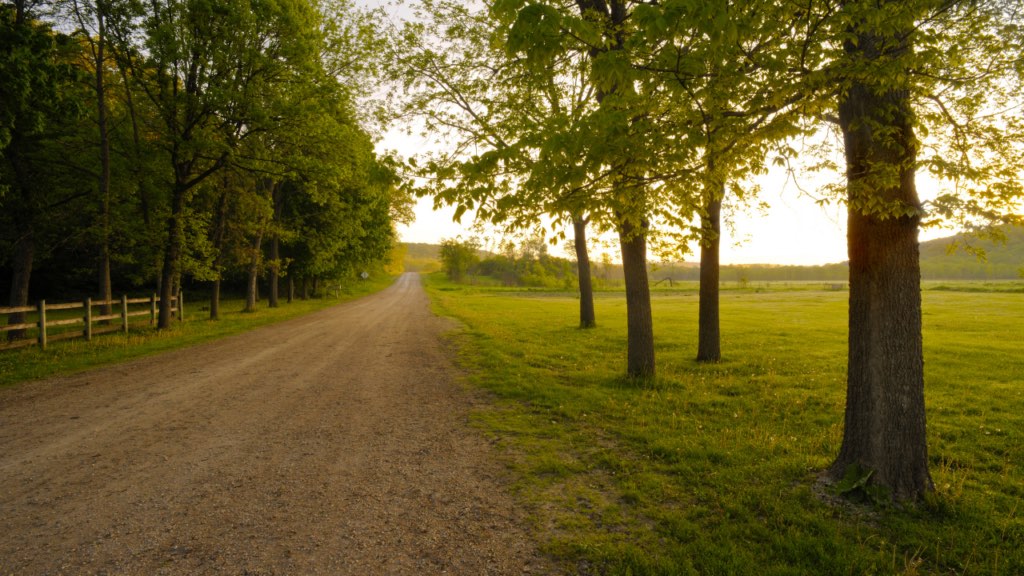
What is it like living near a park in Minnesota? A nearby park can mean a short walk to trails, fields and open views, and in winter, skating rinks and groomed paths. It can also bring lights, events, parking and people passing the back of the yard. The way to know is to check what part of the park borders the home and what the city plans for it.
How much parkland is there in the Twin Cities?
A lot, and it is spread across city, county and regional systems. The Metropolitan Council reports 58 regional parks and park reserves totaling more than 65,339 acres, with nearly 487 miles of interconnected trails, run with 10 city, county and park district partners.
City park systems add to that. A few examples:
- Woodbury has about 3,500 acres of parkland and more than 170 miles of multi-use trails.
- Chaska lists 9 community parks, 23 neighborhood parks and more than 100 miles of trails on its parks and trails page.
- Chanhassen says it has built and maintains 66 miles of trails.
- Maple Grove borders Elm Creek Park Reserve, about 4,900 acres, the largest park in the Three Rivers Park District.
Which part of the park is next to the home?
"Near a park" can mean very different things. Walk the edge of the park behind or across from the home and note what is there.
- Natural areas and wetlands. These often stay open and wooded, and some are protected from building.
- Trails. A trail behind the yard means people walking, biking and skiing past, sometimes early and late.
- Ball fields and courts. Expect games, practices and evening activity in season.
- Playgrounds and shelters. Shelters can be reserved for gatherings.
- Parking lots and rinks. These bring cars, lights and activity in their seasons.
What should I check before I buy next to a park?
- Lights and hours. Ask the city whether fields or rinks are lit and what hours the park keeps.
- Event calendar. Look at the parks and recreation calendar for tournaments, concerts and festivals.
- City park plans. Most cities post park projects and system plans. An open field could be scheduled for a new trail, shelter or court.
- Property lines and easements. A survey shows where the lot ends. Some trails cross private land through easements.
- Fence and yard rules. Cities and associations may limit fences or structures near park edges. Read the rules before you plan a fence.
- Drainage. Low parkland and ponds collect water. The FEMA Flood Map Service Center shows whether a home sits in a mapped flood zone.
Are there rules about pets in parks?
Each city sets its own rules, so check before you assume. Chanhassen's city code prohibits pets in its parks, while leashed pets are welcome on city trails, according to the city's trail system page. Chaska lists off-leash dog areas on its parks page. If a daily walk with a dog is part of your routine, read the rule for the city you are considering.
What are parks like in a Minnesota winter?
Many parks stay in use all year. Woodbury's Tamarack Nature Preserve has trails used for cross-country skiing in winter, and Ojibway Park has an outdoor rink. Elm Creek Park Reserve has a winter recreation area. Chaska lists outdoor skating rinks on its parks page.
Ask the city which trails it plows and which it grooms for skiing, and whether the rink near a home has lights and warming house hours.
How do regional trails connect suburbs?
Regional trails link parks across city lines. The Minnesota River Bluffs LRT Regional Trail follows an old railroad route from Hopkins to Chanhassen and Chaska, run by Three Rivers Park District. If you bike to work or for exercise, map the trail connections from each home on your list.
How do I compare homes by park access?
Map the walking distance from each home to the parks and trails you would use. A home a few blocks from a trailhead may give you most of the access with less activity at the property line. Our neighborhood finder compares areas by price, commute and nearby services, and our area pages for Woodbury and Maple Grove list parks by name.
Comparing a park-side home with one near a lake? Read our guide to living near a lake or in a city neighborhood.
What should I ask the seller about the park?
Through us, you can ask the seller written questions about life next to the park.
- Which seasons bring the most activity, and at what hours?
- Has the city done any recent work on the park or trail, or announced plans?
- Are there gates, fences or plantings along the property line, and who maintains them?
Then verify any planned work with the city parks department.
Frequently asked questions
Can the city build in a park next to my home?
Cities add trails, shelters, courts and parking over time. Check the city's park system plan and project pages for the park near the home.
Do trails cross private property?
Some trails run through easements on private land. A survey and the title work show any easements on a lot.
Are dogs allowed in Minnesota city parks?
The rules vary by city. Chanhassen prohibits pets in its parks and allows leashed pets on city trails.
How do I find out about events in a park?
The city's parks and recreation calendar lists tournaments, concerts and festivals. Shelter reservations are listed on many city sites too.
Thinking about a home near a park? Send us a message or call (651) 661-4770. What questions do you have?