2026-06-20 · 5 min read · Minnesota
What Is It Like Living Near Major Highways in Minnesota?
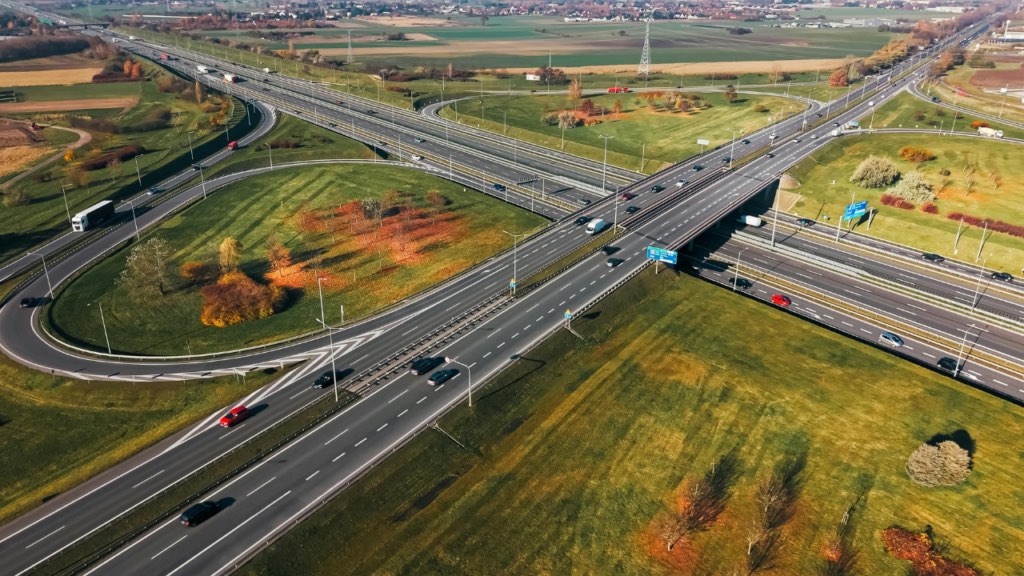
What is it like living near a major highway in Minnesota? A home a few minutes from an on-ramp can make a daily drive or an airport run much shorter. A home right beside the lanes can also hear traffic day and night and may sit near future construction. The trade-off depends on the exact distance, what stands between the home and the road, and what the state plans for that stretch.
Two homes in the same subdivision can have very different highway lives. One backs to the noise wall, and the other sits four blocks in with the same short drive to the ramp. We help you compare those facts for each address.
Which highways shape the suburbs we cover?
Most Twin Cities suburbs sit along one or two major routes. Here are a few examples from our area pages.
- Maple Grove: Interstates 94, 494 and 694 meet at Maple Grove, and Highway 610 and Highway 169 serve the north and east sides.
- Eagan: Interstate 35E and Interstate 494 run through Eagan, along with Highways 13, 55, 77 (Cedar Avenue) and 149.
- Lakeville: The city sits along Interstate 35, roughly 20 miles south of both downtowns.
- Ramsey: Highway 10 is the main route toward Minneapolis, and it runs with Highway 169 through the city.
- Bloomington: Interstate 494 runs across the north side, and Interstate 35W divides the city.
Knowing the route matters less than knowing where the home sits on it. Our area pages for Maple Grove and Eagan list each city's main roads.
How far is the home from the ramp, and from the lanes?
The ramp and the lanes need two different measurements. The drive to the on-ramp sets your commute. The distance to the lanes sets how much of the highway reaches the house.
- Time the drive from the driveway to the ramp at 7:30 a.m. and 5 p.m., including any signals or left turns.
- Look at a map for the distance from the back of the lot to the nearest lane.
- Note what sits in between: a noise wall, a frontage road, a berm, other homes or open land.
- Check which way the bedrooms face.
Do noise walls help, and can I get one?
The Minnesota Department of Transportation explains how its noise barriers work. MnDOT says barriers block the direct path of sound from the highway to homes, and that they reduce noise rather than eliminate it. To count as effective, a barrier must reduce noise at the receptors by at least 5 decibels.
MnDOT studies noise in two situations. One is a major reconstruction, such as adding lanes for more than a mile or significantly changing the road's alignment. The other is a retrofit program for stand-alone walls, where areas are ranked by existing noise levels, barrier length and the number of homes.
A few points from the same page help buyers set expectations:
- MnDOT says a barrier must be both feasible and reasonable to be built, and decisions are made case by case.
- MnDOT says effective tree screening would take at least 100 feet of dense evergreens 15 feet tall or more, so a row of trees is not a substitute.
- MnDOT says no studies link property values to noise barriers. Some buyers appreciate the reduction, and some have concerns about how a wall looks.
If a home has no wall today, do not plan on one arriving. Ask MnDOT's metro noise contacts listed on its noise analysis page about the stretch near the address.
Is construction planned near the home?
Highway work can mean a season or more of lane closures, night work and detours on local streets. Check before you offer.
- 511mn.org shows road reports, traffic cameras and plow locations on Minnesota highways.
- The city's website and the county's transportation pages list planned road projects, including county highway work near the address.
- City council and planning agendas show interchange and frontage road changes before they are built.
What should I check inside the home?
The house itself can do a lot to change how a highway sounds indoors.
- Windows. Ask the age and type of the windows. Newer windows often block more outside sound.
- Layout. Note whether bedrooms face the road or the other way.
- Yard. Stand in the yard where you would sit, at the hour you would sit there.
- Air and dust. Look at window sills and the side of the house that faces the road.
Through us, you can ask the seller in writing about window upgrades, any sound insulation and any notices the owner received about road work.
How can a highway location affect resale?
Highway access and highway sound are both facts future buyers notice. Some buyers search for a short drive to the interstate. Others set their search to leave out homes that back to one. When you sell, we pull recent sales of homes that back to the highway and homes a few blocks in, so the numbers show how buyers in that area have treated each.
For a broader look at sound from airports, rail and commercial sites, read our guide to checking traffic and noise near a Minnesota home. To compare drive times across areas, see our article on comparing commutes when buying in Minnesota.
Frequently asked questions
Will MnDOT build a noise wall behind my home?
MnDOT builds barriers only where they are feasible and reasonable, through reconstruction projects or its retrofit program. Ask MnDOT about the stretch near the address before you count on one.
Do trees block highway noise?
MnDOT says effective tree screening needs at least 100 feet of dense evergreens 15 feet tall or more. A single row of trees will not do the same job.
Where can I see highway construction near a home?
511mn.org shows road reports and traffic cameras. The city and county websites list planned road projects.
Does a noise wall change a home's value?
MnDOT says no studies link property values to noise barriers. Recent sales near the home tell you more than a general rule.
Want help weighing a home near a highway? Send us a message or call (651) 661-4770. What questions do you have?