2026-08-19 · 4 min read · Minnesota
What Should I Know Before Moving to Minnesota From Florida?
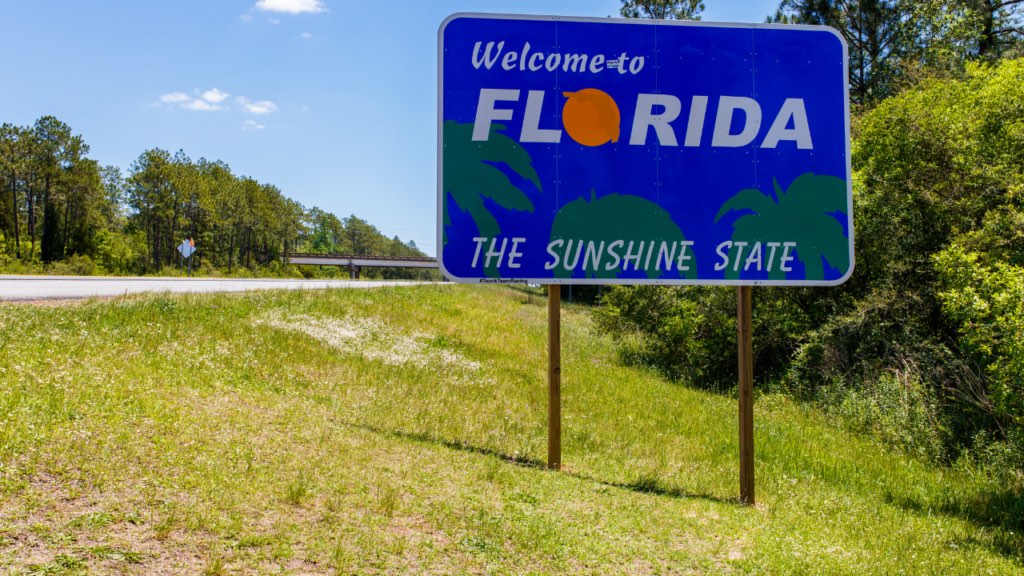
What should you know before moving to Minnesota from Florida? The homes are built for a different climate, so learn the winter features before you tour. Look closely at the furnace, insulation and attic, roof and gutters, basement and sump pump, a radon test, and carbon monoxide alarms near the bedrooms. These are the parts of a Minnesota house that work hardest from November to March.
Which home features matter most in a Minnesota winter?
A home in Florida is designed to keep heat out. A home in Minnesota is designed to keep heat in and handle snow and freezing ground. When you tour, look at these features first.
- Heating system. Most homes use a forced air furnace. Ask its age, its fuel type and when it was last serviced.
- Insulation and attic. Attic insulation and ventilation affect heating bills and how snow melts on the roof.
- Windows and doors. Drafty windows and worn weatherstripping raise heating costs.
- Roof and gutters. Ask the inspector about the roof's age and any signs of ice buildup along the edges.
- Basement and sump pump. Many homes have basements. Check for signs of past water and ask whether a sump pump is present and working.
- Attached garage. It keeps the car out of the snow and makes winter mornings easier.
The Minnesota Department of Commerce publishes a free Home Energy Guide that explains how to cut heating costs and improve a home's efficiency.
Why is radon testing so common in Minnesota?
Radon is a colorless, odorless gas that comes from the soil. The Minnesota Department of Health says the average radon level in Minnesota is more than three times higher than the U.S. level, partly because homes here are closed up or heated most of the year. MDH says more than two in five Minnesota homes have radon levels that pose a significant health risk, and it recommends that every Minnesota home be tested.
Here is how radon fits into a purchase.
- Under the Minnesota Radon Awareness Act, the seller must disclose in writing what they know about radon in the home before a purchase agreement is signed.
- Testing is not required during a sale, but MDH highly recommends it.
- Buyers and sellers can negotiate testing, a mitigation system and who pays.
- MDH recommends a mitigation system when the level is 4 pCi/L or higher.
MDH says radon is the number one cause of lung cancer for non-smokers, and that a radon test is the only way to know how much radon is in a home. Between 2 and 4 pCi/L, MDH says a mitigation system can be considered to lower the level as much as possible. The seller's disclosure also includes a copy of the MDH publication called Radon in Real Estate Transactions, so read it along with any test results the seller provides. Many buyers schedule a radon test during the inspection period.
Where do carbon monoxide alarms go?
A furnace, water heater, gas range or attached garage can all be sources of carbon monoxide. The State Fire Marshal's carbon monoxide guidance places alarms in a dwelling unit within 10 feet of bedrooms, or inside bedrooms that contain fuel-burning appliances. During your final walkthrough, check that alarms are present and working, and test them again after you move in.
What does winter upkeep look like for a new owner?
Owning a home in Minnesota adds a seasonal routine that Florida owners may not have had.
- Fall: service the furnace, clean the gutters, drain and shut off outdoor faucets, and stock up on ice melt.
- Winter: change furnace filters on schedule, keep walkways and the roof edge clear, and watch for frost or ice on windows.
- Spring: check the sump pump, look for water in the basement after the thaw, and inspect the roof.
You will also decide how to clear snow. Some owners buy a snowblower and others hire a plowing service. Both belong in your first-year budget.
How can you check these features during the purchase?
Your inspection period is when you look at the house in detail. Ask your inspector to pay extra attention to the furnace, attic, roof, basement and drainage, and schedule a radon test at the same time. If you are buying from Florida, we can walk the home with you by video during the inspection.
What else should you read before you move?
Each guide in this series covers one part of the move in depth, and the rules apply no matter which state you are leaving.
- moving from Illinois (driver's license and vehicle registration)
- moving from Texas (state income tax basics)
- moving from California (homestead filing)
Our relocating to Minnesota page explains how we help buyers who are purchasing from out of state.
Frequently asked questions
Should I test a Minnesota home for radon before buying?
The Minnesota Department of Health highly recommends testing during a sale and recommends testing every Minnesota home.
What radon level calls for a mitigation system?
MDH recommends a mitigation system at 4 pCi/L or higher, and says one can be considered between 2 and 4 pCi/L.
Where should carbon monoxide alarms be installed?
The State Fire Marshal's guidance places them within 10 feet of bedrooms in a dwelling unit, or inside bedrooms that contain fuel-burning appliances.
Do most Minnesota homes have basements?
Many do, often with a sump pump. An inspector can check for past water and drainage issues.
What questions do you have? Send us a message or call (651) 661-4770. We help buyers relocating to Minnesota plan the move and the purchase together.