2026-08-19 · 4 min read · Minnesota
What Should I Know Before Moving to Minnesota From Texas?
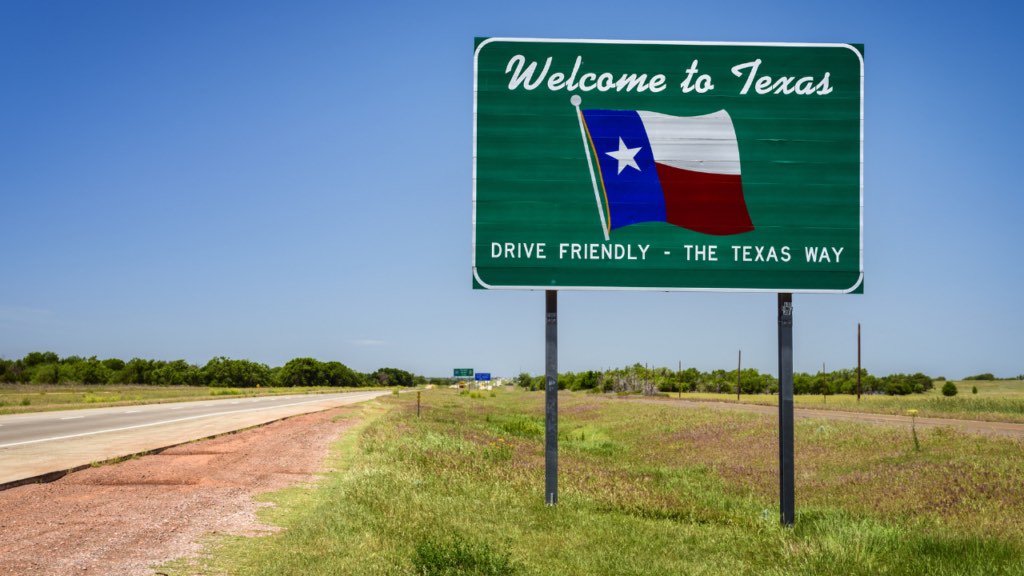
What should you know before moving to Minnesota from Texas? Plan for a state income tax. Minnesota taxes income, and the Minnesota Department of Revenue says people who move here during the year and establish residency are part-year residents. Part-year residents file Form M1 with Schedule M1NR when their Minnesota gross income meets the filing requirement, which was $14,950 for 2025.
Who counts as a part-year resident of Minnesota?
The Minnesota Department of Revenue says you are a part-year resident if either of these applies:
- You moved to or from Minnesota during the tax year and established residency, which the department also calls domicile.
- You spent at least 183 days in Minnesota during the year and rented, owned, occupied or maintained an abode, meaning a residence suitable for year-round use with its own cooking and bathing facilities.
The department adds that if you moved to Minnesota during the year and planned to stay permanently, you are a part-year resident no matter how many days you spent here.
When do you have to file a Minnesota return?
The department says you must file if your Minnesota gross income meets the minimum filing requirement, which it lists as $14,950 for 2025. Part-year residents file Form M1, Individual Income Tax, along with Schedule M1NR, Nonresidents/Part-Year Residents.
The department gives an example of a person who moved to Minnesota for a new job in November 2025 and earned $15,500 here. Because that amount was above the filing requirement, the person had to file, and the tax was based on the percentage of total income earned in Minnesota. A tax professional can tell you how the rules apply to your income and your move date.
How does a state income tax change your budget?
If your paycheck has never had state tax taken out, your Minnesota take-home pay will look different. A few steps help you plan.
- Ask your employer's payroll team to set up Minnesota withholding from your first Minnesota paycheck.
- Base your monthly housing budget on your expected take-home pay, not your gross salary.
- Keep your pay stubs and moving records for the year you relocate, since the part-year return splits income by where it was earned.
- Ask your tax professional whether you need to make estimated payments if you have income without withholding.
Your lender will look at your income, debts and documents to decide what you qualify for. Lenders set those rules, and a lender confirms your eligibility for any loan program.
How does your move date affect your first Minnesota return?
Your move date decides how your first year splits between Texas and Minnesota. The department bases a part-year resident's tax on the share of total income earned in Minnesota, so good records matter. Write down the date you moved, the date you started a Minnesota job and the date you closed on your home, and keep the documents that show each one. If you sell a home in Texas the same year, give your tax professional that closing statement as well.
How do property taxes work in Minnesota?
Property taxes are the other half of the tax picture. In Minnesota, the tax on a home depends on its value, the local levies and whether it is classified as a homestead. The Department of Revenue says homestead may qualify a property for the Homestead Market Value Exclusion or a property tax refund, and that you apply to your county assessor by December 31 to qualify for taxes payable the next year.
Before you write an offer, look at the current tax amount on the listing and ask whether the home is homesteaded now. A home's tax can change after a sale. Your county's property tax page and the Department of Revenue explain the parts of a tax bill.
What other first-year steps should you plan?
- Vehicle registration. Minnesota Driver and Vehicle Services gives new residents 60 days to register a passenger vehicle.
- Driver's license. Drivers over 21 with a valid, unexpired license from another state can usually transfer it without a written or road test.
- Homestead. File with your county after you move in.
- Records. Keep your closing documents, moving receipts and both states' tax records together for the first tax season.
What else should you read before you move?
Each guide in this series covers one part of the move in depth, and the rules apply no matter which state you are leaving.
- moving from Illinois (driver's license and vehicle registration)
- moving from Florida (winter home features)
- moving from California (homestead filing)
Our relocating to Minnesota page explains how we help buyers who are purchasing from out of state.
Frequently asked questions
Does Minnesota have a state income tax?
Yes, Minnesota taxes income. Residents and part-year residents file Form M1 when their income meets the filing requirement.
What form do I file in the year I move to Minnesota?
The Department of Revenue says part-year residents file Form M1 with Schedule M1NR.
What was the Minnesota filing requirement for 2025?
The Department of Revenue lists a minimum filing requirement of $14,950 in Minnesota gross income for 2025.
Am I a part-year resident if I moved in December?
The department says that if you moved here during the year and planned to stay permanently, you are a part-year resident regardless of how many days you spent here.
What questions do you have? Send us a message or call (651) 661-4770. We help buyers relocating to Minnesota plan the move and the purchase together.