2026-06-20 · 4 min read · Minnesota
What Are the Risks of a Fixer-Upper for Immigrant Buyers in MN?
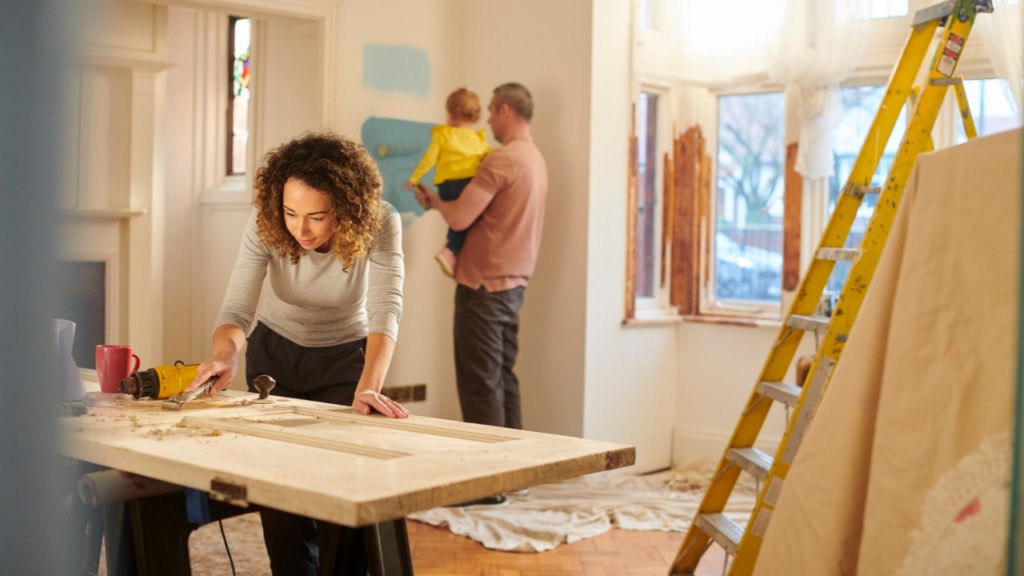
What are the risks of buying a fixer-upper as an immigrant homebuyer in Minnesota? The biggest risks are repairs that cost more than you planned, problems hidden behind walls, work done by unlicensed contractors and running out of cash before the home is livable. A lower price can still be a good buy. The way to protect yourself is to get the facts, the bids and the paperwork before you commit.
What makes a fixer-upper risky?
A fixer-upper is any home that needs work, from paint and flooring to a new roof or foundation repair. Cosmetic work is predictable. Structural and system work is not, because you often cannot see the full problem until a wall or floor is opened.
- Cost overruns. Bids can rise once work starts and contractors find more damage.
- Hidden problems. Water damage, old wiring and failing sewer lines are hard to see on a tour.
- Time. Contractors are busy, materials can be delayed, and work can take months.
- Cash. Many buyers spend their savings on the down payment and closing, then have little left for repairs.
If you send money to family, support relatives here, or have a job with changing hours, a long repair project can put real pressure on your budget. Plan for that before you make an offer.
What should I learn about the home before I offer?
Minnesota law gives you some information up front. Under Minnesota Statutes 513.55, the seller must give a written disclosure of the material facts they know about that could significantly affect an ordinary buyer's use and enjoyment of the home. The Minnesota Department of Health says the seller must also disclose what they know about radon in the home.
A seller only discloses what they know, so a disclosure does not replace an inspection. For a fixer-upper, we usually suggest a general inspection plus specialists for the parts that worry you, such as a sewer line camera, a roofer or a structural engineer.
Our guide on negotiating repairs after an inspection explains what to do with what the inspector finds.
How do I check a contractor before I hire one?
Unlicensed or unpermitted work is one of the most expensive fixer-upper mistakes. It can fail an inspection later and make the home harder to sell.
- Use the Minnesota Department of Labor and Industry license and registration lookup to check a contractor's license and any enforcement actions.
- Get at least two written bids that list the work, the materials and the timeline.
- Ask who pulls the permits, and confirm with the city that they were pulled.
- Keep every contract, receipt and permit in one folder.
That folder is worth money later. When you sell, a buyer and their lender will ask what was done and whether it was permitted.
Can I finance the repairs with my mortgage?
Some loans include repair money. HUD describes two types of FHA 203(k) loans.
- Limited 203(k). HUD says it lets buyers finance up to $75,000 into the mortgage for repairs and improvements.
- Standard 203(k). HUD says it covers major rehabilitation, the repairs must cost at least $5,000, and the total must still fit within the FHA limit for the area.
HUD's process uses a work write-up and bids, and the lender pays contractors in draws after the work is inspected. That process protects you, but it adds steps and time. Some lenders also offer other renovation loans. Lenders and programs set the rules, and your lender confirms which loan fits and what you qualify for.
How much cash should I keep for surprises?
No official number fits every home. Base your cushion on the bids and the inspection findings, and add a buffer for what nobody can see yet. Keep that money separate from your general emergency savings, so a repair surprise does not leave your family without a backup.
You can plan the money you keep once you own the home with our article on emergency savings after closing.
When should I walk away from a fixer-upper?
Walking away is sometimes the right choice. These signs deserve a hard look.
- The inspection finds major structural, foundation or sewer problems you cannot price.
- The repair bids plus the price add up to more than similar updated homes sold for.
- The work would leave you without a working kitchen, bathroom or heat in winter.
- You would need every dollar you have to finish the job.
For a broader checklist, read what to know before buying a fixer-upper in Minnesota.
Frequently asked questions
Is a fixer-upper a good first home?
It can be, if the work is mostly cosmetic and you have cash left after closing. Major repairs add risk for a first-time owner.
Can I live in the home during repairs?
Sometimes. A home without heat, water or a working kitchen may not be livable, and some loans set rules on timing.
How do I know if a contractor is licensed in Minnesota?
The Minnesota Department of Labor and Industry has a free lookup where you can check a license and any enforcement actions.
Does the seller have to tell me about problems?
Minnesota Statutes 513.55 requires a written disclosure of material facts the seller knows about. It does not cover what the seller does not know, so an inspection still matters.
Are you looking at a home that needs work? Send us a message or call (651) 661-4770, and we'll walk through the numbers with you. What questions do you have?