2026-06-20 · 4 min read · Minnesota
What Is It Like Living Near Lakes in Minnesota?
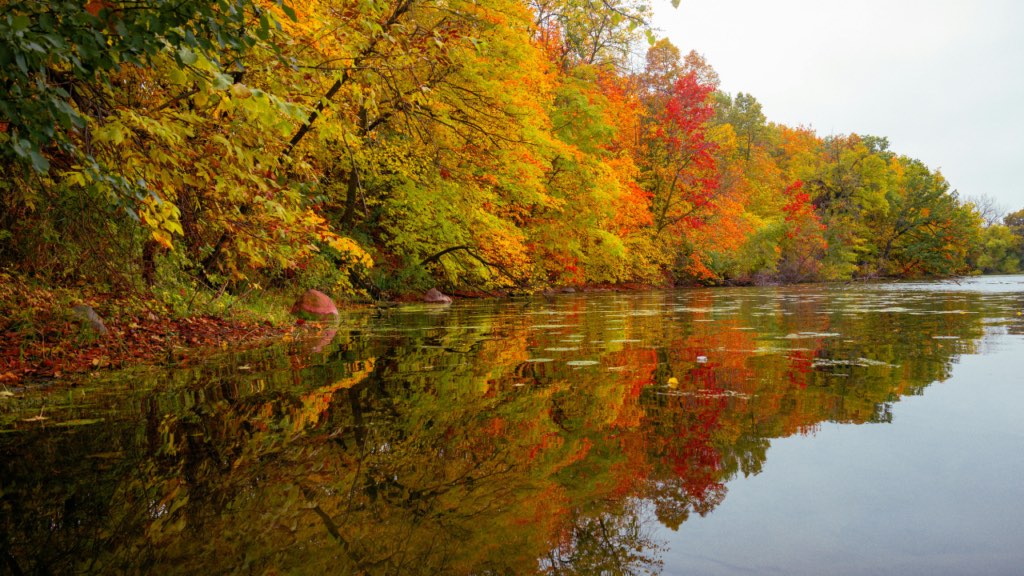
What is it like living near a lake in Minnesota? A home near one of the state's many lakes can put a beach, a lake trail, fishing and boating a short walk or drive away, and the view changes with every season. Living near a lake also brings its own facts to check: public access traffic, water levels, aquatic invasive species rules and, for lakefront homes, shoreland rules. Those facts can vary from lake to lake and from lot to lot.
Are you comparing a lake home with a city neighborhood? Our guide on living near a lake or in a city neighborhood covers shoreland rules and LakeFinder. This article follows a lake through the year and covers what to check about the lake itself.
How many lakes does Minnesota have?
The Minnesota DNR's lakes, rivers and wetlands facts page counts 11,842 lakes of 10 acres or more. Lake Minnetonka, west of Minneapolis, covers 14,004 acres and reaches 113 feet at its deepest point, according to the same page.
Closer to many homes, suburbs are built around smaller lakes. Woodbury kept about 90 percent of its lakeshore as trails and parkland, so true lakefront homes there are rare. Maple Grove's Weaver Lake has an 80-acre community park with a public beach, and Lakeville has a park on Lake Marion with a swimming beach.
What does a year near a lake look like?
- Spring. Ice goes out and the water rises with snowmelt and rain. The DNR shows statewide ice-out conditions in season.
- Summer. Beaches, boat launches and lake trails are busiest. Expect more parking and activity near public access points, especially on weekends and holidays.
- Fall. Docks and lifts come out before freeze-up, and lake trails stay open.
- Winter. Many lakes are covered with ice. Some lakes see ice fishing, skating or trail use on shore.
How close is the home to a public access?
A public boat launch near a home brings trucks and trailers, especially on summer mornings. The DNR's public water access page says public water accesses are open 24 hours a day unless posted otherwise, and that most launch ramps can handle 12 to 18 foot boats.
- Look up the lake in LakeFinder and select Water Access to see where the launches are.
- Drive past the access on a summer Saturday morning.
- Note where trailers park when the lot fills, and check the parking rules on the home's street.
What are aquatic invasive species, and why do they matter to a buyer?
Aquatic invasive species are plants and animals, such as zebra mussels, that spread between lakes on boats, trailers and equipment. The DNR's aquatic invasive species program asks boaters to clean watercraft, drain all water and dispose of unused bait, and it keeps an Infested Waters List. The DNR says about 5 percent of Minnesota's 11,842 lakes are listed as infested with zebra mussels.
For a buyer, this matters in practical ways:
- Check the Infested Waters List for the lake you are considering.
- Ask the seller how they clean and store a dock, lift or boat that moves between lakes.
- Ask whether a lake association treats or surveys the lake, and whether it collects dues.
Do lake levels change?
Lake levels rise and fall with rain, snowmelt and drought. A high year can bring water closer to a yard or a basement, and a low year can leave a dock short of open water. The DNR's water access page has a link for checking water levels.
- Look up the address in the FEMA Flood Map Service Center to see whether any part of the lot sits in a mapped flood zone.
- Ask the seller in writing whether water has entered the basement or yard during high water.
- Ask your insurance agent for a quote early on any lakefront or low-lying home.
What is different about buying lakefront?
A lakefront lot sits on the water, and that adds both rules and upkeep. Under the DNR's shoreland management program, local governments administer shoreland rules for setbacks, lot sizes and shoreline work. Ask the city or county what applies before you plan a deck, an addition or a new dock. Ask whether a dock and lift come with the home, and who installs and removes them each season.
A home across the street from the lake or a short walk away skips most of those rules and still keeps the lake in your routine. We compare both kinds of homes with you in your price range.
How can a lake location affect resale?
Lake access is a fact future buyers weigh in different ways, and lakefront, lake view and a short walk are three different markets. When you sell, we pull recent sales of similar homes on the same lake or nearby lakes. Our market report tracks the wider market, and our Maple Grove page lists that city's lakes and beaches.
Frequently asked questions
How many lakes are in Minnesota?
The Minnesota DNR counts 11,842 lakes of 10 acres or more.
Are public boat launches open at night?
The DNR says public water accesses are open 24 hours a day unless posted otherwise.
How do I know if a lake has zebra mussels?
The DNR keeps an Infested Waters List. Check it for the lake before you buy.
Who sets the rules for building near a lake?
Local governments administer shoreland rules. Ask the city or county about setbacks and shoreline work for the address.
Want help comparing homes near a lake? Send us a message or call (651) 661-4770. What questions do you have?