2026-06-20 · 4 min read · Minnesota
What Is It Like Living Near Walking Trails in Minnesota?
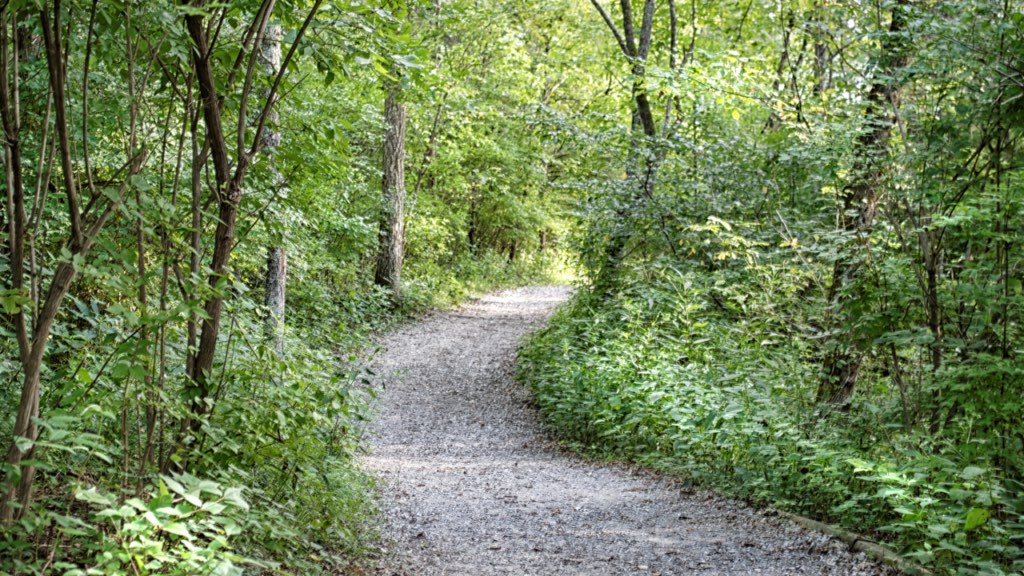
What is it like living near walking trails in Minnesota? Many Twin Cities suburbs have trail systems of 50 to more than 170 miles, so a home near a trail can give you a walk, run or bike ride straight from the door. A trail along the back of a lot also brings people passing the yard, and in some places snowmobiles or cross-country skiers in winter. You can know what to expect by checking the type of trail, who maintains it and where it runs near the property.
Our guide to living near a park in Minnesota covers park edges and park plans. This article looks at the trail itself.
How many miles of trails do the suburbs have?
Trail systems vary a lot by city. Here are figures from our area pages.
- Woodbury: The city has more than 170 miles of multi-use trails.
- Plymouth: The city has 188 miles of city, state and regional trails.
- Eagan: The city has more than 150 miles of trails and sidewalks.
- Brooklyn Park: The city has 120 miles of trails.
- Minnetonka: The city has more than 100 miles of trails, and many follow Minnehaha, Nine Mile and Purgatory creeks.
- Cottage Grove: The city has nearly 100 miles of trails.
- Hastings: The city has about 30 miles of trails along the rivers and bluffs.
Regional and state trails add to those city systems. The Metropolitan Council reports nearly 487 miles of interconnected regional trails in the metro. The Minnesota DNR says there are over 1,500 miles of state trails, from paved bike trails on old railroad grades to natural surface trails.
What kind of trail is near the home?
A "trail nearby" can mean several different things, and each one sits differently next to a home.
- Neighborhood paths. These are short paved links between streets and parks.
- City trail loops. Paved trails around lakes, ponds and parks, used for walking, running and biking.
- Regional trails. These are longer routes across city lines. The 9.9-mile Rush Creek Regional Trail, for example, runs from Mississippi Gateway Regional Park in Brooklyn Park to Elm Creek Park Reserve.
- Natural surface trails. These are dirt or grass paths through woods and wetlands.
- Winter trails. Some trails are groomed for cross-country skiing, and some public land carries snowmobile trails.
Does a trail behind the yard cross the lot?
Some trails run on public land beside a home. Others run across the edge of private lots through an easement. An easement gives the city or a utility the right to use that strip. Before you offer, find out which applies.
- Read the plat and any recorded easements in the title commitment.
- Order a survey if you need to know exactly where the lot line sits.
- Ask the city whether fences, sheds or plantings are allowed near the trail.
- Ask whether the city plans to widen, pave or light the trail.
Who takes care of the trail in winter?
Winter maintenance can vary by trail and by city. Some city trails are plowed for walking. Others are left for skiing, snowshoeing or nothing at all. Ask the city which trails near the address it plows, which it grooms and which it leaves.
Snowmobile trails are worth checking too. The Minnesota DNR says Minnesota has over 22,000 miles of groomed snowmobile trails, and that Grant-in-Aid trails are open December 1 through March 31 when snow conditions allow. The DNR offers an interactive trail map, so you can see whether a snowmobile route runs near a home on the edge of town.
What should I look for when I visit?
Walk the trail section behind or in front of the home at different times.
- Visit early in the morning and in the evening, when trail use is often highest.
- Note how far the trail sits from the windows, the deck and the yard.
- Look for trail lights, benches, parking lots and trailheads nearby.
- Notice what you can see from the trail into the home, and look at existing fences and plantings.
- Check how water drains near the trail, since trails often follow creeks and ponds.
Where does the trail lead?
A trail is most useful when it goes somewhere you want to go. Map the trail from the home to a park, a lake, a library, a store or a transit stop. Woodbury, for example, has kept about 90 percent of its lakeshore as trails and parkland, so many of its trails reach the water. Plymouth's and Eagan's systems mix trails and sidewalks, so a route may switch between the two.
Our area pages for Woodbury and Plymouth list the trail systems and parks by name.
How can a trail affect resale?
A trail beside the home is a fact future buyers will notice, and they weigh it differently. Some buyers look for direct trail access. Others prefer more distance from a busy path. When you sell, we pull recent sales of homes that back to the trail and homes a few lots away, so the numbers show how buyers in that area treated each.
Frequently asked questions
Can I put a fence along a trail behind my yard?
The city and any association set fence rules near trails. Read the rules and the recorded easements before you plan a fence.
Are Minnesota trails plowed in winter?
Each city decides which of its trails to plow, groom or leave. Ask the city about the trails near the address.
How many miles of state trails does Minnesota have?
The Minnesota DNR says there are over 1,500 miles of state trails.
When are Minnesota snowmobile trails open?
The DNR says Grant-in-Aid snowmobile trails are open December 1 through March 31 when snow conditions allow.
Want help finding homes along a trail system? Send us a message or call (651) 661-4770. What questions do you have?