2026-06-12 · 4 min read · Minnesota
How Do I Find Out About New Housing Developments in Minnesota?
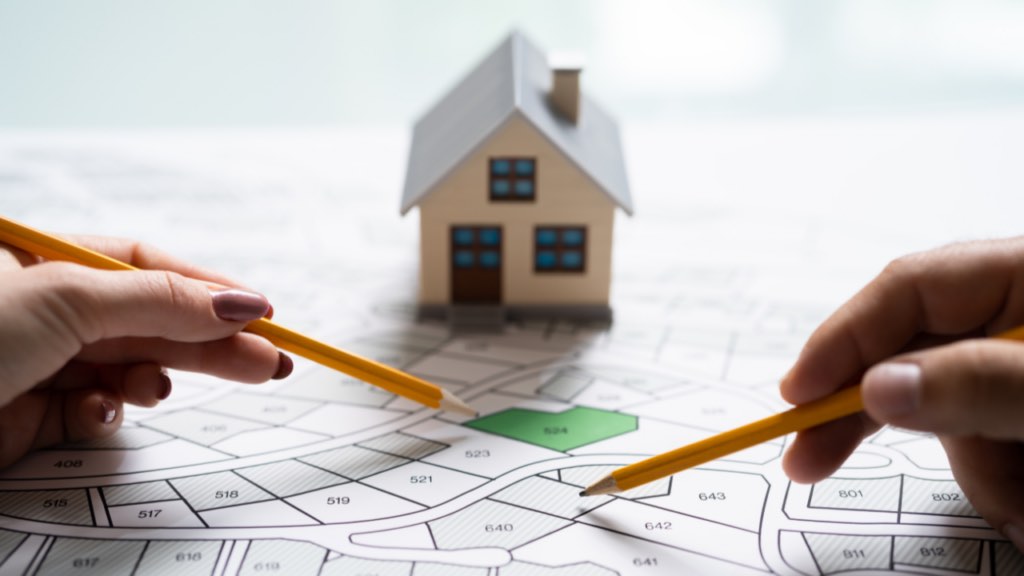
How do you find out about new housing developments in Minnesota? Most new neighborhoods move through public steps at the city before any home is built: a fit with the city's plan, zoning, plat approval and building permits. Each step creates public records you can read. Following those steps tells you what is planned, what is approved and what is under construction.
We share these public facts with buyers. We do not describe areas as better or worse, and we leave the choice of town to you.
What steps does a new development go through?
Each city sets its own process, so the names and order can differ. Many Minnesota cities review a new subdivision in stages like these:
- Comprehensive plan. The city's long-range plan shows which land is guided for homes, businesses or parks.
- Zoning. The zoning map sets what can be built on each parcel. A developer may ask the city to rezone land.
- Preliminary plat. The developer can submit a map of the proposed lots, streets and parks for review.
- Final plat. After approval, the final plat is recorded with the county and creates the legal lots.
- Site work and permits. Streets and utilities go in, and builders pull building permits for each home.
Plans can change at any stage. A proposal on an agenda is not an approved project, and an approved plat can be built in phases over several years.
Where do I find these records?
Most of these records sit on the city's website, and city staff can answer questions about them.
- Meeting agendas. Planning commission and city council packets include staff reports, maps and the developer's plans.
- Project pages. Many cities keep a list of active projects with their status.
- Zoning maps. These show the current zoning of land near a home you like.
- County records. Recorded plats and parcel data appear in the county's property records.
A staff report is often the most useful page in an agenda packet. It usually lists the number of lots, the types of homes, the planned streets and trails, and any conditions the city sets. It also names the city staff contact, who can tell you what happens next and when the next meeting is.
Our article on what public plans show about changes coming to an area covers comprehensive plans, environmental review and road work in more detail.
What do our town pages say about new homes?
Our town pages note how each city has grown. Here are four examples, listed in alphabetical order:
- Bloomington: the city is largely built out, so most homes for sale are existing homes instead of new construction.
- Maple Grove: the city has newer subdivisions and new construction, along with homes, townhomes and condominiums near Arbor Lakes and Main Street.
- Ramsey: the city has newer neighborhoods and townhomes, including those around The COR, where homes, shops and a park sit near each other.
- Woodbury: new construction is still under way in parts of the city.
Read the full facts on our Maple Grove and Woodbury pages. Our article on how to find new construction homes in the Twin Cities lists more cities where building continues.
What should I ask the city about a nearby development?
If a home you like sits near open land or a planned project, these questions help:
- What is the land zoned for today?
- Has anyone applied to develop or rezone it?
- Is a plat approved, and how many phases does it have?
- Are road, sewer or water projects planned nearby?
- Will the project bring special assessments for nearby owners?
City planning staff can answer most of these questions, and the agenda packets often show the answers in writing. Write down the date and the name of the person you spoke with. Plans can change after a public hearing, so check again before you sign a purchase agreement and again before closing.
How does a nearby development affect a home purchase?
A new development can change the traffic on nearby streets, the view from a backyard and the construction noise for a time. It can also add parks, trails or shops. The effect depends on what is built and how close it is.
We check the zoning and any active applications near a home before you make an offer. That way you know what the city has approved, not just what the land looks like today.
If you plan to buy inside the new development itself, the questions change. Our article on what to check in a Minnesota new construction community covers association documents, warranties, lot costs and phase maps.
Frequently asked questions
Where can I see what a Minnesota city has approved?
City council and planning commission agendas and minutes show approvals. Many cities also post a list of active development projects.
What is a plat?
A plat is a map that divides land into lots, streets and parks. The final plat is recorded with the county.
Does an approved plat mean homes will be built soon?
Not always, because developers often build in phases. The timeline depends on the developer and the market.
Can you tell me which new developments are a good buy?
We share public facts, recent sales and costs for any home you consider. You decide which home and which area fit your plans.
Are you curious about a development near a home you like? Send us a message or call (651) 661-4770. What questions do you have?